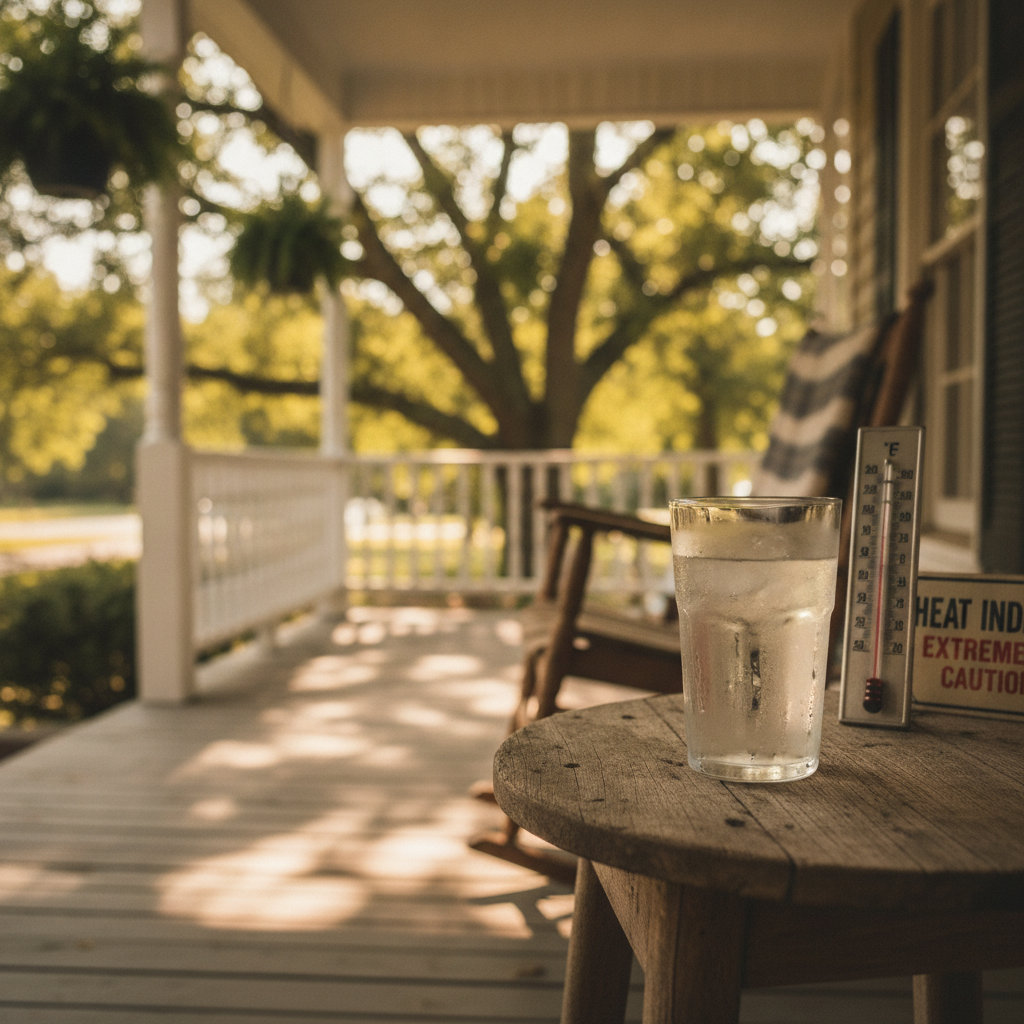
Summer 2026 is tracking hotter than normal across all 50 states. Here’s what everyone needs to know about heat, lawn care, and when it’s simply too dangerous to mow.
Category: blog
Hiring a Neighborhood Teen vs. a Volunteer Program: What Actually Works
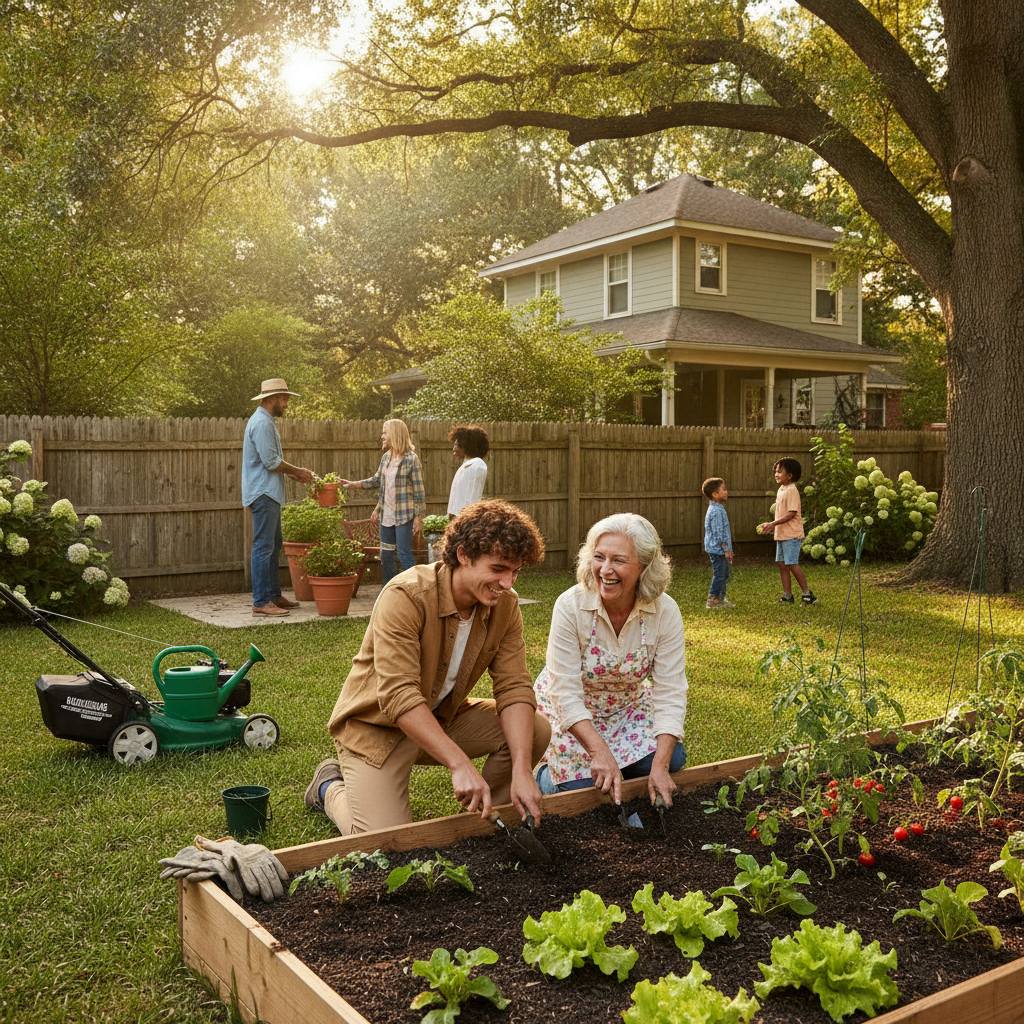
When yard work becomes too much, there are options. Here’s an honest look at hiring a neighborhood teen versus connecting with a volunteer program—and what each approach really means.
From Monoculture to Meadow: Why Native Plants Matter More Than a Perfect Lawn
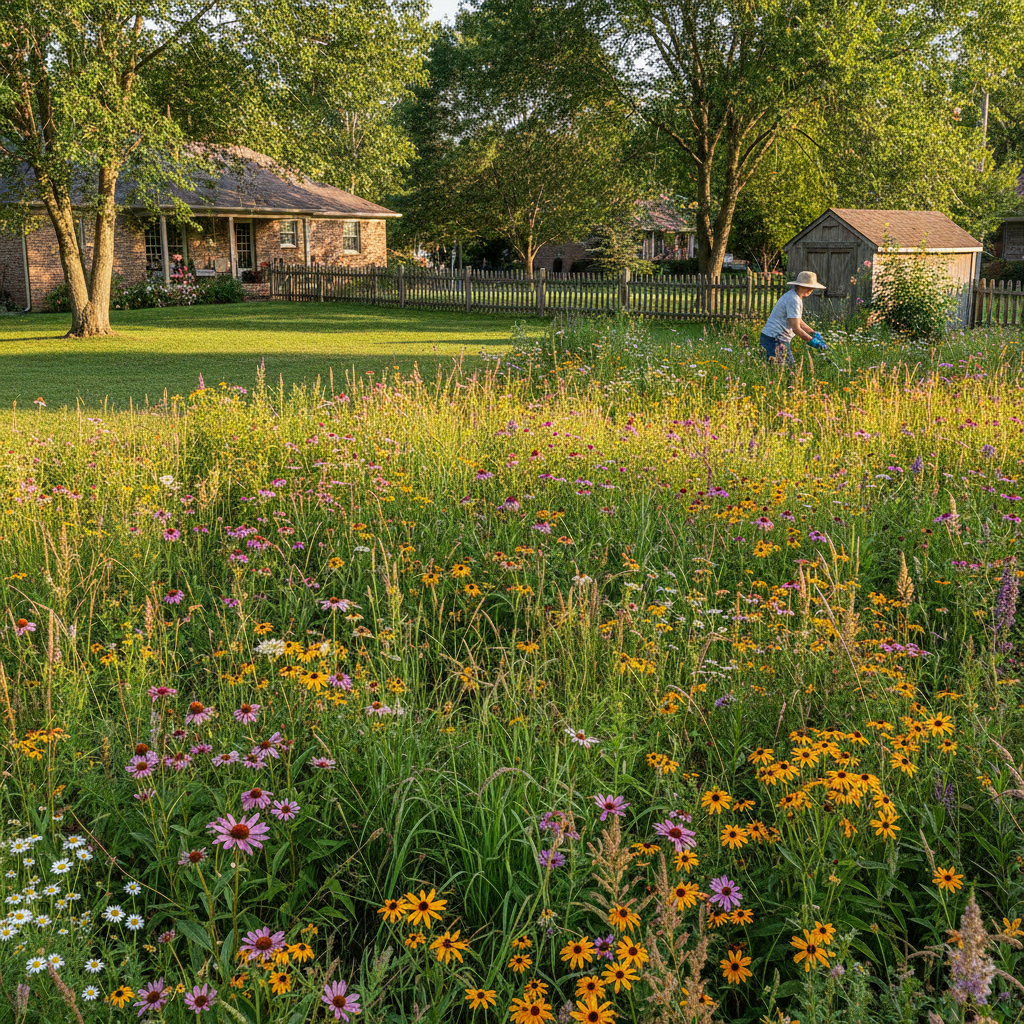
The American lawn costs billions in water, chemicals, and fuel—and provides almost nothing for wildlife. Native plants and no-mow meadows offer a better path forward.
Drought Conditions and Lawn Care: What to Do When Water Restrictions Hit
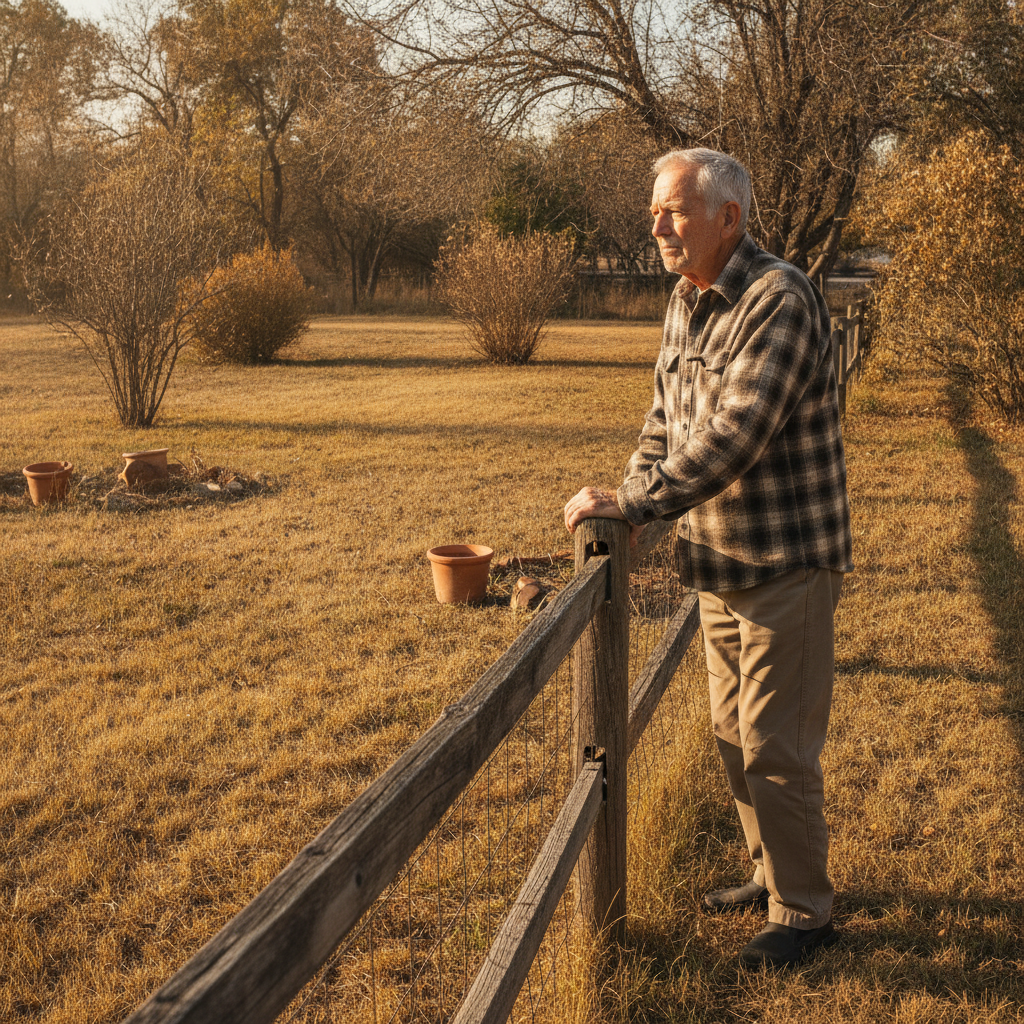
As drought tightens across the country, water restrictions are reshaping lawn care. Here’s what older adults and neighbors need to know—and how to maintain dignity when yard work becomes impossible.
How One Hour of Yard Work a Week Keeps Retirees Active and Connected
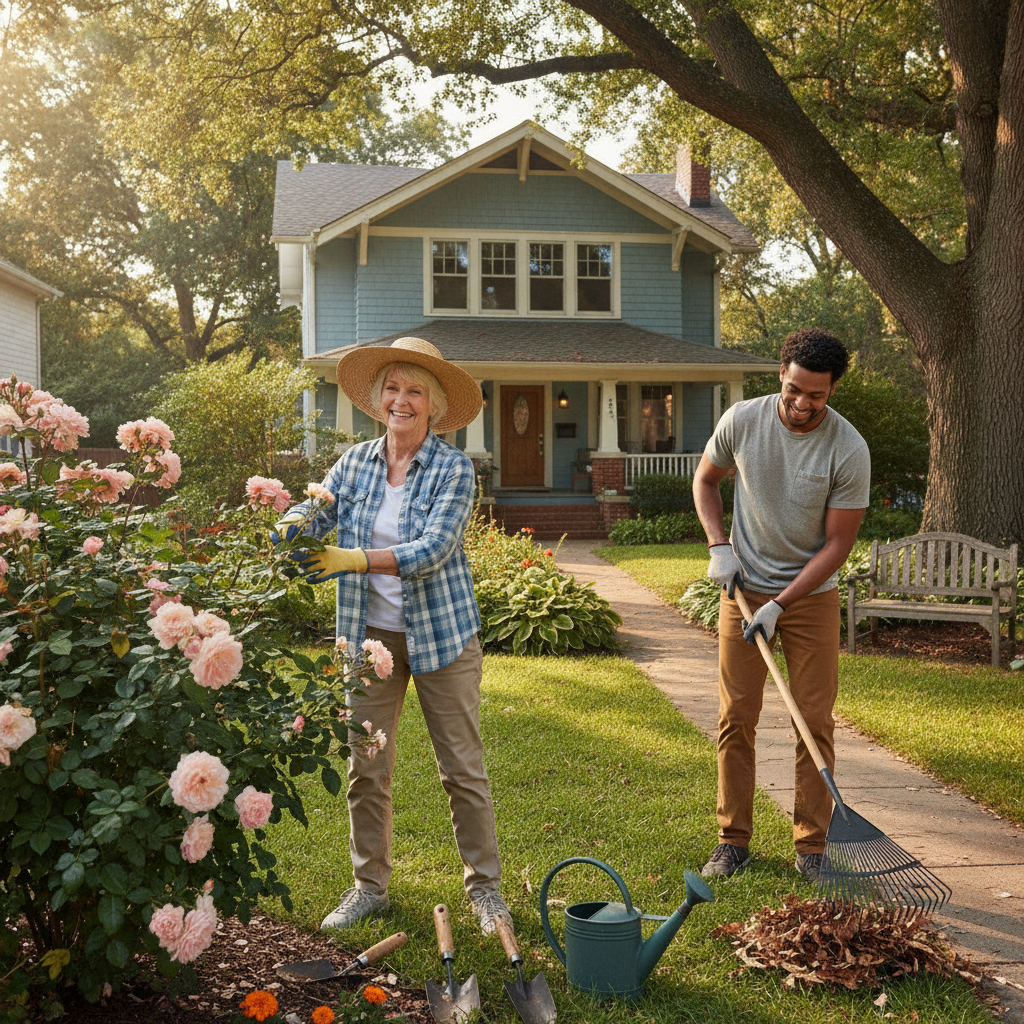
Yard work isn’t just about maintaining a lawn—it’s moderate exercise, mental health support, and a pathway to community connection. Here’s what the research shows about why it matters.
Raised Garden Beds and Accessible Planters: Reclaiming the Joy of Growing
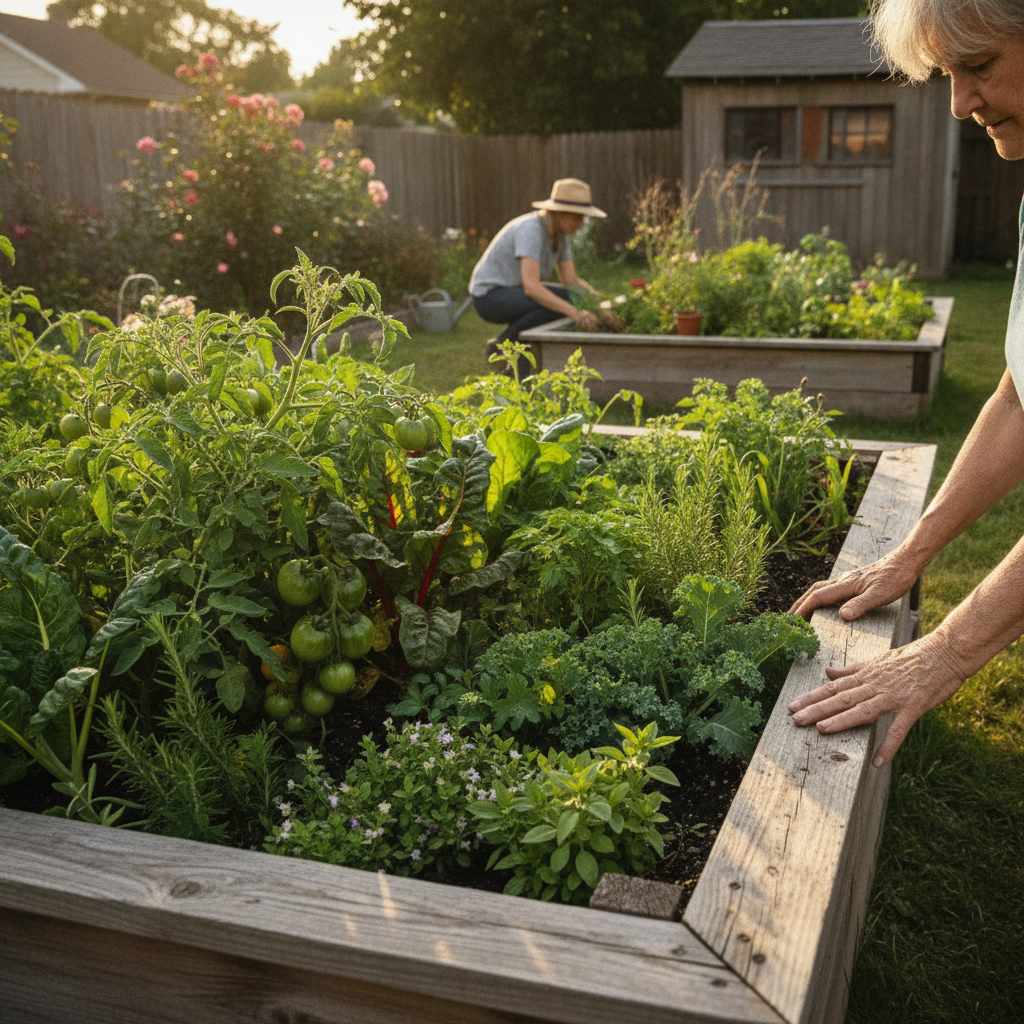
Arthritis, balance concerns, and mobility limits don’t have to mean the end of gardening.
Summer Volunteering with Kids: Building Community One Yard at a Time
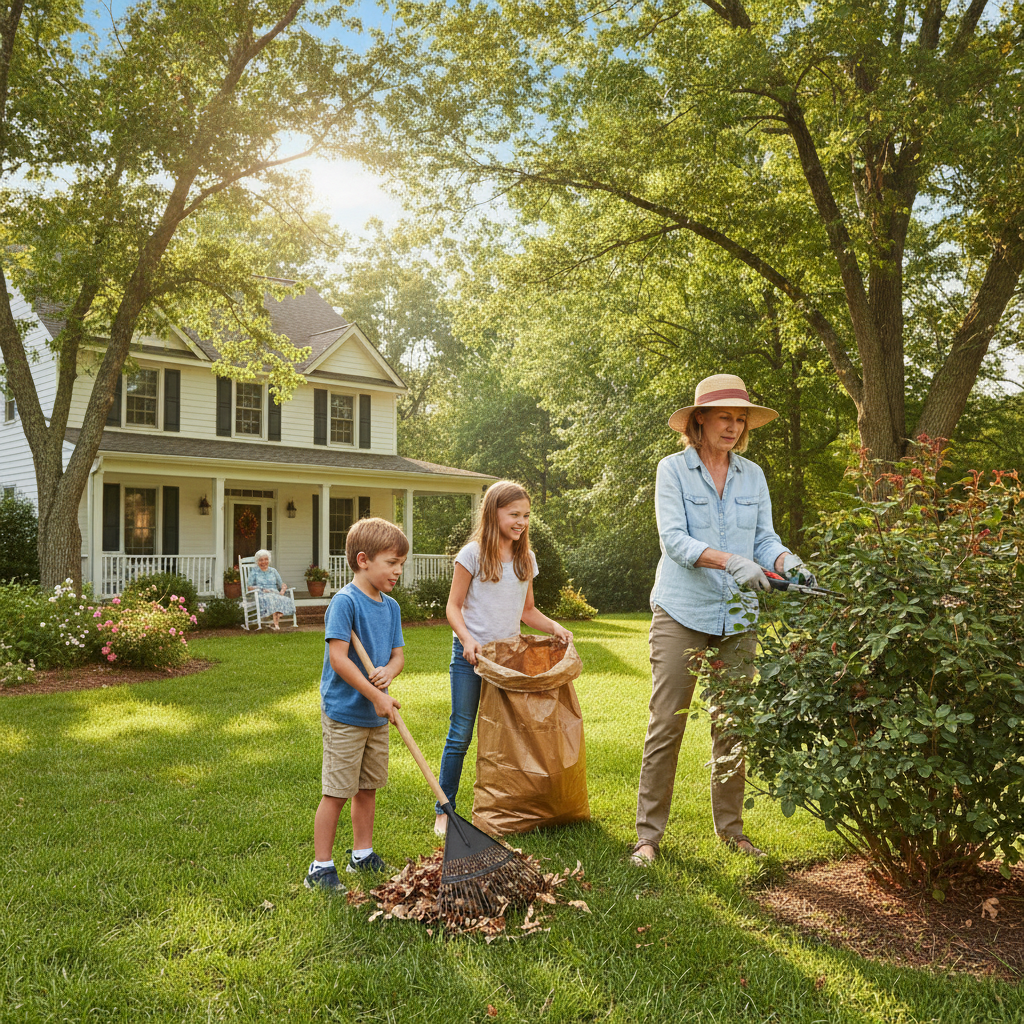
Summer break offers a meaningful way to teach kids about community service. Here’s how families can volunteer together—and why it matters.
When the Thermometer Hits 110: How to Prepare for Safe Summer Yard Work in Extreme Heat
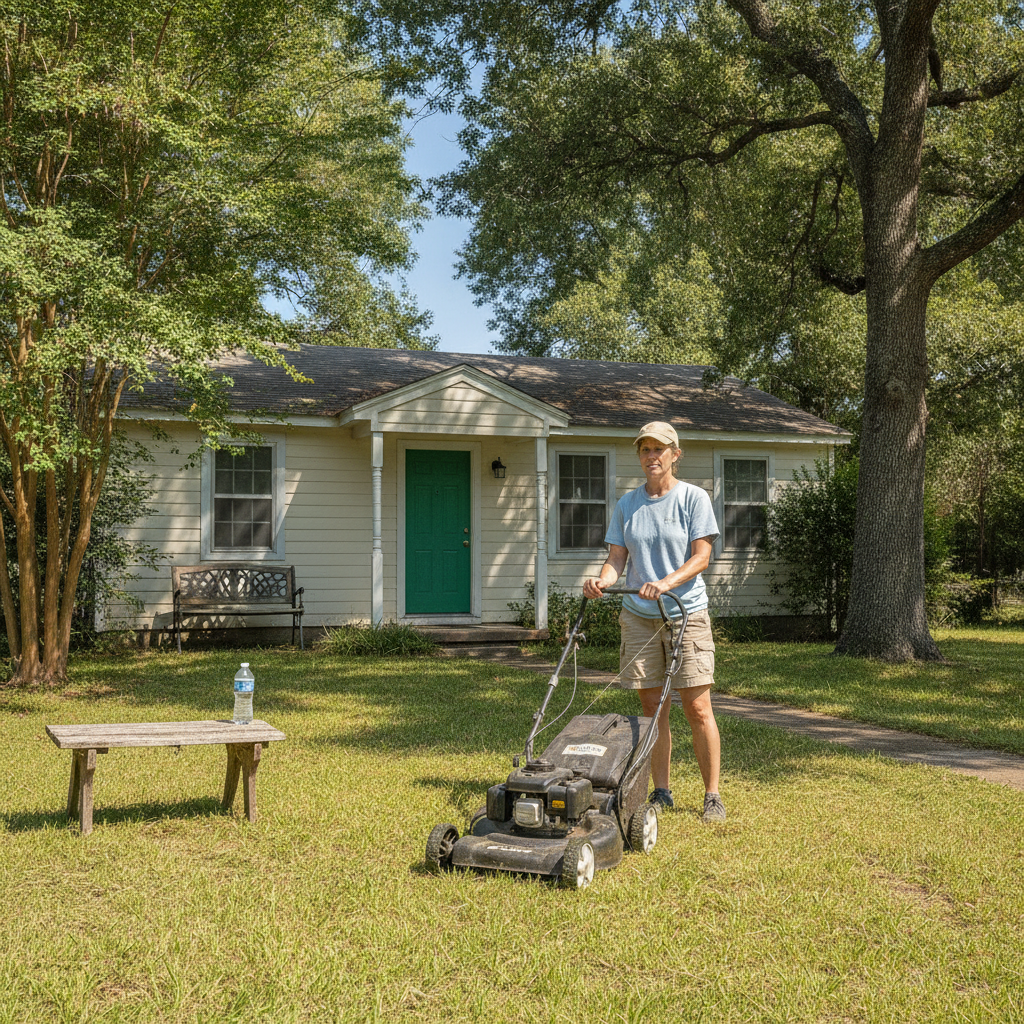
Extreme heat is the deadliest weather threat in America. Here’s what Sun Belt residents need to know about staying safe during outdoor yard work this summer.
Help with an Overgrown Yard: Where to Start When You’re Overwhelmed
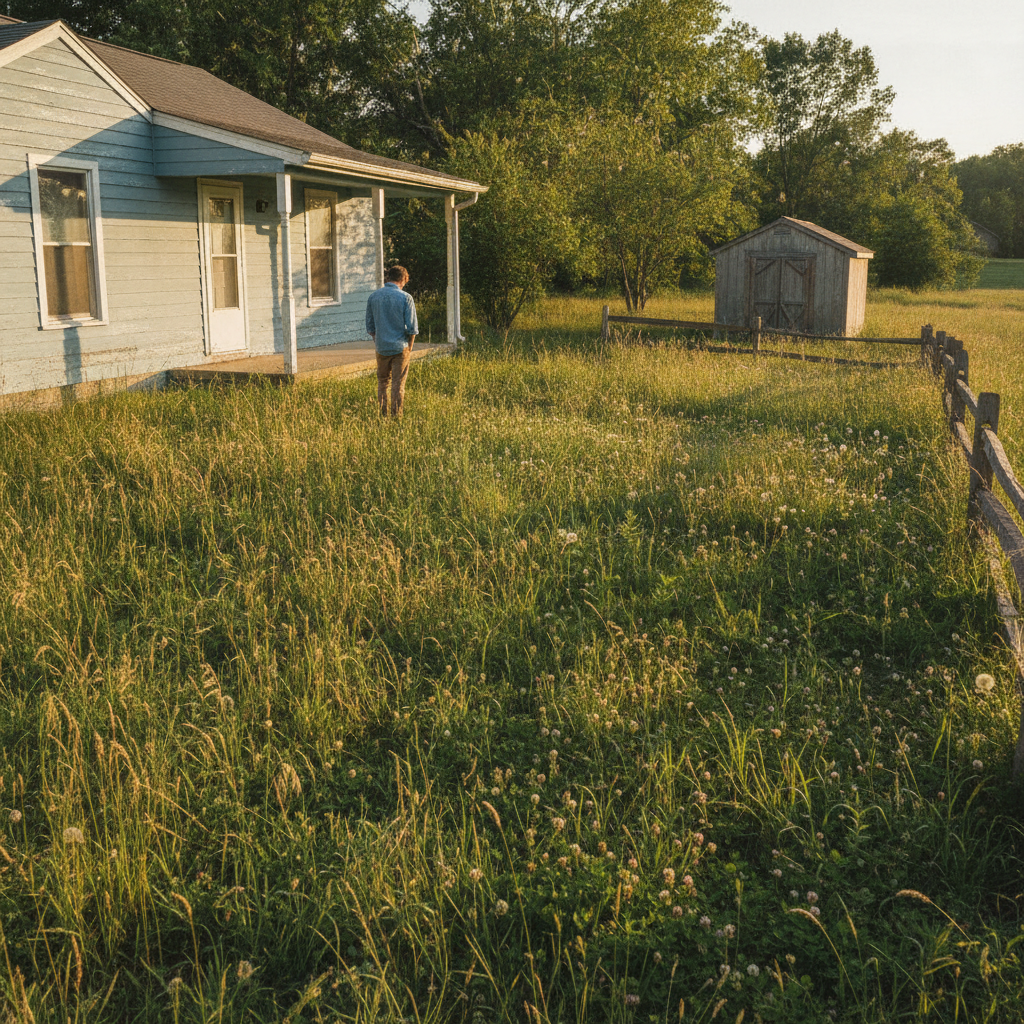
An overgrown yard can feel impossible to tackle alone. Learn practical first steps, understand the real risks, and discover how to access free help.
The Generation That Doesn’t Ask: Why Vietnam-Era Veterans Need Yard Care Help They Won’t Request
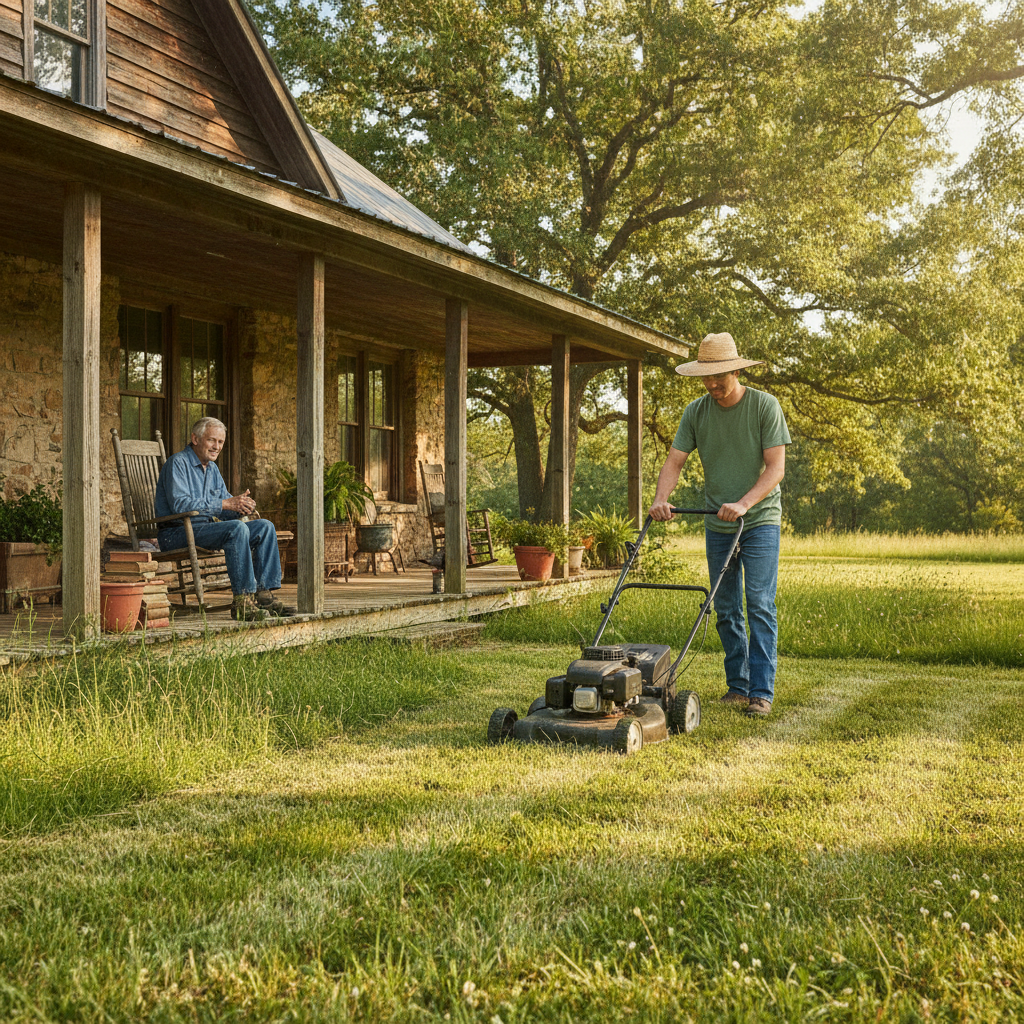
Vietnam-era veterans are aging into a time when yard work becomes dangerous—but their generation was built to handle things alone.