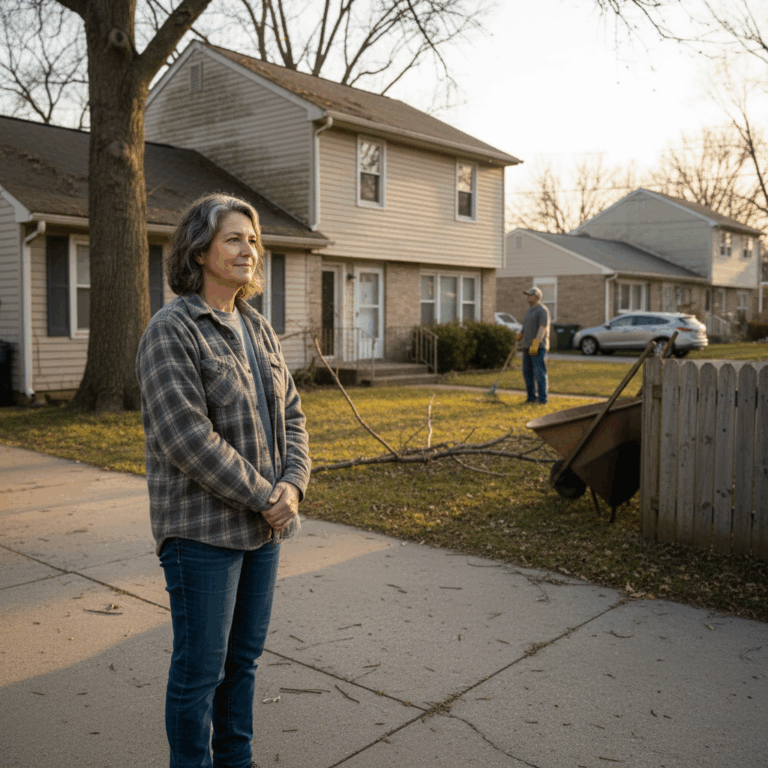
Yard Maintenance Checklist for Caregivers Managing a Parent’s Home
Caregiving for an aging parent touches nearly every corner of life. There’s medication management, meal planning, transportation to appointments, and dozens of conversations about what comes next. In the midst of all this, the yard often becomes an afterthought—until the grass grows too tall to safely mow, branches hang low over the porch, or water pools in corners of the landscape.
For family caregivers, this shift is real and understandable. About 52% of family caregivers regularly help with errands, housework, or home repairs, on top of an average of 25 hours per week devoted to caregiving. The yard becomes one more thing on an already overwhelming list.
But here’s what matters: a neglected yard isn’t just a cosmetic problem. It’s a safety issue that can accelerate a parent’s loss of independence and strain an already stretched caregiver budget.
Why Yard Maintenance Matters More Than It Seems
When an older adult can no longer manage lawn care, it’s often one of the first signals that maintaining independence at home is becoming difficult. About 89% of older adults rank aging in place as important—they want to stay in their homes and communities. But overgrown yards, uneven ground, and poor visibility create hidden dangers.
Falls are the leading cause of injury-related death among adults 65 and older, with over 3.85 million treated in emergency departments annually due to fall-related injuries. A tripping hazard in the yard—an exposed root, overgrown grass, or an uneven walkway—can change everything.
The financial weight is significant too. The average family caregiver spends around $7,200 per year out of pocket on caregiving expenses. Hiring a lawn service on top of that isn’t always feasible, especially when a parent is already managing medical costs.
A Practical Checklist for Caregivers
Managing a parent’s yard doesn’t require becoming a landscaper. It requires awareness and a system. Here’s what caregivers should monitor:
- Grass and lawn height: Mow when grass reaches 3-4 inches. Overgrown grass hides safety hazards and becomes harder to manage.
- Walkways and entry points: Clear debris, fallen branches, and obstacles from pathways. Ensure lighting works at the front door and driveway.
- Drainage and standing water: Check for puddles or pooling water after rain. These invite mosquitoes and create slipping hazards.
- Tree branches and limbs: Look for branches hanging over the roof, porch, or walkway. Dead limbs can fall unexpectedly.
- Deck and patio safety: Check for loose boards, nails, or rotting wood. Ensure railings are secure if your parent uses these spaces regularly.
- Edging and curbs: Overgrown grass and weeds at the perimeter can obscure the edge of a driveway or step, creating a trip risk.
- Visible condition: An unkempt yard can trigger code enforcement visits or neighbor complaints, adding stress when your parent is already vulnerable.
When to Ask for Help
Caregivers often try to do everything themselves, but yard work is physically demanding and sometimes unsafe, especially if a parent has mobility issues or lives on a property with steep terrain.
Consider external support if:
- Your parent can no longer safely use a mower or do yard work
- You’re already stretched thin managing other care tasks
- The yard is becoming visibly neglected despite your best efforts
- Your parent is concerned about their home’s appearance but physically unable to maintain it
Many communities have volunteer-based yard care programs that connect neighbors and volunteers with older adults and veterans who need help. These services are free and designed specifically for situations like this—where a parent needs temporary relief, not a permanent contractor.
The Bigger Picture: Caregiver Burnout Is Real
About 78% of caregivers report experiencing burnout, with stress and anxiety affecting the majority. The yard is just one domain of care, but it’s one that can be addressed with relatively simple help—freeing up mental and physical space for the tasks that only a family caregiver can manage.
Taking care of the yard isn’t about perfection. It’s about safety, dignity, and making sure a parent can stay home as long as it’s feasible and safe to do so. And sometimes that means asking for help.
Getting Started
If a parent’s yard has become unmanageable, start by assessing what matters most: safety, appearance, or both. Then decide whether this is something a family member can handle, whether a paid service makes sense, or whether a free community volunteer program might be a good fit.
Organizations like I Want To Mow Your Lawn connect volunteers across all 50 states with older adults, veterans, and neighbors in need of free yard care. If your parent qualifies, reaching out can be one less thing to worry about—and one more way to help them stay safe and independent at home.
Caregiving is hard. It doesn’t have to include managing the yard alone.
Downloadable Template