
Overwhelmed by yard work? Break it into 30 manageable daily tasks. Small actions build momentum, reduce burnout, and transform outdoor spaces one day at a time.
Category: blog
The Gap Between Need and Help: Why Thousands of Yard Care Requests Go Unfilled

Across America, older adults and veterans who need yard help are waiting. Here’s why the volunteer gap exists—and what it means for communities.
Code Enforcement and Compassion: A Path Forward When Yards Fall Behind
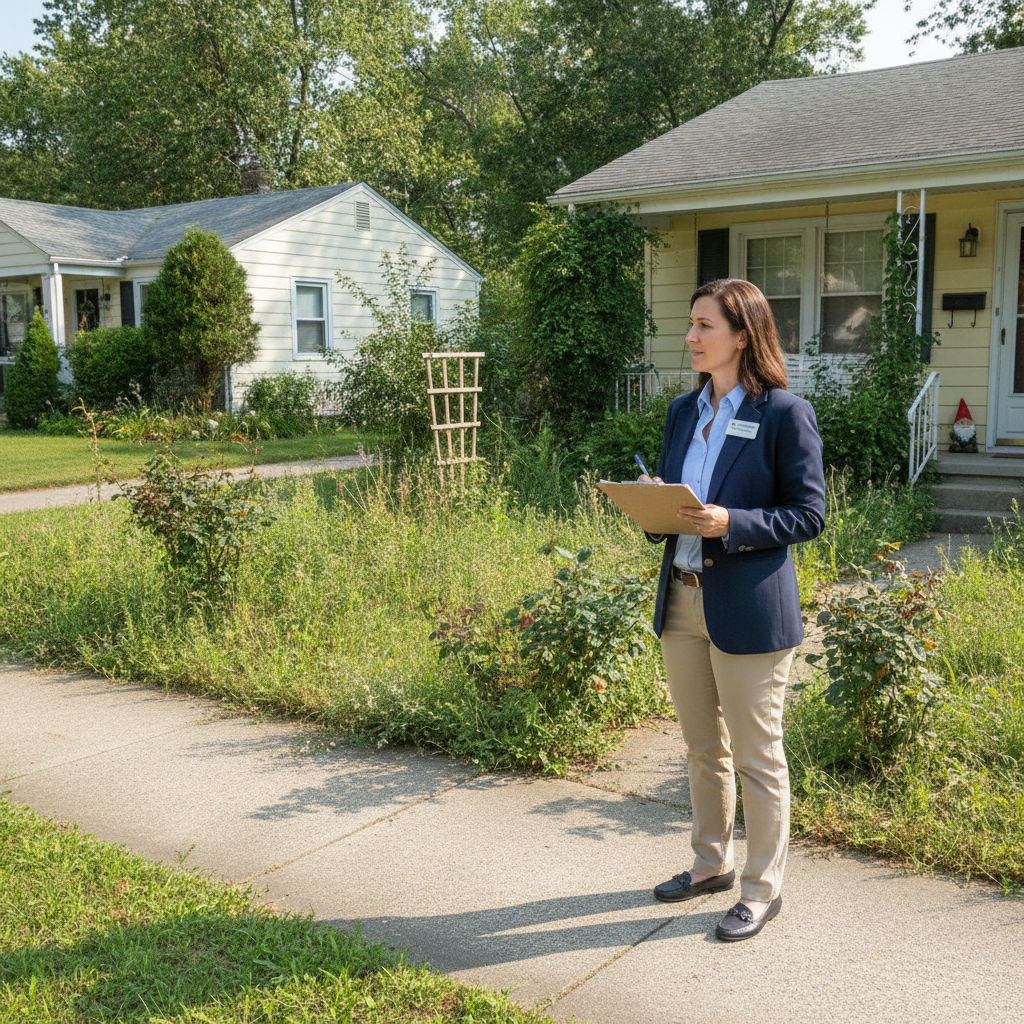
Municipal code officers can connect older adults with free yard care before issuing violations. Here’s how enforcement and empathy work together.
The Quiet Signs: When a Neighbor’s Yard Tells a Bigger Story

A neglected yard often signals something deeper. Here’s how to recognize when a neighbor might need help—and how to reach out with care.
When the Heat Index Climbs: A Family Guide to Talking with Older Adults About Lawn Care
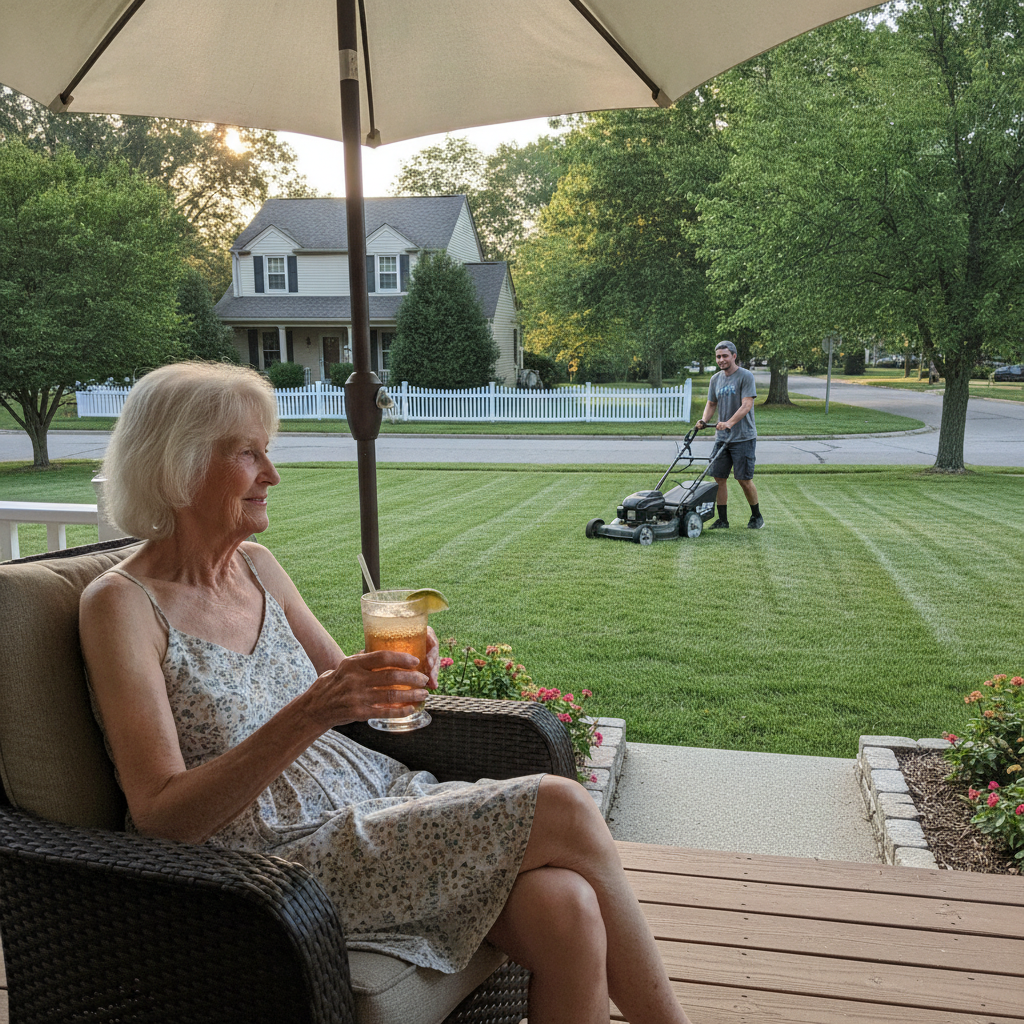
Extreme heat poses real risks for older adults who still mow their own lawn. Here’s how to start a caring conversation and know when to step in.
Overgrown Yard and Code Enforcement: A Family Guide to Getting Help Before Fines
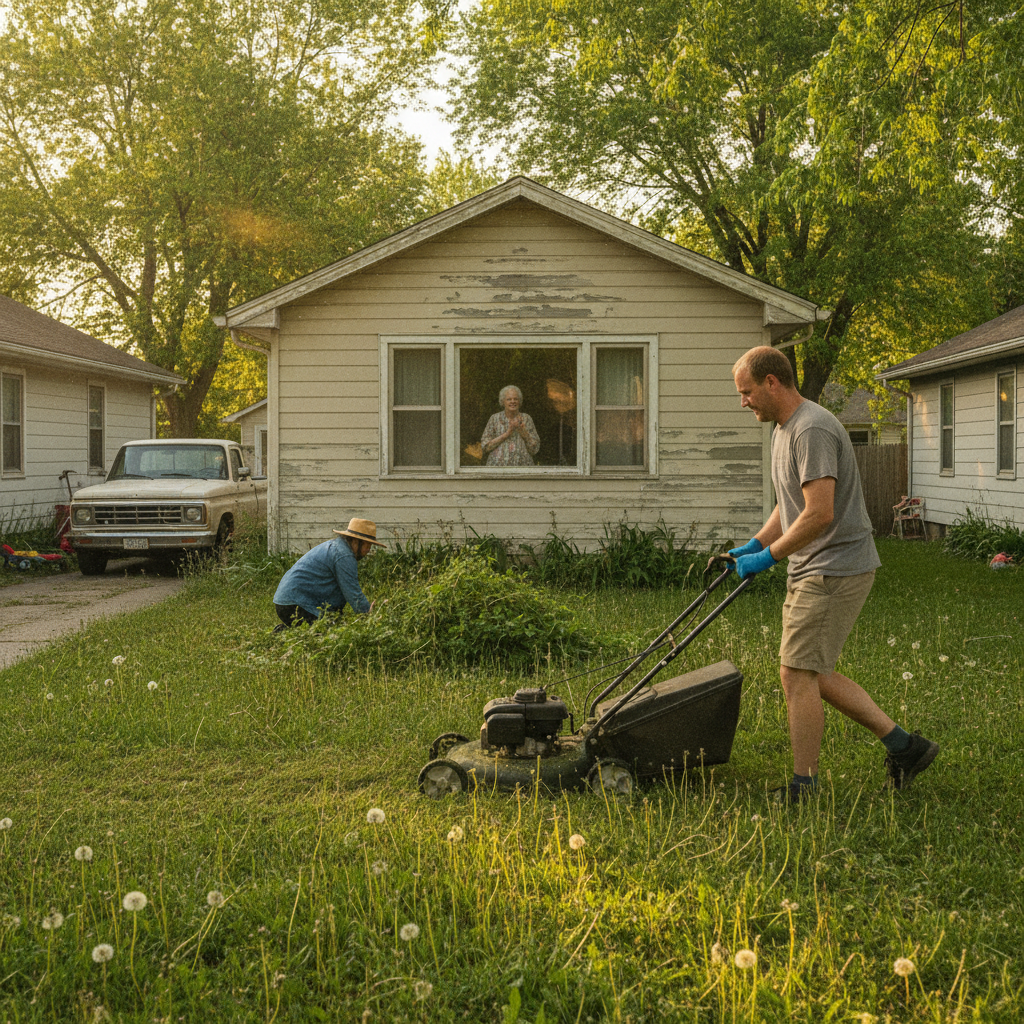
Code violations escalate fast—sometimes $100+ per day. Learn how to recognize the warning signs, understand local rules, and find free help before fines pile up.
The Healing Power of Yard Work: How Outdoor Care Supports Veteran Mental Health
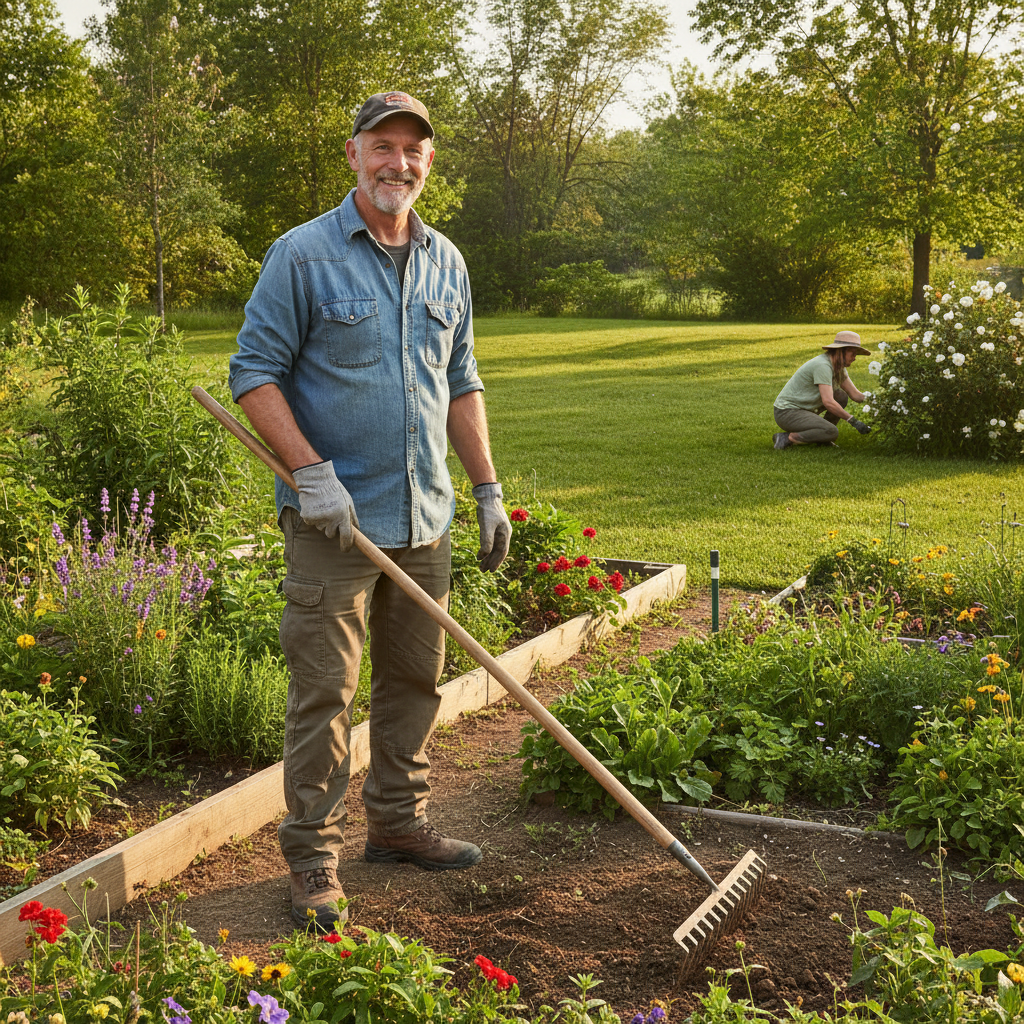
Yard work offers more than lawn maintenance for veterans. Discover how outdoor care reduces stress, builds community, and supports recovery from PTSD and isolation.
Late Summer Lawn Recovery: What Grass Really Needs Right Now
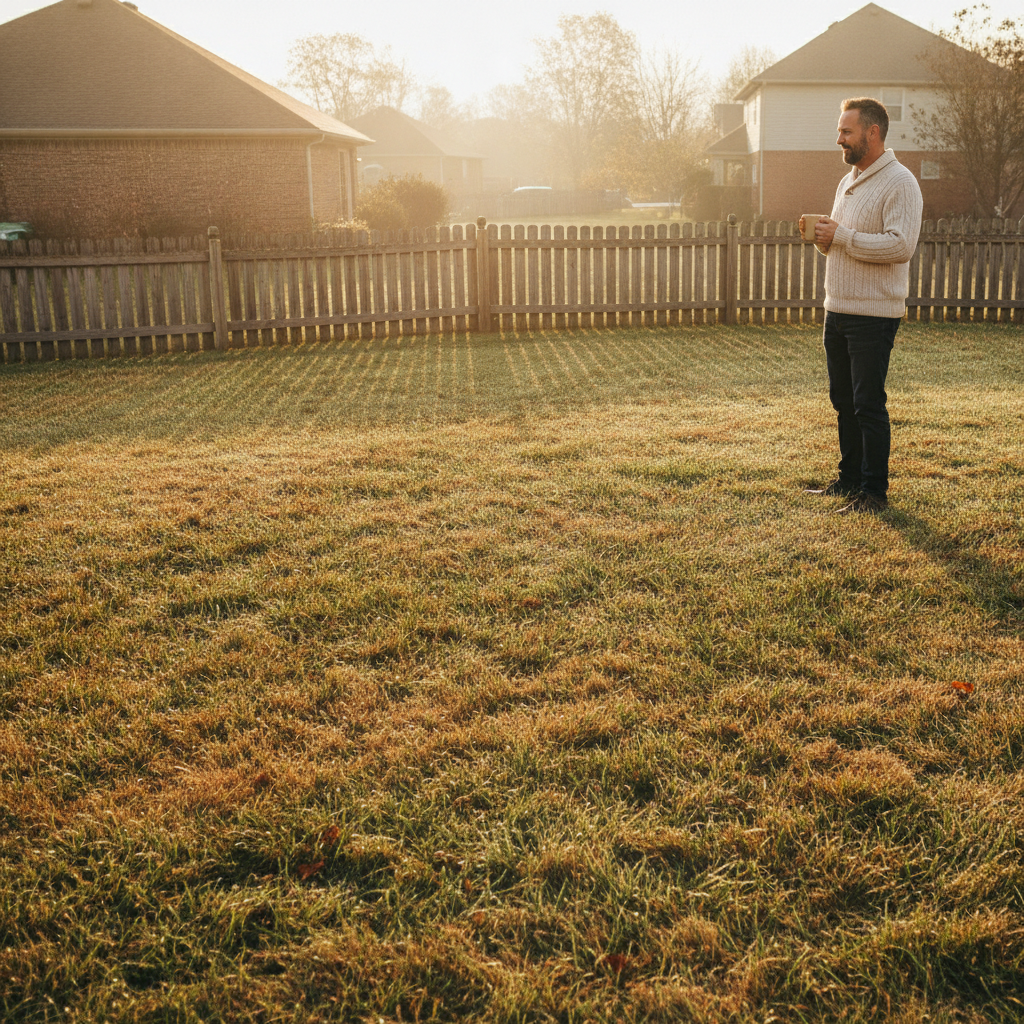
As heat peaks across the U.S., lawns enter survival mode. Here’s what’s actually happening beneath the surface—and how to help them recover without causing more stress.
Measuring ROI on Corporate Volunteer Days: What the Data Says
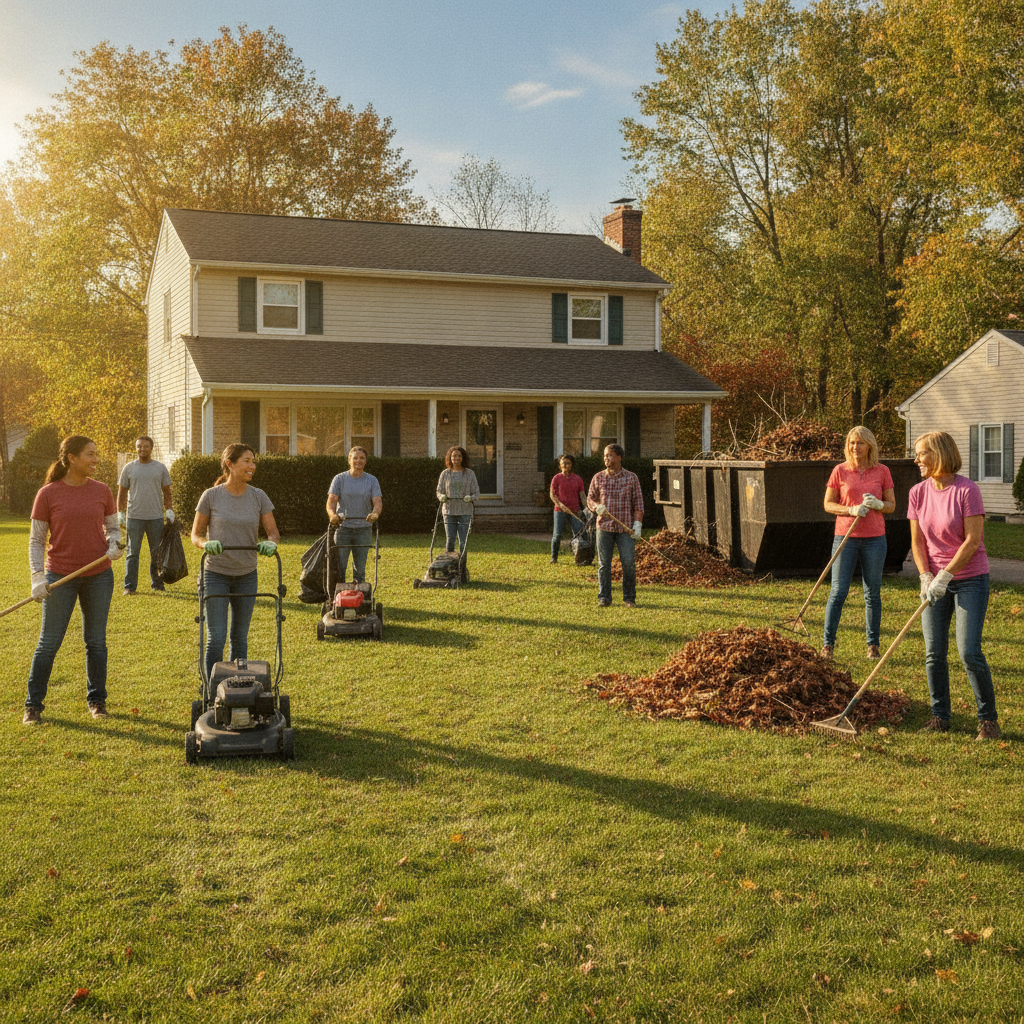
Corporate volunteer programs deliver real economic value and measurable business returns. Here’s what the 2025–2026 data reveals about impact, retention, and community benefit.
Before You Volunteer: How to Research a Nonprofit and Know It’s Legitimate

Volunteering is powerful—but it matters where the effort goes.