Spring Timing Isn’t One-Size-Fits-All
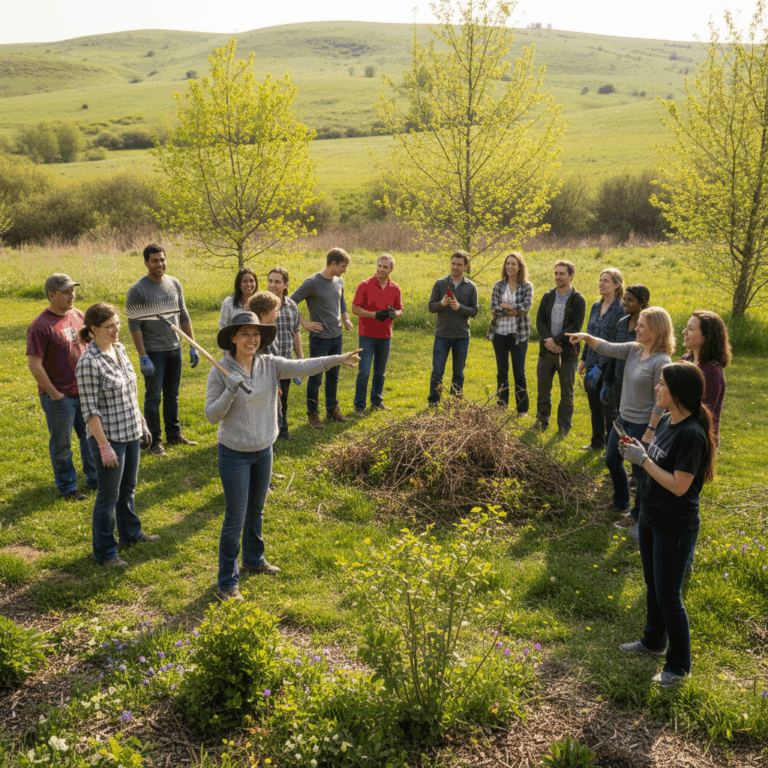
A volunteer mowing a yard in Ohio in mid-May sees grass ready for its first cut. A volunteer in Arizona finished their spring lawn work weeks earlier. A neighbor in Vermont is still watching for the last frost before planning a garden. Same calendar date. Different realities.
The difference? Geography—and understanding the tools that map it. For anyone managing yard work across different regions, or helping neighbors prepare their outdoor spaces for the season, knowing USDA hardiness zones and frost dates isn’t just helpful. It’s the foundation of smart, safe spring preparation.
Understanding the USDA Plant Hardiness Zone Map
The USDA Plant Hardiness Zone Map is a geographic guide that tells gardeners and yard managers which plants can survive the winter in their area. It divides the United States into 13 zones based on average annual extreme minimum winter temperatures. Each zone spans 10 degrees Fahrenheit, and many are further divided into “a” and “b” sub-zones for more precision.
In November 2023, the USDA released an updated version of this map—the first update in more than a decade. The new map is based on 30-year temperature averages from 13,412 weather stations—nearly double the data points from the previous 2012 version. This means the 2023 map reflects current climate realities more accurately than ever before.
Why does climate matter? The average temperature in 2023 was 2.5 degrees Fahrenheit warmer than in 2012. As a result, about half the U.S.—mainly in the Midwest and Northeast—has moved into the next warmer half zone. That shift affects which perennials and shrubs can survive winter in those areas.
To find your zone, visit the official interactive USDA Plant Hardiness Zone Map and search by ZIP code. It takes 30 seconds and offers clarity for any spring planning.
Here’s the Critical Distinction: Zones ≠ Frost Dates
Many people conflate these two concepts, but they measure different things—and that confusion can lead to poor timing decisions.
Hardiness zones tell you which plants survive winter in your area. A Zone 6b gardener and a Zone 6b gardener in two different states will have the same cold tolerance range for perennials and shrubs.
Frost dates tell you when the last spring frost typically occurs and when the first fall frost arrives—critical for timing annual plantings, seeds, and tender vegetables. A Zone 6b gardener in Ohio and a Zone 6b gardener in Washington State might have last frost dates that differ by more than 60 days.
For spring yard prep, hardiness zones help with shrub and perennial selection, while frost dates control when to plant annuals, vegetables, and tender plants. Both matter. Neither replaces the other.
To find your area’s frost dates, use The Old Farmer’s Almanac frost date calculator, which accepts ZIP codes. For 2026 specifically, the Almanac has released a 2026 Last Frost Date Map that forecasts whether spring frost will arrive earlier, later, or on time compared to the historical average.
The Three Lawn Zones: Cool, Warm, and In-Between
Lawn grass types also follow geographic zones. The United States is divided into three turfgrass regions:
- Cool-season lawn zone: The North, including states like Minnesota, Wisconsin, New York, Pennsylvania, and Colorado. Grass thrives in spring and fall, slows in summer heat.
- Warm-season lawn zone: The South, including Florida, Georgia, Texas, Arizona, and Southern California. Grass thrives in summer and stays green year-round in many areas.
- Transition zone: A middle band stretching through Tennessee, Kentucky, Oklahoma, North Carolina, and parts of Virginia and Arkansas. Both cool- and warm-season grasses can grow here, but neither thrives perfectly, requiring careful selection and management.
The grass type in your region determines your mowing schedule and spring care priorities. Cool-season grasses need attention in spring and fall. Warm-season grasses wake up later in spring and need care in late spring and summer. Transition zone lawns require a more nuanced approach.
Practical Spring Prep by Zone
Cool-season zones (North): Spring arrives earlier. Plan to start mowing in April, begin fertilizing in early spring, and overseed thin patches before summer heat. Frost dates typically fall in late April to mid-May, so wait until after that window to plant tender annuals and vegetables.
Warm-season zones (South): Spring prep happens earlier. Begin mowing and fertilizing in late February and March. Tender plantings can go in as early as February in some areas. Frost dates are typically in January to early March, or absent entirely in the warmest areas.
Transition zones: Timing is trickier. Work with local extension resources to determine whether your area leans cooler or warmer, and adjust spring prep timing accordingly. Late frosts can surprise transition zone gardeners, so caution is wise.
Why This Matters for Neighbors and Volunteers
I Want To Mow Your Lawn (IWTMYL) connects 1,800+ volunteers across all 50 states with older adults, veterans, and neighbors who need free yard care help. Volunteers working across different regions benefit from understanding local timing.
An older adult who can no longer manage yard work may rely on volunteer help to keep their lawn and garden safe and healthy. That volunteer—a neighbor with good intentions—needs to know when to start, what to plant where, and when frost poses a risk. Hardiness zones and frost dates provide that roadmap.
Similarly, neighbors planning to help with spring yard prep for a veteran or another community member should research the local zone and frost dates before offering advice. It builds confidence and prevents wasted effort.
A Simple Starting Point
Before spring yard work begins, spend five minutes on two resources:
- Find your USDA hardiness zone by ZIP code.
- Find your last frost date by ZIP code.
Write both down. Share them with anyone helping with yard prep. The clarity pays dividends all season long—safer decisions, better timing, and healthier yards.
If spring yard work feels overwhelming or if physical limitations make it impossible, that’s where community help matters most. Volunteers with I Want To Mow Your Lawn are ready to help neighbors across all 50 states. For those looking to pitch in, the MOW app makes it simple to find opportunities nearby and connect with neighbors in need.
Printable Guide