
As parents age, lawn care becomes harder—and riskier. Here’s how to start the conversation, adjust expectations, and find sustainable relief.
Month: April 2026
What Neighbors Should Know Before Reporting an Overgrown Yard
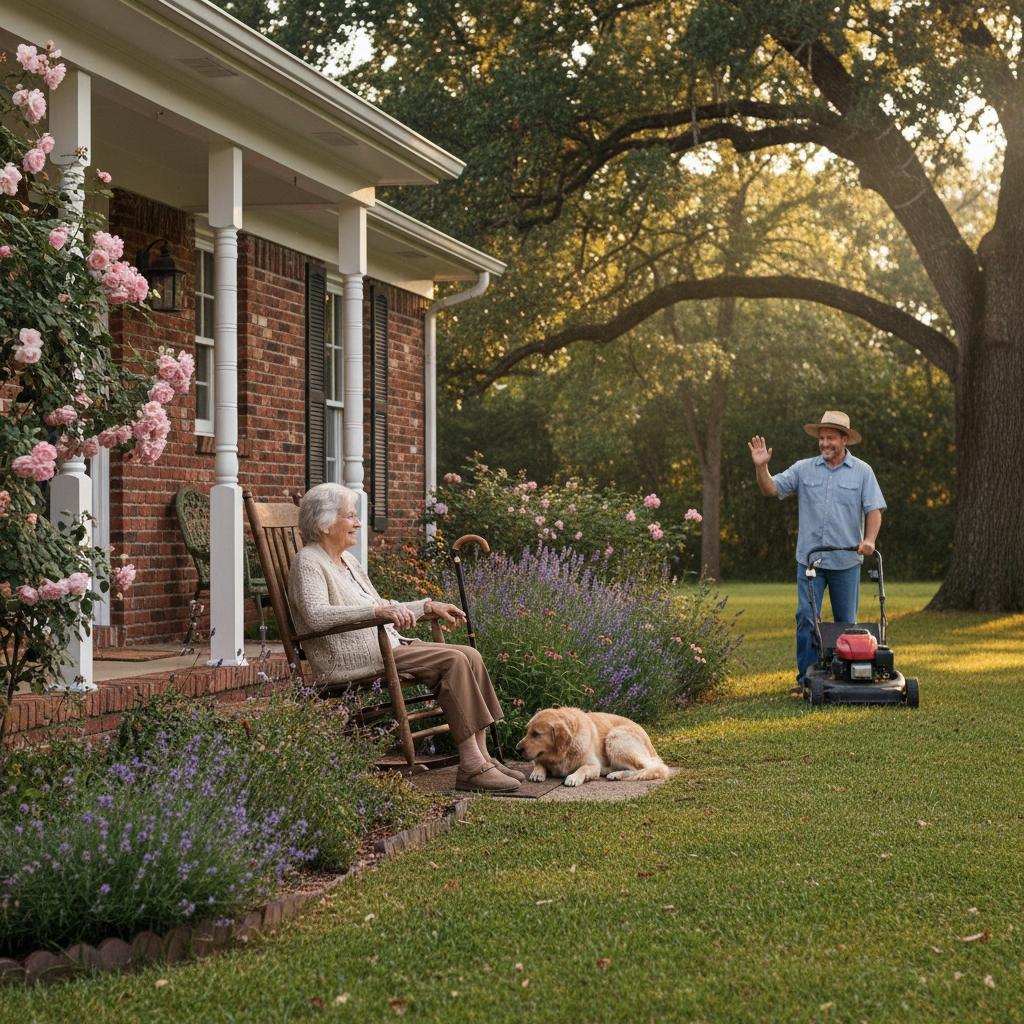
Before filing a code complaint about a neighbor’s lawn, understand how enforcement works—and why a conversation might prevent fines, liens, and costly city intervention.
Lawn Mower Safety: The Injuries Emergency Rooms See Every Spring
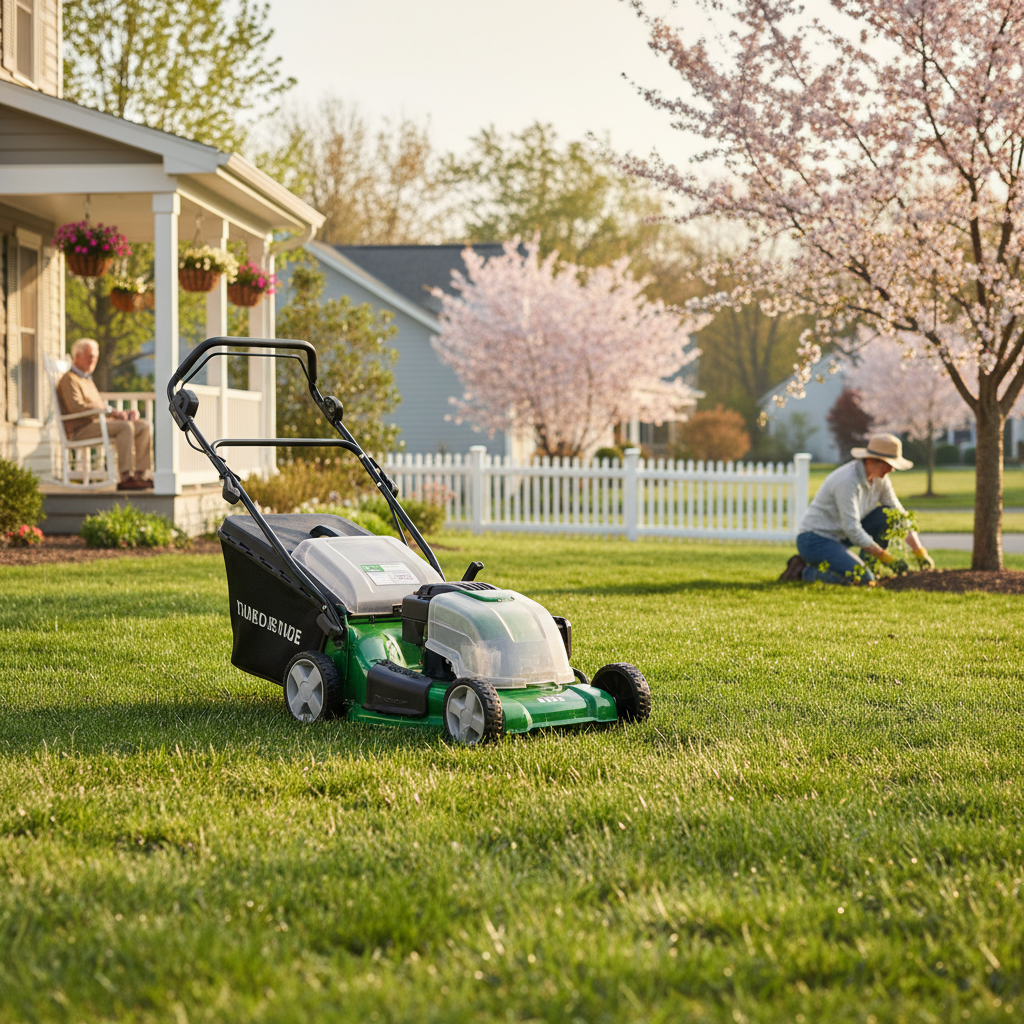
Every spring, emergency rooms fill with preventable lawn mower injuries. Here’s what the data reveals—and how to protect neighbors who mow.
The Best Time of Day to Mow: Why Timing Matters for Grass Health, Noise, and Safety
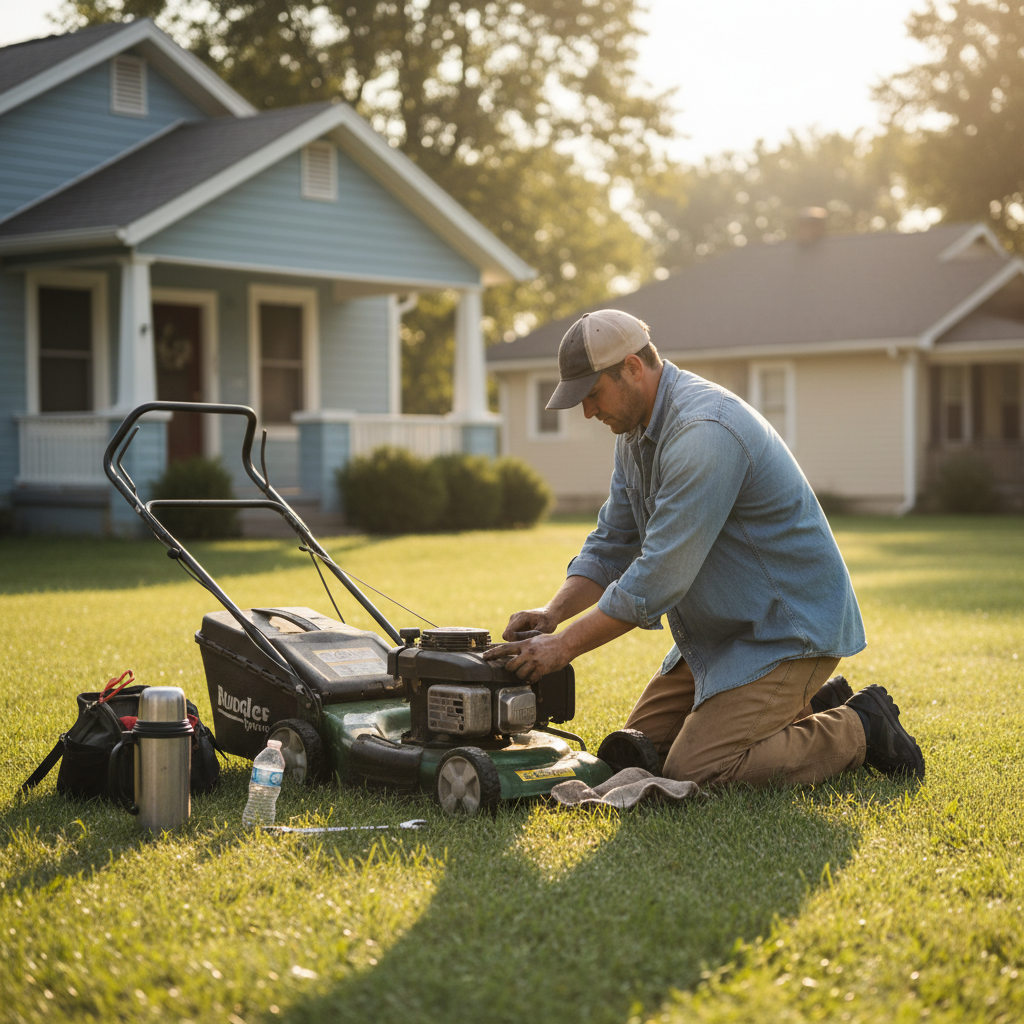
Mowing at the right time protects grass health, respects neighbors, and keeps volunteers safe. Here’s what the science says about morning, afternoon, and evening lawn care.
Why the Hardest Part of Running a Volunteer Yard Care Program Isn’t the Mowing
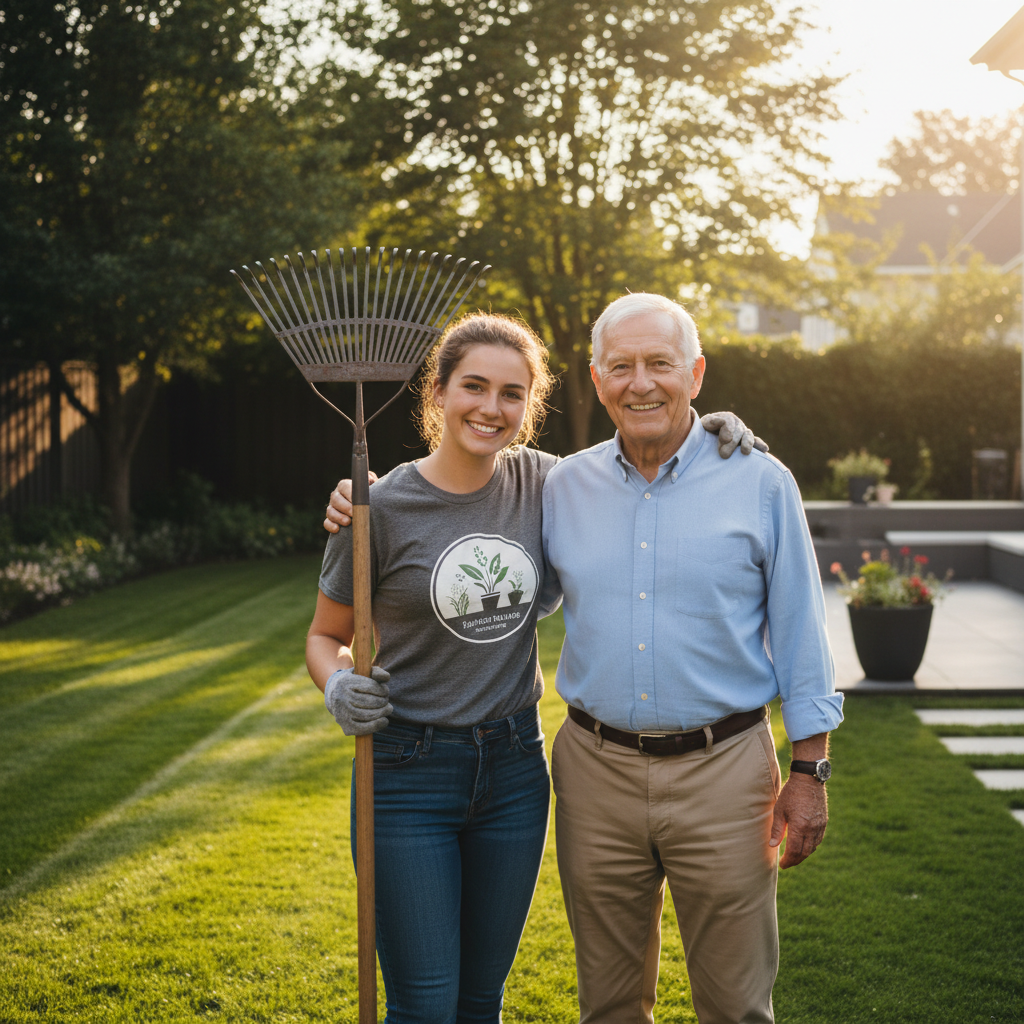
Mowing is straightforward. The real challenge? Connecting the right volunteers with neighbors who need help, keeping them engaged, and building trust. Here’s what IWTMYL has learned.
Winter Yard Safety Audit: The 15-Minute Walkthrough Every Caregiver Should Do

Spring thaw brings hidden outdoor hazards. Learn how to spot and fix yard safety risks before an older adult or neighbor takes a fall.
What a $0 Service Actually Costs to Deliver: The Economics of Volunteer Yard Care
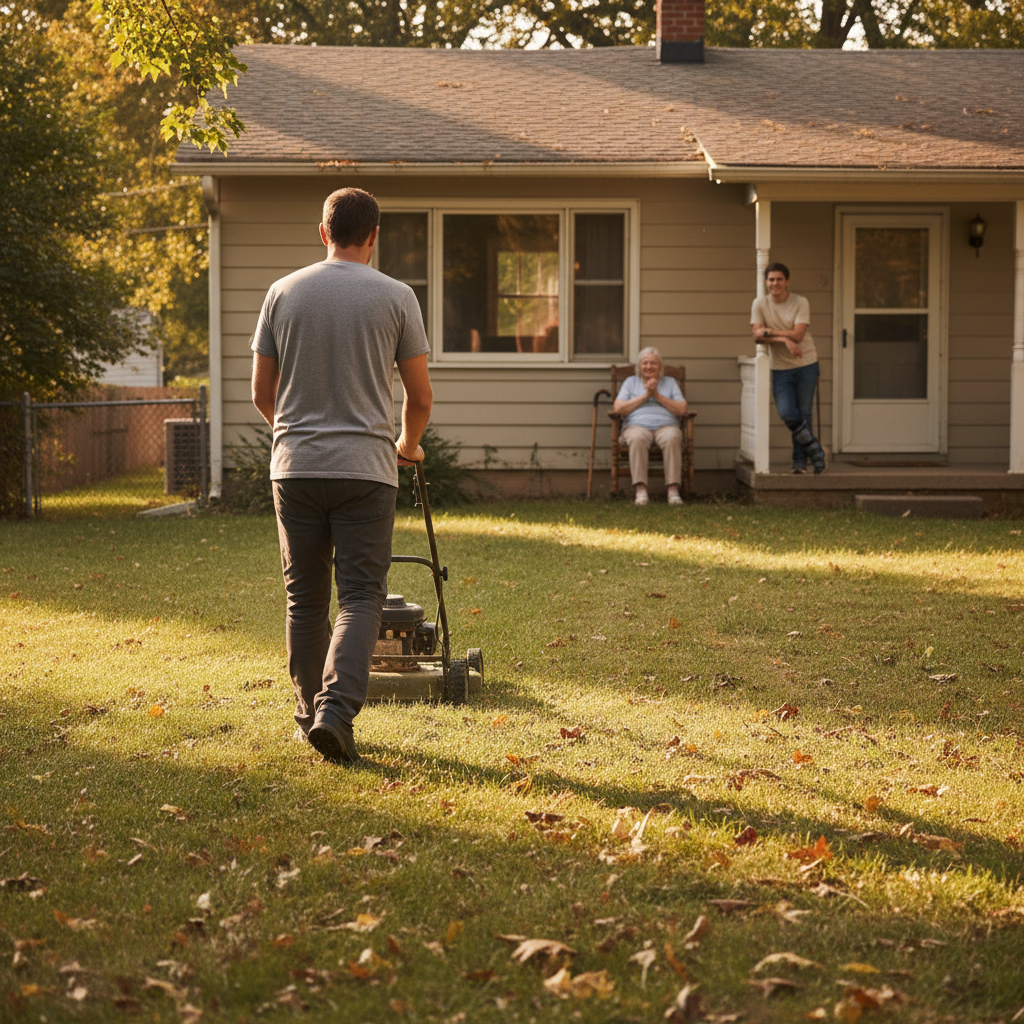
Lawn care volunteers give their time for free—but the real value behind each mow is substantial. Here’s what it actually costs to deliver a no-cost service.
Storm Debris Cleanup for People Who Can’t Do It Themselves: Who to Call
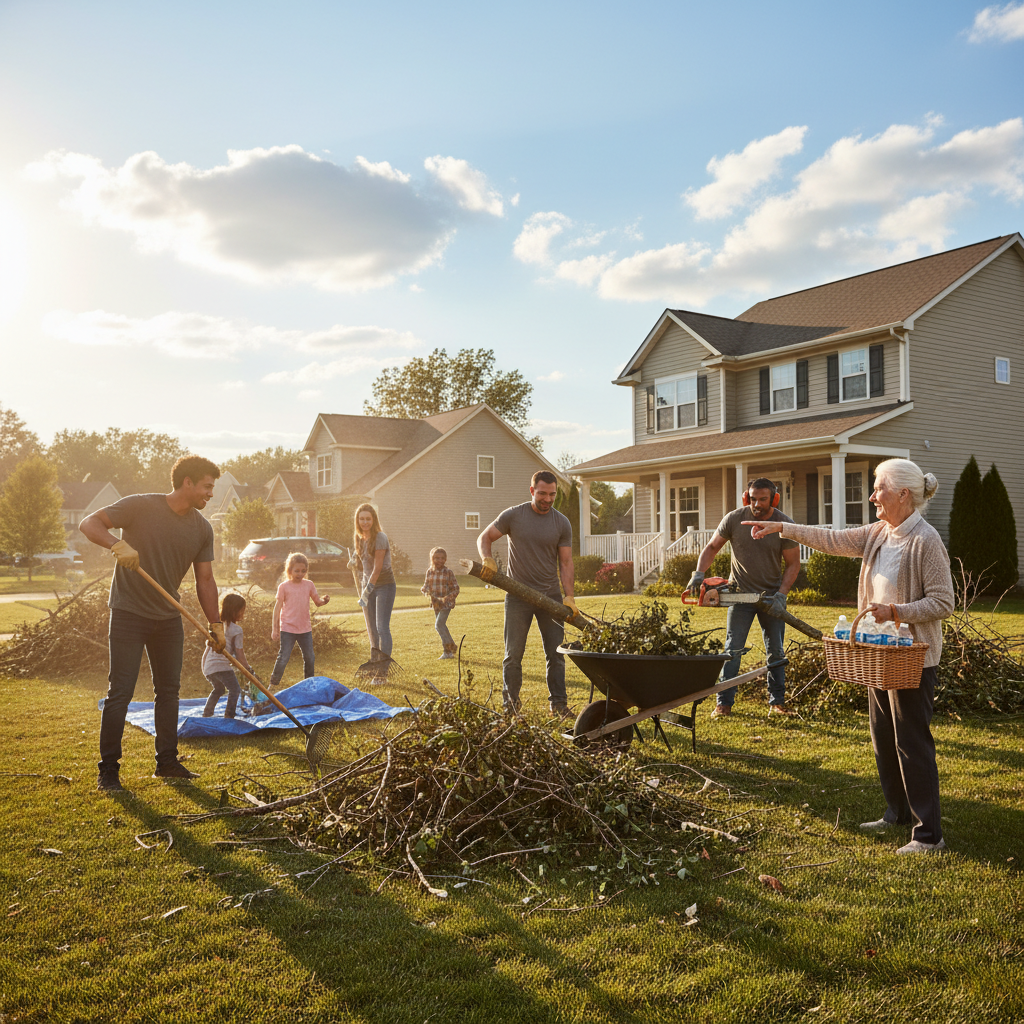
Severe storms leave debris that older adults, veterans, and people with disabilities often can’t clear alone. Here’s what to know and who can help.
The Five-Minute Favor: Small Outdoor Tasks That Make a Big Difference for a Neighbor

Quick yard tasks—pulling weeds, clearing gutters, trimming branches—take minutes but mean everything to older adults and veterans who can’t manage them alone. Here’s why small help matters most.
Decision Tree: Should I Mow Today? A Weather and Safety Flowchart

Temperature, humidity, and rain all matter. This practical guide helps volunteers and homeowners decide when it’s safe—and smart—to mow, with a simple decision framework.