The Moment You Notice
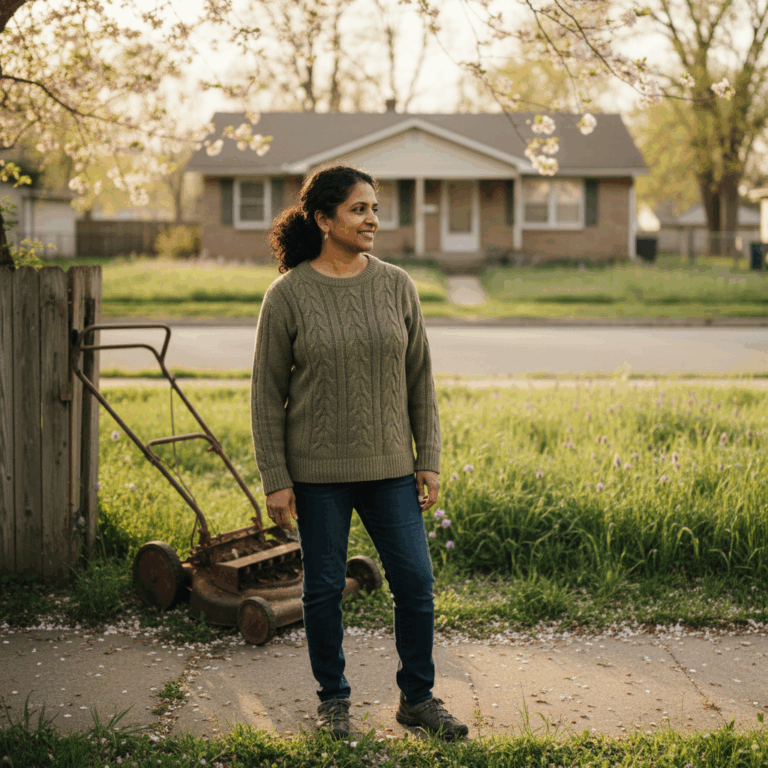
It’s a spring afternoon, and the lawn across the street hasn’t been mowed in weeks. The gutters are sagging. There’s a pile of branches near the porch that’s been there since fall. The neighbor—an older adult, a veteran, someone living alone—hasn’t asked for help. Maybe they’re proud. Maybe they don’t know help exists. Maybe they’re managing on a fixed income and lawn care feels like a luxury they can’t afford.
Noticing a neighbor in need is the easy part. Knowing what to do about it—without seeming intrusive or making them feel pitied—is harder.
Why People Don’t Ask, Even When They’re Struggling
Social isolation among older adults is a real and growing concern. 4 in 10 U.S. adults aged 45 and older report feeling lonely, often triggered by major life changes like retirement, children moving away, or the loss of loved ones. For veterans, the numbers are even more stark: veterans are more likely to experience isolation than the general population, with factors like living alone and limited social connection compounding the challenge.
But here’s what matters: many people don’t ask for help not because they don’t need it, but because they don’t think they deserve it, don’t want to burden anyone, or simply don’t know it’s available.
A neglected yard becomes more than a cosmetic issue. Social isolation among older adults accounts for an estimated $6.7 billion in excess Medicare spending annually, much of it tied to preventable health outcomes. And overgrown yards can trigger code violations, fines, or the threat of intervention—adding stress and shame to an already difficult situation.
How to Start the Conversation
Approaching a neighbor about yard work requires care. The goal isn’t to rescue them; it’s to offer relief and preserve dignity.
Keep it casual and specific
Don’t lead with “I’ve noticed your yard is getting out of hand.” That sounds like criticism. Instead, try something like: “I know yard work gets harder as we get older. I’m connected with a group of volunteers who help neighbors with mowing and exterior care—no cost, no strings attached. Would that be something you’d be interested in?” Be honest. Be direct. Offer information, not judgment.
Make it about connection, not charity
Frame the offer as community support, not pity. Volunteers aren’t contractors or caretakers—they’re neighbors. I Want To Mow Your Lawn connects over 1,800 volunteers across all 50 states with older adults, veterans, and neighbors who need temporary relief from yard work. It’s grassroots, it’s free, and it’s designed to be a bridge to independence, not a permanent fix.
Be ready for resistance
A neighbor might say no. They might be embarrassed, skeptical, or protective of their independence. That’s okay. Leave the door open: “If things change, or if you just want to know more, here’s where to find us.” Respect their choice. Sometimes planting the seed is enough.
Follow up on your own offer
If you’re offering to help directly—to rake leaves, trim branches, or mow—be clear about what you can do and when. Don’t overpromise. One reliable volunteer is worth more than vague offers of help. And if the work is beyond what a neighbor can reasonably manage alone, that’s the moment to mention organized volunteer networks.
What Comes Next
If a neighbor is interested, the process is straightforward. They (or a family member, or a case manager, or even a concerned friend) can reach out to I Want To Mow Your Lawn and describe what they need—mowing, trimming, cleanup, gutter work, whatever is piling up. Volunteers are matched based on location and availability, and work is scheduled flexibly.
The relief is often immediate and transformative. A single volunteer visit can restore a sense of control and dignity. It can also reduce isolation by creating a brief but meaningful human connection.
Why Neighbors Matter More Than We Think
Professional lawn care is expensive. Government programs often have long waitlists or strict eligibility requirements. Family members may live far away or lack the time or physical ability to help. Neighbors—people who notice, people who care enough to ask—fill a gap that nothing else does.
Starting that conversation takes courage and humility. It requires seeing a neighbor not as a problem to solve, but as a person navigating a season of life that all of us might face someday.
Next Steps
If a neighbor has mentioned a need, or if a neighbor needs help: visit iwanttomowyourlawn.com to learn more and request support.
If you’re the kind of person who notices things, who shows up for neighbors, and who wants to make a concrete difference: volunteers are always needed. Join as a volunteer to connect with neighbors in your area—whether that’s one mowing a month or a few hours during spring cleanup season.
And if you want to explore the idea of volunteering in a low-pressure, playful way, try the MOW app—a simple way to see what volunteer lawn care is all about.
Printable Guide