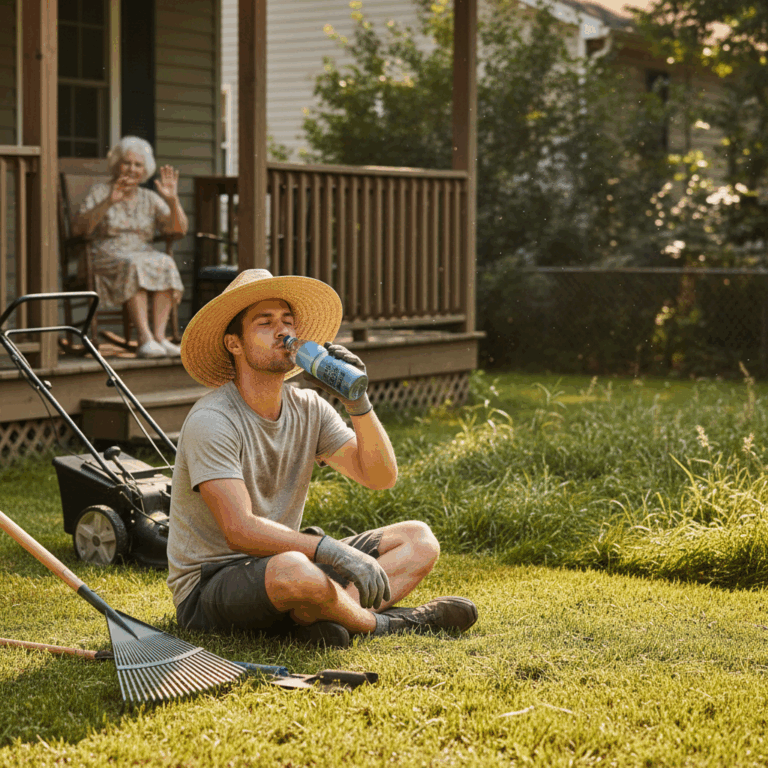
Sunscreen, Bug Spray, and Water: The Volunteer’s Outdoor Health Kit
Two hours in a yard on a sunny Saturday. That’s a typical volunteer mowing shift with I Want To Mow Your Lawn. For the person receiving help—an older adult who can no longer manage the work, a veteran managing a property alone, a neighbor dealing with illness—it’s life-changing. For the volunteer, it’s also a chance to build community. But it comes with something many volunteers don’t think about until it’s too late: sun exposure.
Outdoor work carries real health risks. Nearly 45 million Americans work outdoors as a major part of their jobs, and outdoor workers have a 60% increased risk of developing non-melanoma skin cancer compared with indoor workers. That’s not to scare volunteers away—it’s to equip them with the knowledge and tools to volunteer safely, season after season.
The Three Essentials: Sunscreen, Bug Spray, and Water
Building a basic outdoor health kit doesn’t require much. Most volunteers already own the items needed. The key is understanding how to use them effectively.
Sunscreen: Beyond the Basics
Sunscreen is the first line of defense. The FDA recommends using broad-spectrum sunscreens with an SPF of 15 or higher, applied to all exposed skin. For active outdoor volunteers, SPF 30 minimum is a safer choice.
Here’s where many volunteers go wrong: they apply it once and forget about it. Sunscreen degrades. Sweat and friction reduce effectiveness. Reapply sunscreen at least every two hours, and more often if you’re sweating. For yard work in warm weather, that usually means reapplying mid-shift.
Mineral-based sunscreens with zinc oxide or titanium dioxide are reliable choices. Spray sunscreens are convenient, but avoid spraying directly on the face—apply to hands first, then rub onto skin. Don’t forget easy-to-miss spots: ears, the back of the neck, tops of feet, and the part line in hair.
Bug Spray: Protection From More Than Discomfort
Mosquitoes and ticks aren’t just annoying—they carry disease. Bug spray containing DEET (10–30% concentration for outdoor work) is effective and well-researched. Apply it to exposed skin and clothing, but not under clothing or on cuts or irritated skin. Reapply as directed on the label, usually every few hours or after swimming or heavy sweating.
Treating clothing and gear with permethrin before heading out adds an extra layer of protection, especially in tick-prone areas. Many outdoor workers apply it to the cuffs of sleeves and pant legs to create a barrier.
Water: The Often-Forgotten Essential
Staying hydrated isn’t glamorous, but it’s critical. Outdoor work in warm weather—especially physical work like mowing and edging—raises core body temperature. Dehydration sneaks up quietly. By the time thirst kicks in, the body is already losing efficiency.
Volunteers should bring more water than they think they’ll need. A full water bottle at the start, with a refill plan, is standard. Electrolyte drinks can help on particularly hot days, especially for volunteers with certain health conditions. The goal is to drink regularly throughout the shift, not chug water at the end.
Timing and Prevention: The Bigger Picture
Sunscreen, bug spray, and water work best alongside other practices. Scheduling volunteer shifts during cooler parts of the day—early morning or late afternoon—reduces both heat stress and peak UV exposure. Light-colored, loose-fitting long sleeves and a wide-brimmed hat are excellent additional barriers, especially for longer jobs.
Many experienced volunteers treat outdoor work the way construction workers and landscapers do: as a profession requiring real protective measures, not just casual precautions. That mindset—viewing volunteer yard work as legitimate outdoor labor—makes it easier to develop habits that stick.
Making It a Habit
The challenge isn’t knowing what to do. It’s remembering to do it, shift after shift. Packing a volunteer kit the night before—sunscreen, bug spray, a reusable water bottle—removes the guesswork. Keeping supplies in the car means they’re there when a volunteer is ready to help.
Volunteers who serve consistently benefit most from small routines. Apply sunscreen before leaving home. Drink water during the mow break. Reapply sunscreen mid-shift. These steps take minutes but compound over years of service.
The goal isn’t perfection. It’s protecting health while helping neighbors who need it. I Want To Mow Your Lawn depends on volunteers staying healthy and able to return season after season. Taking care of oneself isn’t selfish—it’s how volunteers keep showing up.
Ready to volunteer? Visit iwanttomowyourlawn.com/volunteer to get started, or try the free MOW app to find neighbors in need near you—available at iwanttomowyourlawn.com/play or your app store.
Deep Dive