The Heat Is Coming—and It’s Serious
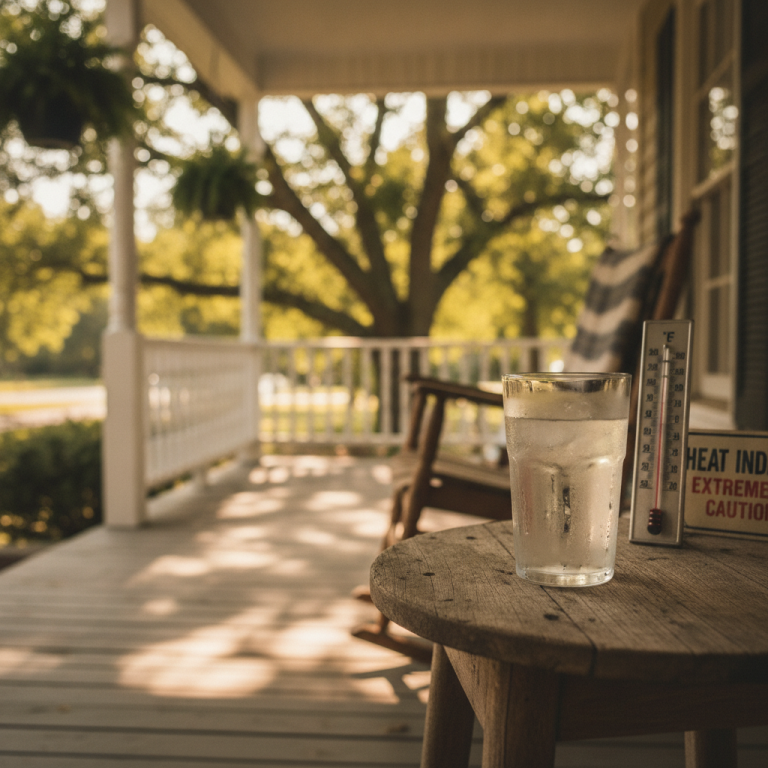
Summer 2026 is shaping up to be warmer than average across the entire country. NOAA is forecasting above-normal temperatures in all 50 states, with particular concern for the Pacific Northwest, the West, the Great Plains, and the East. The culprit? Strengthening El Niño conditions expected through summer and into fall.
For most people, a hotter summer means higher air conditioning bills and maybe canceling outdoor plans. But for older adults, veterans, and neighbors who depend on yard work to maintain their homes, extreme heat creates a real dilemma: either let the lawn go or risk their health pushing a mower in dangerous conditions.
Why Mowing in Heat Is Uniquely Risky
Lawn mowing isn’t just standing outside on a hot day. It’s sustained physical labor—walking, pushing equipment, maintaining focus—all while the body is already fighting to cool itself. This combination creates what researchers call a “dual heat burden”: your body must manage both the outdoor temperature and the metabolic heat your muscles are generating.
Extreme heat is the leading cause of weather-related deaths in the United States, and the numbers are sobering. The CDC reports roughly 700 heat-related deaths occur annually, with emergency department visits for heat-related illness surging during warm months, especially among adults aged 18–64. What’s particularly striking: OSHA has documented heat stroke deaths occurring when the heat index was only 86°F.
The risk is especially high for older adults and those with existing health conditions. Reduced ability to sweat, medication side effects, and chronic conditions like heart disease or COPD all increase vulnerability to heat illness. A veteran mowing in 95-degree heat isn’t just uncomfortable—they’re genuinely at risk.
Recognizing Heat Illness Before It’s Too Late
Heat exhaustion and heat stroke don’t always announce themselves loudly. Early signs include:
- Heavy sweating (or, paradoxically, no sweating despite extreme heat)
- Weakness, dizziness, or confusion
- Nausea or headache
- Cool, clammy skin despite high temperature
- Rapid heartbeat
If someone experiences these symptoms while mowing, they should stop immediately, move to shade, drink water, and cool the skin. Heat stroke—marked by a body temperature above 103°F, lack of sweating, or loss of consciousness—is a medical emergency.
The Practical Heat Safety Conversation
For family members or neighbors caring about someone who refuses to stop yard work, the conversation doesn’t have to be about age or capability. It can be practical: “When the heat index is above 90, the risk just isn’t worth it. Let’s find another solution.”
That “other solution” matters. Skipping mowing for a week or two during a heat wave won’t ruin a lawn. Missing yard work because of heat-related illness or worse—that’s permanent. The grass will grow back. A person’s health won’t bounce back the same way.
When Help Makes All the Difference
This is where community support becomes practical, not just nice. When heat advisories are in effect, an older adult or veteran doesn’t have to choose between risking their health and letting their yard become overgrown. A trusted neighbor or volunteer can handle the mowing safely—or simply pause the work until conditions improve.
I Want To Mow Your Lawn connects 1,800+ volunteers across all 50 states with older adults, veterans, and neighbors who need help with yard care. During extreme heat events, that network becomes a genuine lifeline. Volunteers can mow early morning, split tasks across multiple days, or simply give someone permission to wait out the heat.
If someone in the community is struggling with yard work during a heat wave, connecting them with volunteer support is straightforward. Neighbors looking to help can also step in. The goal isn’t to judge who “should” be able to mow—it’s to recognize that heat is a real hazard and that asking for help is the smart choice.
Moving Forward Through the Heat
Summer 2026 will be warm. That’s certain. What’s also certain is that heat-related illness is preventable. A conversation about lawn care safety isn’t about capability or independence—it’s about staying alive and well enough to enjoy the rest of the summer.
For those looking to help, volunteering doesn’t require equipment or experience. Volunteers can sign up here, and the MOW app makes matching with neighbors simple. Try the MOW app or download it from the App Store to see how easy it is to connect.
When the heat climbs, community support climbs too. That’s how neighborhoods stay safe and yards stay manageable—together.
Printable Guide