Help with an Overgrown Yard: Where to Start When You’re Overwhelmed
July 13, 2026 · I Want To Mow Your Lawn
When the Grass Grows Faster Than Hope
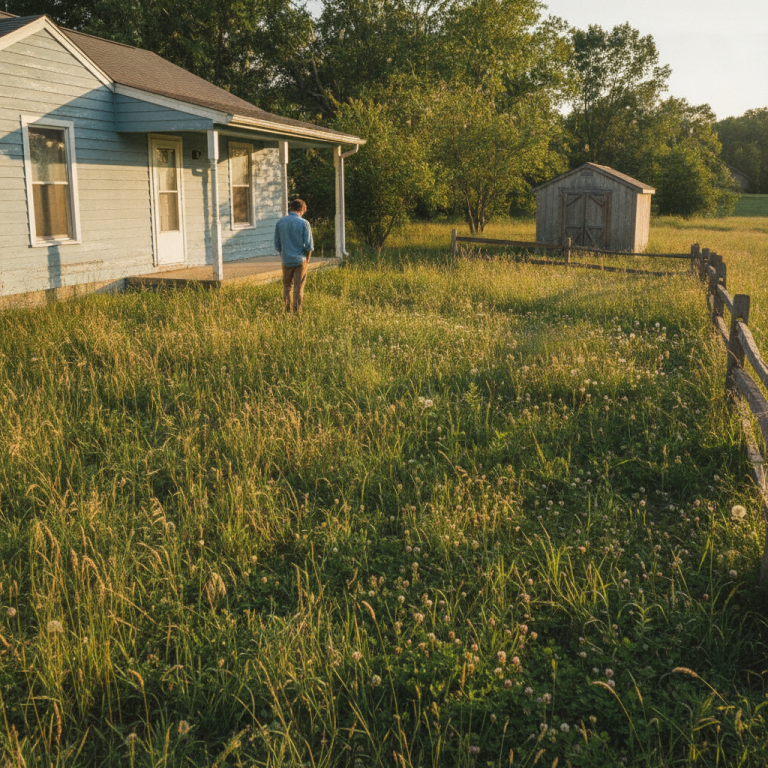
There’s a particular kind of paralysis that sets in when yard work becomes too much. Maybe it started with a bad knee, a health crisis, a fixed income that doesn’t stretch far enough, or simply the reality of aging in place. One season passes. Then another. The grass gets taller. Weeds multiply. And suddenly, the yard doesn’t just need attention—it feels insurmountable.
The truth is, this situation is far more common than most people realize. About 67% of seniors report that rising living costs make it harder to age in place, which often means lawn care gets deprioritized in favor of rent, food, or medication. For veterans, disabilities, or anyone managing chronic health conditions, yard work can shift from inconvenient to genuinely dangerous. The weight of an overgrown yard shouldn’t become a barrier to staying home.
There are also health and safety risks. Overgrown grass creates an environment where mosquitoes, rodents, and fungal diseases thrive. For older adults or people with respiratory conditions, this matters. And the physical act of mowing itself carries risk: the Consumer Product Safety Commission documented more than 185,000 yard and garden equipment-related injuries in 2024. When someone’s health is already fragile, mowing the lawn isn’t just chore—it’s a genuine safety concern.
Where to Start: Practical First Steps
Assess Without Judgment
The first step is looking at what’s actually there. Walk the yard during daylight. Note problem areas: dense overgrowth, dead patches, debris, standing water. This isn’t about shame. It’s about creating a realistic picture so help can be targeted and effective.
Check Local Code Requirements
Look up the lawn height ordinance in your city or county—requirements vary widely. Most municipalities set violations somewhere between 6 and 12 inches. Knowing your local standard helps determine urgency and scope. If a code violation letter has already arrived, that timeline becomes even more pressing.
Reach Out for Help Before Crisis Mode
This is the most important step. Waiting until a fine arrives or the yard becomes a public health issue adds unnecessary stress and cost. There are options:
Community-based volunteer networks: Organizations like I Want To Mow Your Lawn connect volunteers across all 50 states with older adults, veterans, and neighbors who need free yard care. A single volunteer visit can reset an overwhelmed yard and provide breathing room to plan next steps.
Local senior centers or veteran services: Many offer yard care assistance or can point toward resources.
Faith communities and neighborhood groups: Churches, service clubs, and neighborhood associations sometimes organize yard care volunteers.
Family or trusted friends: If direct help isn’t possible, they might know someone willing to lend a hand.
The Power of Asking
Asking for help feels harder than it should. There’s no shame in it. An overgrown yard often signals something larger—a health change, financial strain, mobility loss—that deserves compassion, not judgment. Most volunteers understand this. They’re neighbors who show up because they know it matters.
One volunteer visit won’t necessarily solve everything, but it creates space. Space to breathe, to plan, to decide what comes next without the weight of immediate crisis.
Take the First Step Today
If an overgrown yard is weighing on you or someone you know, don’t wait for a fine or a code enforcement letter. Reach out to I Want To Mow Your Lawn to request help, or consider becoming part of the solution by volunteering in your community.
Want to explore this work further? Try the MOW game (available to play online or download from the App Store) to see the real-world impact of volunteer yard care.
The Tactical Breakdown: How to Tackle an Overgrown Yard Step by Step
Step-by-step guidance for safely clearing an overgrown yard—whether you’re doing it yourself, helping a neighbor, or planning what a volunteer visit should cover. Includes measurements, tools, timeline estimates, and common mistakes to avoid.
Safety First: Gear and Setup
Before any work begins, the right protective equipment isn’t optional—it’s essential. Long pants, closed-toe boots with good grip, long sleeves, and eye protection shield against debris. For thick overgrowth or heavy weeds, heavy-duty work gloves and a dust mask prevent irritation. If anyone has respiratory concerns, consider having them stay indoors while mowing occurs.
Clear the yard of obstacles before starting: toys, garden hoses, rocks, fallen branches. Overgrown grass can hide hazards. A walk-through with a rake or hand tool helps identify what’s lurking underneath. This sounds tedious, but it prevents equipment damage and injury.
Choosing the Right Approach
How overgrown is “overgrown”? If grass exceeds 8–10 inches, a standard residential mower may struggle or clog. For very dense growth, consider a brush cutter, string trimmer, or commercial-grade mower. If weeds are thick and woody, they might need a weed whacker before mowing.
Mow in parallel, slightly overlapping passes. Start at the edge of the property and work inward, which lets clippings fall into the uncut area and contains debris. Mow in one direction first, then perpendicular on the next pass—this creates even coverage and reduces clumping.
Realistic Timeline Expectations
A severely overgrown residential lot (roughly one-quarter acre) typically takes 2–4 hours with a single person and standard equipment. Larger properties, dense weeds, or difficult terrain extend this significantly. After mowing, cleanup takes another 30–60 minutes depending on whether clippings are bagged or mulched.
Plan for multiple visits if the yard is extremely overgrown. One aggressive mow can shock grass and expose bare soil; a second pass a week or two later promotes healthier recovery.
Common Mistakes to Avoid
Scalping. Cutting grass too short (below 2–3 inches) stresses the plant and exposes soil to weeds and erosion. Even in overgrown situations, don’t remove more than one-third of the blade height in a single mowing.
Neglecting equipment maintenance. Dull blades tear grass instead of cutting it, inviting disease. Sharpen blades before a difficult job.
Ignoring underlying problems. Overgrowth often signals drainage issues, soil compaction, or pest activity. After mowing, observe where water pools and where grass grows poorly. These spots need attention in future maintenance.
What Comes After the Mow
Once the grass is cut, the real work of recovery begins. Over the next 2–4 weeks: water deeply if rain doesn’t fall, hold off on fertilizer until the grass shows new growth, monitor for disease or insect damage, and plan a maintenance schedule that prevents regrowth.
If this feels like too much to handle alone, remember: this is exactly what volunteer yard care networks exist for. A single volunteer visit creates the reset. What happens after is something neighbors, friends, or recurring help can support.
Support our foundation to unlock this resource
A donation of any amount unlocks all bonus guides, templates, and deep dives for 30 days.
100% goes toward connecting volunteers with neighbors in need.
Choose your donation amount
$
Choose how to donate:
I Want To Mow Your Lawn Inc. is a 501(c)(3) nonprofit and registered charity with PayPal Giving Fund. EIN: 85-3447661. Your donation is tax-deductible.
Have a group?Organize a Community Service Day — we'll match your team with neighbors who need help.
Want to help us reach more neighbors?Our Marketing Toolkit has copy-ready posts, press materials, and flyers you can share in five minutes.