When the Rain Doesn’t Come
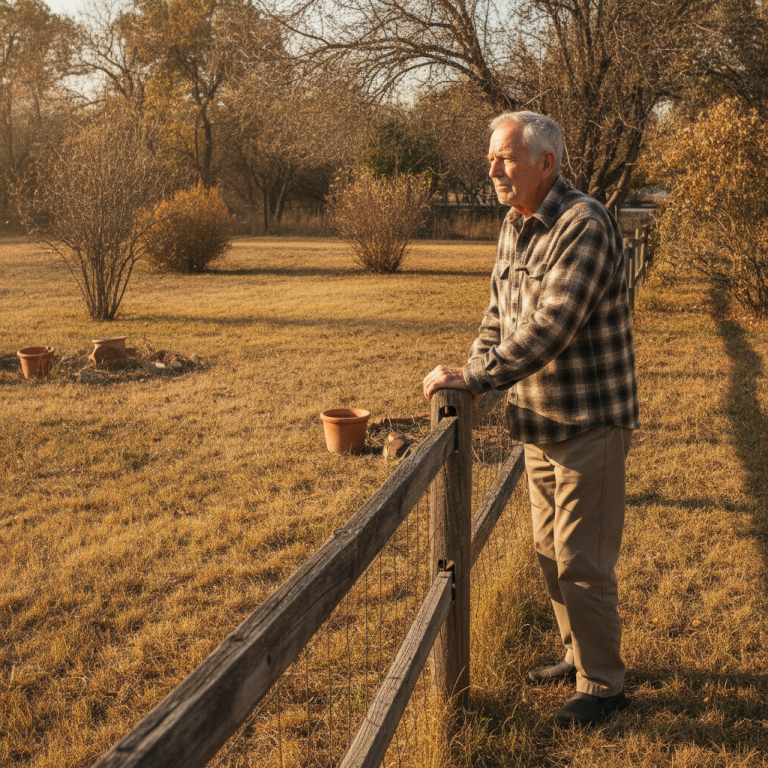
It’s July, the grass is brown, and the water bill just arrived. An older adult who has tended the same lawn for decades stands at the window, watching it decline, knowing that watering restrictions mean it will only get worse. The sprinkler stays off. The mower sits idle. The yard—once a point of pride—becomes a source of stress.
This isn’t a problem unique to one region or one season anymore. As of mid-July 2026, 38.88% of the United States and Puerto Rico is in drought, with conditions worsening in the Northwest, Northern Plains, and Upper Midwest. From Texas to the Southeast to Colorado, water restrictions are no longer a theoretical threat—they’re law. And for many people, that means lawn care has become a minefield of competing pressures: conservation rules, code enforcement, physical limitation, and the simple human desire to keep one’s home looking dignified.
Understanding the Scope of the Drought
The numbers are stark. More than 60% of the contiguous U.S. is in drought, and the regional impacts vary dramatically. In the Southeast—historically a humid region—conditions have reached record severity. Groundwater and river levels remain very low relative to normal across parts of the Carolinas, despite recent rainfall. Texas faces even more dire circumstances, with 89% of the state in drought as of March 2026.
The restrictions are real. Denver Water implemented a Stage 1 drought in March 2026, seeking a 20% reduction in water use. In Colorado, some communities went further: Erie moved to Level 4 Emergency status, banning all residential sprinkler use. Aurora banned new turf lawns altogether. California adopted permanent water conservation rules that require cities to use less water every year—not temporarily, but indefinitely.
The Hidden Cost: Money and Maintenance
Drought restrictions create a financial squeeze that compounds existing pressures. Across the 500 largest U.S. cities, households already spend an average of 1.15% of their annual income on water bills. When restrictions force outdoor watering off-limits, some homeowners face a brutal choice: let the lawn die under restrictions, or violate the rules and risk fines.
Meanwhile, the cost of lawn care services has risen. Lawn care costs increased 10.2% in 2026, even as the demand for professional help remains high. For older adults and veterans on fixed incomes, this creates a gap between what they can afford and what they need—especially when yard work becomes physically impossible or when restrictions require specialized knowledge to navigate safely.
What Lawn Care Actually Looks Like Under Water Restrictions
Under drought conditions, traditional lawn maintenance becomes complicated. When watering is banned or severely limited, the goal shifts: it’s no longer about keeping grass lush and green. Instead, the focus becomes managing the yard in a way that respects both conservation rules and the dignity of the homeowner.
Focus on what you can control: Mowing still matters, even if grass grows more slowly under drought stress. Removing dead growth, preventing debris accumulation, and maintaining sight lines around the property remain important. These tasks don’t require water—they require time, physical ability, and equipment that not everyone can manage.
Mulching and ground covers: Some regions with water restrictions see a shift toward xeriscaping, native plantings, and mulch-based landscapes that require less maintenance. For older adults accustomed to traditional lawns, this transition can feel like letting go. Professional guidance—or volunteer support—can help navigate that change with dignity.
Know your local rules: Water restrictions vary by municipality and change frequently. Some areas allow hand-watering with a hose on certain days. Others permit watering newly planted trees but not established turf. Understanding the specific rules in a neighborhood prevents accidental violations and the stress or fines that follow.
When Yard Work Becomes Impossible
Drought restrictions coincide with something often overlooked: many of the people most affected by yard care challenges are older adults and veterans who cannot physically manage lawn maintenance themselves, and who may not have the financial resources to hire professional services.
A veteran returning home with mobility challenges. An older adult facing the physical reality that mowing is no longer safe. A neighbor on a fixed income watching code enforcement concerns pile up. These situations existed before the drought—but drought restrictions add urgency and complexity.
This is where community support becomes essential. I Want To Mow Your Lawn connects 1,800+ volunteers across all 50 states with older adults, veterans, and neighbors who need free yard and exterior home care relief. During drought season, that support can mean the difference between a yard maintained under water restrictions and one that falls into disrepair—along with the stress, fines, and shame that often follow.
Practical Steps During Drought Restrictions
- Check local water restrictions before planning any yard work. Many municipalities maintain updated rules online.
- If watering is allowed, do it during early morning or evening to minimize evaporation.
- Focus on essential maintenance: mowing, debris removal, clearing sight lines around the property.
- Consider mulch-based landscaping or native plants if traditional lawn is unsustainable in your region.
- If yard work becomes physically impossible, don’t wait for code enforcement—reach out for help early.
Reaching Out for Help
Drought conditions don’t change the fact that yard work matters. A well-maintained property protects home value, respects neighborhood standards, and allows older adults and veterans to stay in their own homes with dignity. But maintaining a yard during severe drought—with restrictions in place and physical limitations—shouldn’t be a solo burden.
If yard care has become unmanageable, whether due to drought conditions, physical limitation, or financial constraint, support is available. Volunteers are ready to help with mowing, debris removal, and exterior maintenance—no cost, no strings attached.
Volunteer with I Want To Mow Your Lawn if you have time and equipment to share with neighbors in need. Those interested in learning more or requesting help can also explore the MOW app, available on the App Store, which connects volunteers and neighbors in real time.
Drought is a season. Dignity is permanent. Supporting each other through difficult conditions—that’s what community means.
Printable Guide