The Moment Before You Start
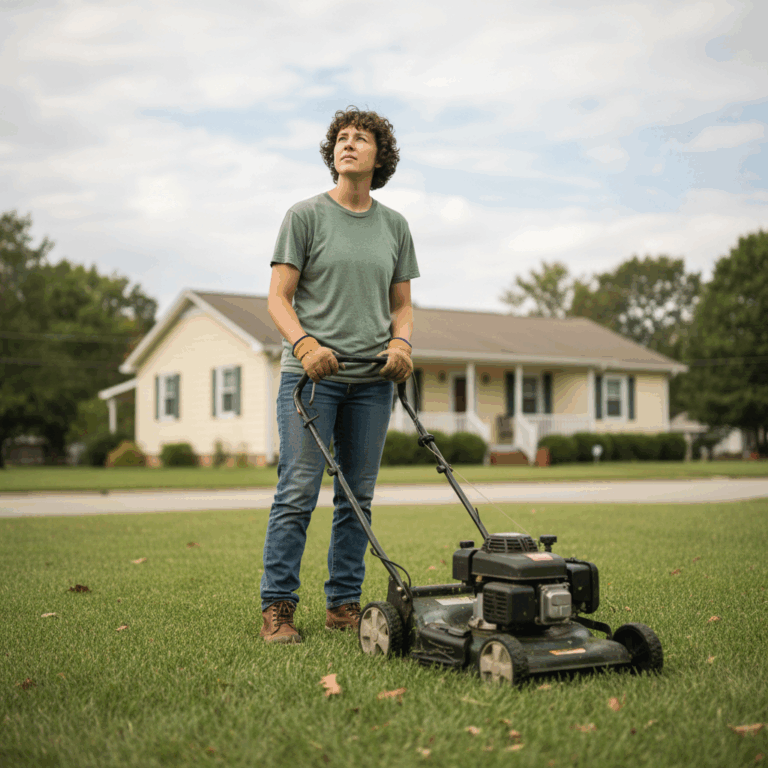
It’s Saturday morning. The grass needs cutting. The sky is partly cloudy. A light drizzle fell last night. The question sits there, unasked but urgent: Is it safe to mow today?
This decision matters more than it might seem. For a volunteer showing up to help an older adult or veteran, it’s the difference between a productive morning and a day that creates risk instead of relief. For a homeowner managing their own yard, it’s about protecting their body and their lawn. For anyone handling a machine that moves at speeds capable of throwing debris at 200 miles per hour, the stakes are real.
The good news: this decision doesn’t have to be complicated. A simple flowchart—grounded in safety facts and practical experience—can guide anyone through the conditions that matter most.
Start Here: The Three Big Questions
Before pulling the mower out, ask these three things:
- Is the grass wet or is the ground saturated?
- Is there a thunderstorm in the forecast or nearby?
- Are conditions making it hard to stay balanced or in control?
If the answer to any of these is yes, the safest choice is to wait. Here’s why—and when it’s okay to proceed.
Question 1: Is the Grass or Ground Wet?
The risk: Wet grass is slippery. On a push mower, that means lost footing and balance. On a riding mower, it means skidding and loss of control. Add moisture to an electric mower and cord, and the risk shifts to electrocution. Even when the accident doesn’t happen, wet grass is shredded rather than cut cleanly—those torn ends stay damp longer and invite fungal diseases like brown patch and dollar spot.
How to know if it’s safe: The foot test is your first move. Step on a patch of grass in the area you plan to mow. Does it feel firm? Does it spring back? If yes, you’re likely safe. If your footprint stays visible or the ground feels spongy, wait.
Timing matters: After light rain, grass typically dries enough in 2 to 5 hours. After heavy rain, aim for a full day or more. Over 40% of lawn care professionals refuse to mow when standing water is visible—they know it ruins the lawn and increases risk. Follow their lead.
Question 2: Is There a Thunderstorm Threat?
The risk: This is the one that demands respect. Lawn care accounts for 9% of work-related lightning fatalities. More people are killed by lightning than by lawn mowers—a sobering reminder that storms are not a minor inconvenience.
The 30/30 Rule: If you see lightning or hear thunder, stop mowing immediately and go inside. Don’t resume until 30 minutes after the last lightning flash or thunder sound. This rule, endorsed by the National Weather Service and OSHA, is simple because it works: lightning can strike from storms up to 10 miles away, even when skies look clear overhead.
Before you start: Check the forecast before heading out. If thunderstorms are predicted within the next 2–3 hours, reschedule the mowing. It’s not worth the risk, and it’s not worth cutting it close.
Question 3: Are Conditions Making Control Difficult?
Beyond wet grass and storms, consider:
- High winds: Debris flies unpredictably; balance becomes harder.
- Very hot temperatures: Heat exhaustion is real, especially for older adults. Mow earlier in the day or reschedule.
- Poor visibility: Fog or low light makes it harder to see obstacles, people, or edges. Wait for clearer conditions.
- Your physical state: If you’re tired, medicated, or not feeling well, mowing isn’t the right task for this day. The machine demands full attention.
The Numbers Behind the Safety
Lawn mower accidents cause 85,000 injuries annually in the U.S., including 70 fatalities. The most common injuries are lacerations, fractures, and amputations to hands, wrists, feet, and toes. Nearly 10% of injuries require hospitalization, averaging $37,000 per patient. These aren’t distant statistics—they’re preventable injuries that happen when conditions aren’t right or safety decisions are rushed.
For Volunteers: Your Safety Protects Your Service
Volunteers who show up for older adults, veterans, and neighbors are doing vital work. That work only matters if volunteers stay safe. If weather or ground conditions don’t align, it’s not a failure to postpone—it’s responsible stewardship of both the mission and the person being served. A rescheduled mow is far better than an injury that sidelines a volunteer or puts a neighbor at risk.
Before volunteering, check the forecast. Bring the foot test into your routine. Know the 30/30 rule for lightning. These small disciplines compound into safer mornings for everyone involved.
A Simple Decision Tree
Is there lightning or thunder, or is a thunderstorm forecast within the next 2–3 hours?
YES → Do not mow. Reschedule.
NO → Continue.
Is the grass wet, or is the ground spongy or saturated?
YES → Use the foot test. If footprints stay visible or the ground feels soft, do not mow. Wait until conditions dry.
NO → Continue.
Are other conditions unsafe? (high winds, poor visibility, extreme heat, fatigue, etc.)
YES → Reschedule for better conditions.
NO → You’re clear to mow safely.
The Broader Picture
Yard work is essential care—for the lawn, for property, and for the well-being of older adults and veterans managing aging in place. But essential doesn’t mean reckless. The best volunteers, the safest homeowners, and the strongest communities are built on decisions that protect both the task and the people doing it.
One postponed mow, scheduled for better conditions, is an act of wisdom. It protects the volunteer, protects the person being served, and ensures that the lawn actually benefits from the work instead of being damaged by it.
Check the weather. Do the foot test. Know the 30/30 rule. And when conditions aren’t right, wait. The yard will still be there when it’s safe.
Join the Community of Helpers
Thousands of volunteers across all 50 states are making yard care relief possible for neighbors who need it most. Whether it’s seasonal mowing, storm cleanup, or regular maintenance, volunteers connected through I Want To Mow Your Lawn are showing up safely and responsibly.
If this kind of work resonates—showing up for an older adult, a veteran, or a neighbor who can’t manage yard work alone—consider joining the volunteer network. Visit iwanttomowyourlawn.com/volunteer to get started, or try the free MOW app to explore opportunities in your area. Play the MOW game online or download it from the App Store to learn more.
Downloadable Template