When Traditional Therapy Isn’t Enough
A veteran sits in a therapist’s office, trained to process trauma through carefully structured conversations. The clinical setting, the fluorescent lights, the emotional intensity—it works for some, but not for everyone. Research reveals that nearly 26% of service members and veterans drop out of PTSD therapy before completing treatment. For trauma-focused approaches like cognitive processing therapy, dropout rates climb as high as 40%.
This gap matters. It means thousands of veterans struggling with mental health conditions leave treatment before finding relief—not because they lack commitment, but because the path offered doesn’t fit how their minds and bodies heal.
There’s an alternative approach quietly gaining momentum: gardens, yards, and outdoor work. It’s not a replacement for clinical care, but emerging evidence suggests it reaches veterans who might otherwise fall through the cracks.
The Numbers Behind the Crisis
The scope of veteran mental health challenges is staggering. In 2022, there were 6,407 suicides among veterans—an average of 17.6 veteran suicides per day. The suicide rate among U.S. veterans is more than twice as high as the non-veteran population.
Meanwhile, fewer than half of returning veterans in need of mental health treatment receive it. Barriers include stigma, accessibility, cost, and—as the research shows—the mismatch between how veterans heal and how clinics deliver care.
What if part of the solution was already there, waiting in the soil?
What the Science Says About Gardens and Healing
A 2024 umbrella review analyzing 40 studies found that gardening and horticultural therapy produce a significant positive effect on well-being, reducing depression and anxiety symptoms, stress, and mood disturbance. The research spans decades and disciplines—neuroscience, psychology, physiology—and points to consistent patterns.
One mechanism is straightforward: cortisol, the stress hormone. When a person spends time in nature, their body begins to relax measurably. A 20-to-30-minute nature experience produces a 21.3% drop in salivary cortisol beyond the hormone’s normal daily decline—a physiological shift that happens without a therapist’s intervention or a prescription pad.
But there’s more happening than just biochemistry. Attention Restoration Theory, a framework developed by environmental psychologists, suggests that natural environments quiet the brain’s constant demand for focus and decision-making. A person pulling weeds or tending soil isn’t forced into intensive reflection; they’re allowed to exist quietly, to move their hands, to watch something grow.
Why Yard Work Reaches Veterans Other Programs Don’t
Gardens don’t feel like clinical interventions. That matters profoundly.
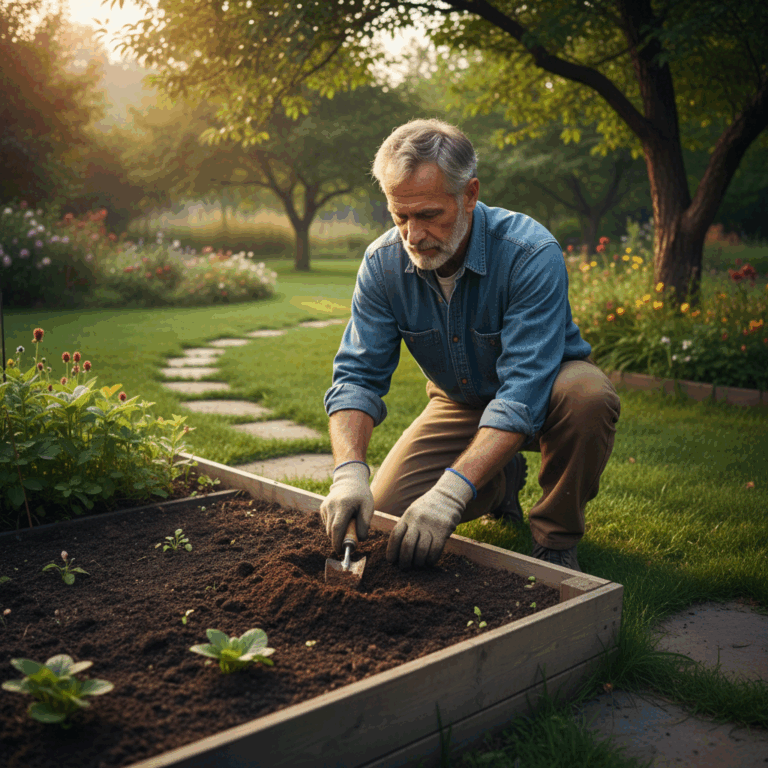
A veteran can step outside, work with soil and plants, see tangible results, and experience genuine accomplishment—all without sitting across from a clinician asking probing questions. The work is real. The outcome is visible. There’s no narrative required, no vulnerability demanded in a formal setting.
For veterans with trauma histories, especially those who’ve experienced high levels of control loss, yard work can restore a sense of agency. Plant a seed. Water it. Watch it grow. The cycle is predictable, manageable, and ultimately under the person’s control.
Additionally, outdoor work sidesteps some of the stigma that still clings to mental health treatment in military communities. It’s not labeled as therapy. It’s just work—meaningful, useful work that benefits a home and a life.
When Yard Work Becomes Inaccessible
The paradox: many veterans who would benefit most from outdoor work—particularly older veterans and those with service-connected disabilities—struggle to maintain their own yards. Pain, mobility limitations, or simply being overwhelmed can make yard care impossible. The overgrown lawn becomes a daily reminder of what they can’t do, another loss piled atop trauma and transition.
That’s where volunteer support enters. I Want To Mow Your Lawn connects 1,800+ volunteers across all 50 states with veterans and older adults who need free lawn and exterior home care relief. The work is tangible: mowing, clearing, edging, minor repairs. But the real outcome is different—it’s removing a barrier so that a veteran can step outside into a space that feels manageable, even welcoming.
For some, that cleared yard becomes the entry point to their own healing. For others, it’s simply the relief of one less thing that feels impossible.
A Complement, Not a Cure
Garden therapy works best alongside clinical care, not instead of it. A veteran receiving trauma-focused therapy who also spends time in nature or yard work may have better treatment retention and outcomes. The garden doesn’t replace the therapist; it supports the whole person.
For those who’ve stepped away from traditional treatment, outdoor work and nature contact offer a gentler entry back to healing—a way to engage with recovery that doesn’t require sitting in an office or naming every painful memory on day one.
How to Help
If a veteran in the community is struggling with an overgrown yard, or if the idea of connecting people with simple, dignified yard care support resonates, there are ways to get involved.
To volunteer: Visit iwanttomowyourlawn.com/volunteer to sign up. Volunteers don’t need specialized training or equipment; IWTMYL connects neighbors with neighbors in a straightforward way.
To explore further: Play the MOW game to learn more about the organization’s work, or download the app from the App Store to stay connected to the community.
The soil doesn’t discriminate. Neither should access to healing.
Downloadable Template