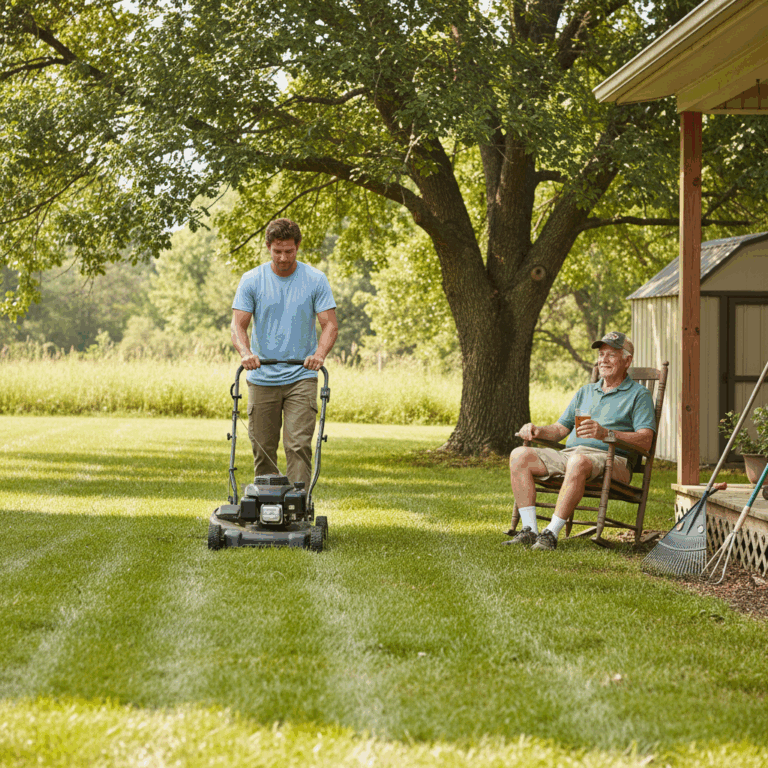
Diabetes and Outdoor Work: Blood Sugar Risks During Yard Tasks
May arrives, the grass starts growing, and suddenly the yard becomes a project again. For many older adults and veterans living with diabetes, that seasonal reality brings more than just a to-do list—it brings a complicated mix of physical demands, heat exposure, and blood sugar management that most neighbors don’t think about.
The truth is simple: yard work is real exercise. And for people managing diabetes, exercise changes blood sugar in ways that are hard to predict and harder to navigate alone.
Why Yard Work Affects Blood Sugar
Mowing the lawn, raking, digging, and weeding aren’t light activity. A standard push mowing session, for example, requires sustained aerobic output—the kind that burns significant calories and forces the body to use glucose for fuel. Just 30 to 45 minutes of yard work can burn up to 150 calories, and that energy demand matters enormously when insulin is in the picture.
Here’s where it gets complicated: physical activity can lower blood glucose up to 24 hours or more after a workout by making muscles more sensitive to insulin. That’s the good news. But blood sugar can also spike during or after vigorous outdoor work, especially when stress hormones kick in from exertion or heat. So the same yard task can push blood sugar both directions—sometimes within the same afternoon.
People with type 1 diabetes face an added layer of complexity: balancing insulin doses with the actual activity level. Someone who takes a standard insulin dose in the morning has no easy way to adjust for unexpected yard work at 3 p.m. The body doesn’t wait for ideal conditions.
Heat: The Silent Amplifier
May and June bring warmth, and warmth compounds diabetes-related risks in ways many people don’t realize. People with diabetes feel the heat more intensely than those without the condition, and the reason matters: nerve and blood vessel damage from diabetes can impair sweat glands, making it harder for the body to cool itself naturally.
Combine that with the physical exertion of yard work, and the risk of heat exhaustion rises sharply. Someone might not recognize they’re overheating until symptoms are already serious. Adding blood sugar management on top of that creates a scenario where outdoor work stops being just physically demanding—it becomes genuinely unsafe without a plan.
The Reality for Older Adults and Veterans
Nearly 29% of Americans 65 and older have diabetes, making it one of the most common chronic conditions among older adults. For veterans, the prevalence is even steeper: diabetes affects nearly 25% of the VA’s patient population. These aren’t small numbers. These are populations for whom yard work presents genuine, documented health risks.
An older adult or veteran with diabetes often faces a hard choice: attempt yard work and risk blood sugar complications and heat exposure, or let the yard go. Neither option feels good. Letting maintenance slide creates code violations, safety hazards, and the slow erosion of the sense that home is still manageable. Doing the work yourself puts your health at risk.
What People with Diabetes Can Actually Do
If yard work is essential: Time it carefully. Work in cooler parts of the day—early morning or late afternoon. Check blood sugar before starting and have a plan if it dips during or after. Keep water and fast-acting carbs nearby. Know the warning signs of heat exhaustion: dizziness, nausea, weakness, confusion. If they appear, stop and cool down immediately.
Be honest about limits. Not every person with diabetes should be managing a full yard in May heat, no matter how capable they felt five years ago. That’s not giving up. That’s understanding your body.
Consider asking for help. This is where the conversation often stalls. Many older adults and veterans are uncomfortable asking neighbors, and many neighbors aren’t sure how to offer without causing offense. But the ask itself is simple: temporary relief from yard work during the months when heat and growth collide.
Free Yard Help Exists for This Reason
I Want To Mow Your Lawn connects volunteers across all 50 states with older adults, veterans, and neighbors who need free, temporary relief from outdoor home maintenance. The organization doesn’t promise recurring service—it offers exactly what people often need most: help when the physical demands or the season make yard work unsafe or impossible.
For someone managing diabetes, that kind of help isn’t luxury. It’s practical safety. It’s the difference between navigating blood sugar swings on your own terms and managing them while pushing a mower in May heat.
If yard work has become physically risky, or if you know someone in that position, asking for help is reasonable. So is offering it. Both are acts of community care.
Need a volunteer mower in your area? Learn how to request or volunteer, or download the MOW app to find and coordinate help in your community. The MOW app is available online and through major app stores.
Downloadable Template