How to Plan a Corporate Volunteer Day Around Yard Care
June 18, 2026 · I Want To Mow Your Lawn
How to Plan a Corporate Volunteer Day Around Yard Care
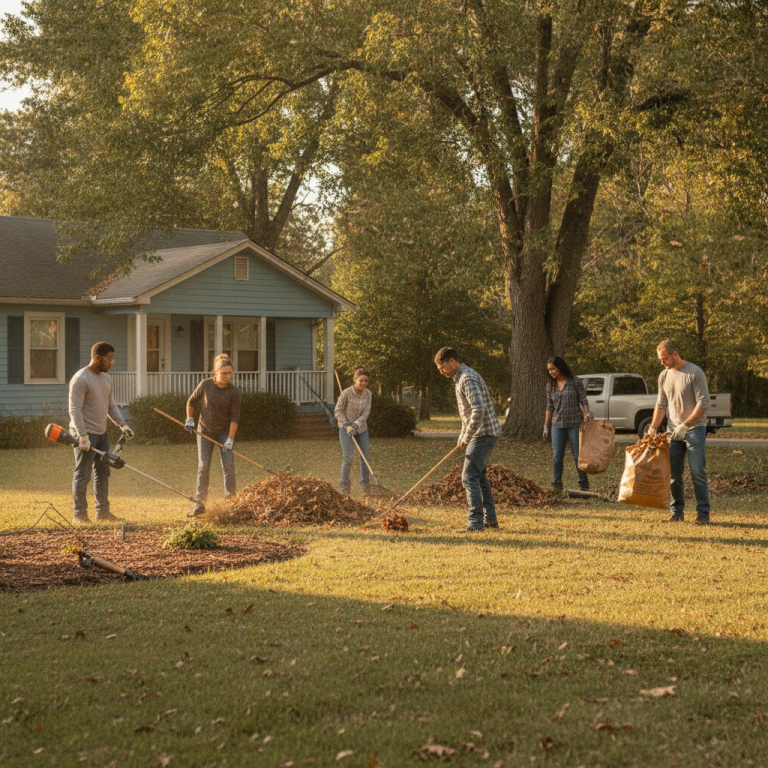
There’s something about working outdoors together that changes a team dynamic. When a group of colleagues steps into a neighbor’s overgrown yard on a Saturday morning—armed with rakes, clippers, and genuine purpose—something shifts. Conversations flow differently. Barriers dissolve. People who sit in the same office but rarely talk suddenly find common ground.
This is the power of team-based yard care volunteering, and 2026 is the perfect year for companies to harness it. The United Nations has designated 2026 as the International Year of Volunteers for Sustainable Development, placing a global spotlight on volunteerism as a driver of meaningful change. At the same time, corporate volunteer participation has surged. Corporate volunteers logged 23.7 million approved hours in 2025—a clear signal that employees want to give back, and organizations are ready to support them.
But here’s the catch: planning a volunteer day takes intention. Especially when the work involves yards, equipment, and real people who are counting on the help.
Why Yard Care? Why Now?
Yard maintenance doesn’t feel like charity. It’s direct, visible, and tangible. A morning of work produces an immediate, obvious result: a yard that looks cared for, a neighbor who can breathe easier, and a team that watched themselves make a difference.
Older adults, veterans, and neighbors managing illness, disability, or financial hardship often struggle to maintain their yards—not because they don’t care, but because the physical demands are overwhelming. An overgrown yard can trigger code violations, health hazards, or feelings of helplessness. But a volunteer team can transform that situation in a few hours.
1. Partner with the right organization. Connect with I Want To Mow Your Lawn (IWTMYL) or a local volunteer network that matches teams with neighbors who need help. This removes the guesswork and ensures the work meets real need. IWTMYL coordinates 1,800+ volunteers across all 50 states and can connect corporate teams with neighbors ready to receive help.
2. Choose the right timeframe. Plan for a 2–4 hour block on a Saturday or weekday morning (if offering volunteer time off). This respects participants’ availability and prevents burnout. Avoid peak heat hours in summer.
3. Communicate clearly about the work. Be transparent: this isn’t landscaping design. Volunteers will mow, rake, trim, and clear debris. Assign roles based on comfort and physical ability. Some employees may prefer equipment operation; others, sorting and hauling. Both matter.
4. Supply the essentials. Provide or confirm access to mowers, trimmers, bags, rakes, and water. Brief the team on equipment safety. If IWTMYL is coordinating, they’ll help clarify what’s on-site versus what the company should bring.
5. Set realistic scope. One yard, one morning, one focused goal. Avoid the temptation to overcommit. A complete, well-done job builds morale. An ambitious, half-finished one leaves everyone exhausted.
6. Make it inclusive. Yard work varies in physical demand. Offer roles for different ability levels: driving, sorting, cleanup, water distribution, and encouragement all matter. No one should feel sidelined.
Measuring Impact
Document the day through photos (with the neighbor’s permission), volunteer hours, and feedback. A single corporate volunteer day might deliver 30–50 hours of labor—work that would cost a neighbor hundreds of dollars to hire out, or might never happen at all.
More importantly, the neighbor gets relief. The yard becomes manageable again. And the team leaves knowing they did something real.
Next Steps
Ready to organize a team yard care day? Visit the IWTMYL volunteer page to connect with the organization and start planning. For a fun way to deepen team knowledge about yard care and maintenance, check out the MOW game, available on the web or as an app download—it’s educational and builds team camaraderie before the big day.
Yard care volunteering isn’t complicated. It just takes a team, a neighbor, and the willingness to show up. In June 2026, with the world celebrating volunteerism, there’s no better time to start.
The Logistics Playbook: Running a Flawless Corporate Yard Care Day
The difference between a good volunteer day and a great one is in the details. This guide walks through equipment setup, role assignment, safety protocols, and post-day best practices—so your team leaves feeling accomplished and the neighbor feels truly supported.
Equipment Setup & Safety
Before the team arrives, walk the yard with the neighbor or a coordinator. Identify fixed obstacles (garden hoses, stakes, decorative elements), utility lines, and any areas that are off-limits. Mark them clearly on a simple printed map or verbally brief the team upon arrival.
Set up a central “station” with water, sunscreen, first aid supplies, and a shaded rest area. Assign one person as equipment manager—they control the mower, maintain fuel levels, and ensure tools are returned and accounted for. This prevents confusion and minimizes risk.
Brief the team on mower operation and trimmer technique, even if most have used these tools before. Yards vary; equipment varies. A 5-minute safety huddle saves injuries and builds confidence. Emphasize: stay hydrated, wear sunscreen, avoid the mower while others are nearby, and speak up if tired or uncomfortable.
Role Assignment & Workflow
Divide the team into functional roles: movers, trimmers, rakers, bagging crew, and a “spotter” (someone checking quality and coordination). Rotate roles every 30–45 minutes so people get variety and no one burns out on a single task.
Start with trimming around obstacles and edges, then mow the bulk of the yard. Follow with raking to collect clippings and debris. This sequence prevents the mower from running over loose material and keeps the work flowing logically.
Assign the bagging crew to consolidate debris into bags or a pile for pickup. If the neighbor hasn’t arranged removal, confirm what the expectation is beforehand—some properties can’t accommodate large brush piles.
Quality Control Without Perfectionism
The goal isn’t a manicured lawn—it’s a maintained, safe, cared-for yard. Set that tone upfront so volunteers aren’t stressed about perfection. A neighbor in need cares far more about “no longer overgrown” than “magazine-ready.”
That said, do a final walkthrough 15 minutes before wrapping up. Check for missed clippings, fallen branches, or uneven mowing that could look unfinished. Minor touch-ups take minutes but lift the whole impression.
Closing & Connection
Bring the team and neighbor together at the end, even for just 10 minutes. Let the neighbor thank the group. Let volunteers see the impact of their work reflected in gratitude. This moment is irreplaceable—it transforms a task into a real human connection.
Take a group photo (with permission) and gather volunteer names and hours for your records. This data matters for impact reporting and for the nonprofit organization coordinating the work.
Post-Day Follow-Up
Send a thank-you email to volunteers within 24 hours, including the impact summary: hours logged, the neighbor’s situation, and the difference the team made. Share photos. Celebrate the effort. This reinforces why the work mattered and builds momentum for future volunteer opportunities.
When yard care volunteering is done well, it changes how employees see their company, their team, and their community. The logistics are simple; the impact is profound.
Support our foundation to unlock this resource
A donation of any amount unlocks all bonus guides, templates, and deep dives for 30 days.
100% goes toward connecting volunteers with neighbors in need.
Choose your donation amount
$
Choose how to donate:
I Want To Mow Your Lawn Inc. is a 501(c)(3) nonprofit and registered charity with PayPal Giving Fund. EIN: 85-3447661. Your donation is tax-deductible.
Have a group?Organize a Community Service Day — we'll match your team with neighbors who need help.
Want to help us reach more neighbors?Our Marketing Toolkit has copy-ready posts, press materials, and flyers you can share in five minutes.