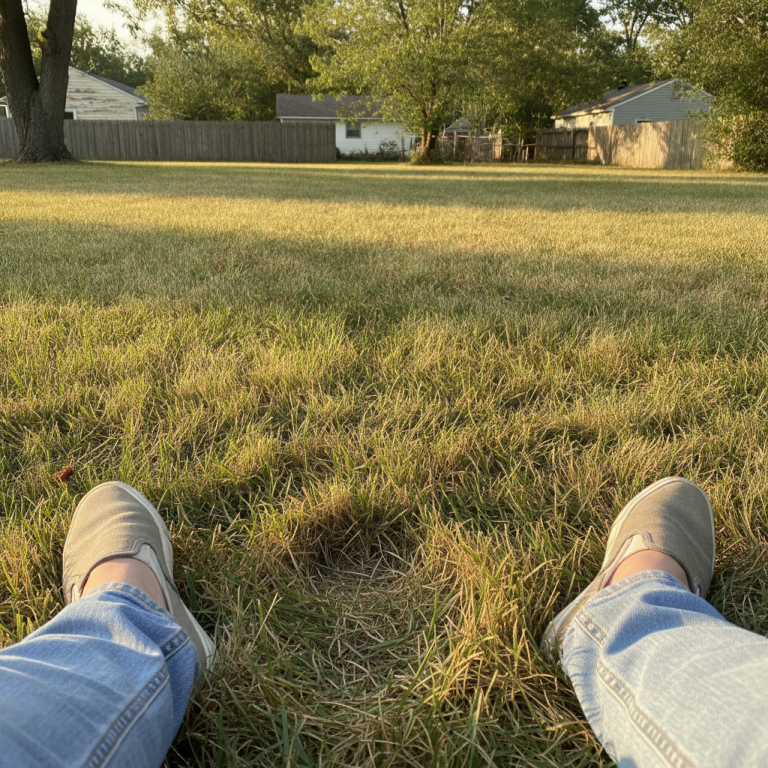
Mid-Summer Lawn Rescue: When Grass Looks Stressed
By mid-June, many homeowners are noticing something off about their yards. The grass isn’t as green. It feels thinner underfoot. Footprints linger longer than they should. Some patches are turning brown despite regular watering—or despite not being able to water as much as usual, thanks to local restrictions.
This isn’t negligence. This is what stress looks like on a lawn when heat and drought collide.
The Reality of Summer 2026
The numbers tell the story. As of mid-June 2026, nearly 47% of the United States is experiencing drought conditions, with the Southeast facing a regional drought record since monitoring began in 2000. Water restrictions are already in place in hundreds of municipalities across 46 states—not as suggestions, but as mandatory rules. Some cities have limited outdoor watering to two days per week. Others have banned it entirely during peak hours.
And the forecast for the rest of summer? Most of the contiguous United States is expected to experience above-average temperatures, with 90-degree days predicted near or above historical averages in major cities.
For anyone responsible for a lawn right now—especially older adults, veterans, and neighbors managing yards on fixed incomes or limited physical ability—this is a genuinely difficult season.
What Stressed Grass Actually Looks Like
The first warning sign is often visual but easy to miss: footprints that turn blue or gray and stay visible hours after someone walks on the grass. This happens because the stressed grass can’t bounce back. It’s using water faster than roots can absorb it, so the blades stay compressed and discolored.
Other signs include:
- Uneven coloring. Some areas remain green while nearby patches turn tan or brown—even in the same yard.
- Thin, sparse growth. The lawn looks weak. Weeds move in where stressed turf retreats.
- Increased pest and disease pressure. When a lawn is already struggling, insects and fungal issues find easy footing.
- Slower growth or dormancy. The grass essentially stops growing to conserve energy. It’s not dead—it’s just paused.
The trickiest part: even with consistent watering, a lawn under sustained heat stress will show these symptoms. The turf is fighting two battles at once—too little water and too much heat.
Why This Matters Beyond Aesthetics
A stressed lawn isn’t just an eyesore. For older adults and others who can no longer handle yard work themselves, a visibly struggling yard can trigger anxiety about code violations, neighborhood judgment, or expensive recovery costs down the road.
For people on tight budgets, the temptation to over-water—against local restrictions—creates a different kind of stress: fines, higher water bills, or guilt about wasting a scarce resource.
And for those simply trying to maintain dignity in their own homes during a physically challenging season of life, a neglected-looking yard feels like one more thing slipping out of control.
What Actually Helps Right Now
Adjust expectations. A dormant lawn during drought is not a failure. It’s a survival strategy. Cool-season grasses slow growth dramatically when temperatures climb above 90°F. This is normal. The lawn isn’t dead—it’s resting.
Water deeply, not frequently. If local restrictions allow, water less often but more thoroughly. This encourages deeper root growth and helps turf withstand heat better. Early morning watering (before 6 a.m.) reduces evaporation loss.
Mow higher. Taller grass shades soil, reduces moisture loss, and provides better stress resilience. Most lawns benefit from 2.5 to 3.5 inches during summer heat.
Skip fertilizer for now. Feeding a heat-stressed lawn can do more harm than good. Wait until early fall when cooler temperatures return and growth naturally resumes.
Avoid foot traffic. Stressed grass bruises easily. Minimize walking on dormant or thin areas when possible.
When It’s Time to Ask for Help
Not everyone can climb on a mower in 95-degree heat. Not everyone can afford the water bill spike or the landscaping invoice if things get out of hand. Not everyone has neighbors nearby who notice or offer a hand.
That’s exactly why I Want To Mow Your Lawn exists. The organization connects 1,800+ volunteers across all 50 states with older adults, veterans, and neighbors who need temporary relief from yard care—especially during seasons like this when heat, drought, and water restrictions create a perfect storm of stress.
If yard work feels impossible right now—whether because of physical limitations, financial strain, or simply because the season is unusually brutal—reaching out for help isn’t giving up. It’s being smart about what matters most: staying safe, staying healthy, and maintaining peace of mind.
Next Steps
For neighbors noticing their own yards struggling, start with the simple adjustments above. For those looking to help others in their community, volunteering through I Want To Mow Your Lawn takes just a few hours. Join the 1,800+ volunteers already making a difference—no professional experience needed, just a willingness to show up.
Want to learn more about the mission or connect with neighbors nearby? Play the MOW app or download it from the App Store to discover how lawn care and community care go hand in hand.
Summer stress is real. But relief doesn’t have to be complicated.
Downloadable Template