August Storm Readiness Refresh: Is Your Neighbor’s Yard Still Hurricane-Ready?
May felt like the perfect time to trim back branches and clear the gutters. The weather was mild, the grass was growing, and hurricane season felt far away. But now it’s mid-summer, and that carefully maintained yard may have transformed into a tangle of overgrown limbs, debris, and hazards—right as the real storm danger begins.
This is the readiness gap most people miss. Hurricane season doesn’t peak when it starts on June 1. It peaks when the heat is highest and most homeowners have moved on to other priorities.
When the Real Danger Begins
From mid-August through mid-October, activity spikes—accounting for 78 percent of tropical storm days, 87 percent of category 1 and 2 hurricane days, and 96 percent of major hurricanes. August isn’t the start of hurricane season. It’s the beginning of the dangerous season.
The National Hurricane Center notes that the first hurricane tends to form in early to mid-August, and the first major hurricane forms in late August or early September. That’s not speculation—it’s climate data from decades of storms.
NOAA’s current forecast for 2026 projects a below-normal season, which might sound reassuring. But disaster relief volunteers are careful to remind communities that even suppressed seasons can deliver catastrophic storms. The forecast is about probabilities, not promises. Preparation remains essential.
Why Yards Matter in a Storm
An overgrown yard isn’t just unsightly. It’s a hazard waiting for wind.
Branches that extend over a roof become projectiles. Dense brush and dead limbs clog drainage and trap water. Tangled vegetation blocks sightlines and makes it harder to spot damage. In high winds, an unmaintained yard multiplies the risk to the home itself and to neighbors’ properties.
This is especially true for older adults, veterans, and neighbors managing health challenges or mobility limitations. The physical work of yard maintenance becomes impossible for many—not because they don’t care, but because circumstance has changed. That’s where the readiness gap becomes a safety gap.
The August Refresh: What To Check
August isn’t too late. It’s exactly the right time. Here’s what needs attention:
- Tree branches. Look for limbs hanging over the roof, touching power lines, or dead wood that could snap. These should be trimmed or removed.
- Dead vegetation. Summer heat kills plants that weren’t watered or established. Clear away dead branches, shrubs, and ground cover.
- Gutters and downspouts. Clean out debris from summer storms and overgrowth. Clear drainage around the foundation.
- Loose debris. Anything that can move in wind—trash cans, garden items, loose fencing—should be secured or stored.
- Lawn height. Tall grass hides hazards and traps moisture. A well-maintained lawn (3-4 inches) dries faster and is easier to clear if debris falls.
This list isn’t overwhelming, but it does require time and physical effort—two things not everyone has in equal measure.
How Communities Can Help
I Want To Mow Your Lawn connects 1,800+ volunteers across all 50 states with older adults, veterans, and neighbors who need free lawn and exterior home care relief. The organization was founded during the pandemic to bridge exactly this gap: between people who need help and neighbors with time and willingness to offer it.
August isn’t too early to reach out. If a neighbor—or your own household—is managing a yard that’s become overwhelming, asking for help isn’t a burden. It’s practical preparation.
Volunteers don’t need to be landscapers. They’re neighbors. They understand that life happens, that aging or injury changes what’s possible, and that community means showing up before a crisis arrives.
The Readiness Mindset
NOAA’s guidance is clear: “Preparing now for hurricane season—and not waiting for a storm to threaten—is essential for staying ahead of any storm.” That applies to yards as much as emergency kits.
A yard refreshed in August won’t guarantee safety in a major hurricane. But it removes preventable hazards, improves drainage, and reduces the secondary damage that compounds when a storm hits. It also sends a message to neighbors: this home is ready. This family has help.
Whether the 2026 season is quiet or catastrophic, readiness isn’t wasted effort. It’s the difference between weathering a storm and being caught off guard.
Next Steps
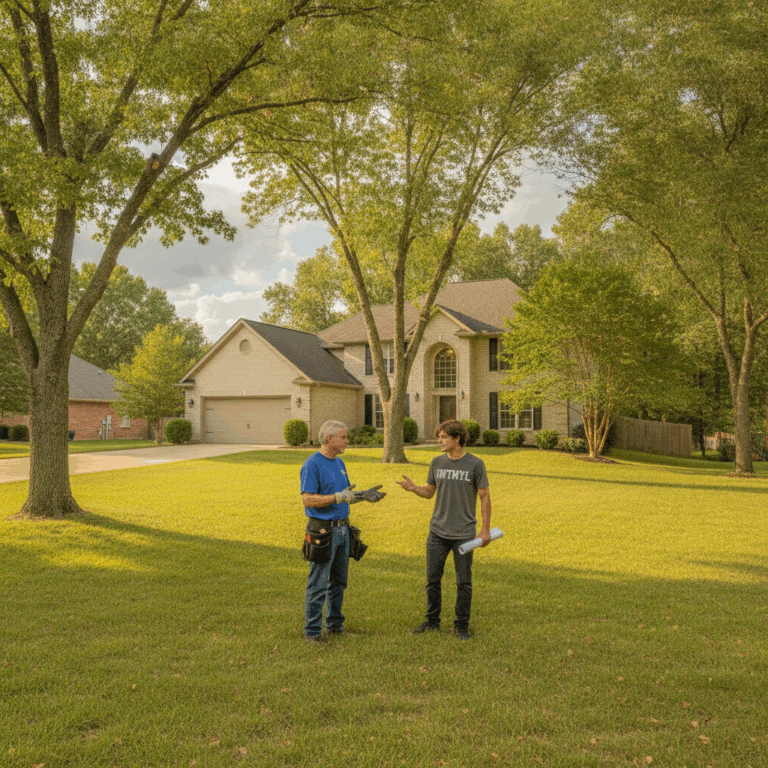
Check in on neighbors this August. Walk the property. Look for branches, debris, and overgrowth. If maintaining the yard has become difficult, volunteer support is free and available.
Volunteers can sign up here to offer yard care relief in their community. Those seeking help can also connect through the same site. For a more interactive way to engage, try the MOW app, which gamifies volunteering and makes organizing community care simple and rewarding.
August is the refresh window. Don’t let it close.
Downloadable Template