Yard Work as Healing: How Garden Therapy Supports Veteran Mental Health
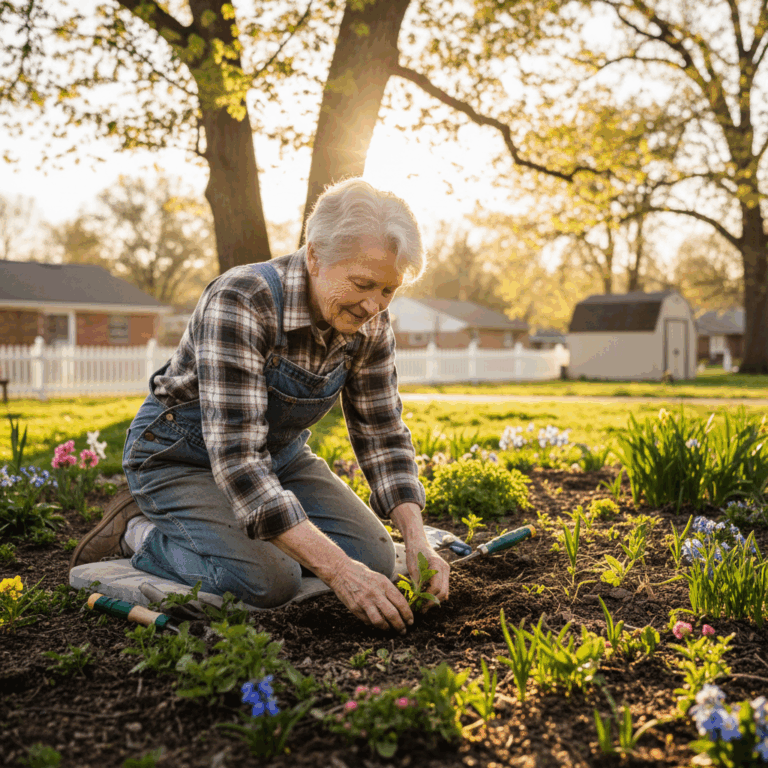
When a veteran steps outside on a spring morning to turn soil, plant seeds, or tend growing plants, something shifts. The repetitive motions ground attention in the present moment. The sensory experience—soil between hands, warmth of sun, smell of earth—pulls focus away from worry and intrusive thoughts. What feels like simple yard work is actually one of the most accessible forms of therapy available.
April brings longer days and warming weather. It’s the season when many people feel called outdoors. For veterans managing mental health challenges, this seasonal shift can be an opening—a chance to engage in activity that research increasingly shows supports healing and resilience.
Why Yard Work Matters for Veterans
The mental health needs among veterans are significant. According to the RAND Center for Military Health Policy Research, fewer than half of veterans who need mental health care actually receive it. Among those who do, less than one-third get evidence-based treatment. Traditional therapy isn’t accessible or appealing to everyone, which is why alternative approaches deserve attention.
Gardening and yard work offer something different. The U.S. Department of Veterans Affairs recognizes that doing something as simple as yard work or gardening can help veterans cope during times of stress. A 2024 meta-analysis published in research on gardening’s impact on well-being found that gardening positively affects depression and anxiety symptoms, stress, mood disturbance, and cognitive functioning.
The benefits extend beyond mental health. Yard work and gardening provide low-impact exercise that improves strength, flexibility, and coordination—adaptable to each veteran’s physical abilities. They require focus and attention to detail, keeping the mind engaged. And they create natural opportunities for social connection in community gardens, neighborhood projects, or simply working alongside neighbors.
The Science Behind Mindfulness in the Garden
Gardening naturally anchors people in the present moment. Watering plants, pulling weeds, or planting seeds demands full attention. This mindful engagement interrupts cycles of worry and overthinking, helping people feel more grounded and calm. The garden also connects individuals to natural rhythms—planting in spring, growth through summer, harvest in autumn, dormancy in winter. This alignment with larger cycles fosters a sense of continuity and belonging to something beyond oneself.
For veterans managing trauma or transition, this grounding can be profound. The sensory experience of gardening—colors, textures, scents—stimulates the senses and promotes present-moment awareness. Designing and nurturing a garden provides a creative outlet for emotions that may be difficult to express in other ways.
Getting Started This Spring
Yard work and gardening don’t require experience or perfect conditions. A few practical starting points:
- Choose a location: Find a spot with at least six hours of sunlight and access to water. Limited space? Raised beds, containers, or vertical gardens work well.
- Select beginner-friendly plants: Kale, chard, cherry tomatoes, lettuce, and green beans are forgiving crops that reward effort with visible results quickly.
- Gather basic supplies: Soil, seeds or seedlings, watering tools, and gloves are all that’s needed to begin.
- Connect with others: Community gardens, local workshops, or neighborhood volunteers can provide guidance, tools, and companionship.
The point isn’t perfection. It’s engagement, presence, and the quiet satisfaction of tending something that grows.
Yard Work as Neighborly Support
Not every veteran can manage yard work alone—whether due to physical limitations, time constraints, or the weight of what they’re managing. This is where community shows up. Volunteers across the country are connecting with veterans to help with lawn care and yard maintenance as a form of practical support. This isn’t professional contracting; it’s neighbors recognizing that maintaining a yard shouldn’t become an additional burden during recovery.
For veterans, having help with yard work can remove a barrier to stepping outside and engaging in gardening or healing time. A maintained yard becomes an invitation rather than a source of stress—a place where focus can shift to planting, tending, and reconnecting rather than catching up on chores.
The Bigger Picture
Yard work and gardening are tools. They’re not substitutes for professional mental health care, but they’re valuable additions to a holistic approach to wellness. They’re accessible, low-cost, adaptable, and grounded in growing evidence about their therapeutic value.
This April, as the season invites people outside, veterans and neighbors alike can find healing in simple acts of yard care and cultivation. For those looking to support this work, community connection matters—whether that’s helping a veteran maintain a yard, sharing gardening knowledge, or simply recognizing that yard work is never just about the lawn.
How to Help
Volunteers are connecting with veterans and older adults in all 50 states to provide free lawn and yard care relief. This support removes barriers so people can focus on healing, rest, and recovery. Interested in volunteering? I Want To Mow Your Lawn matches helpers with neighbors who need support. Volunteers can also connect with others making a difference through the MOW app, available to download from the App Store.
Downloadable Template