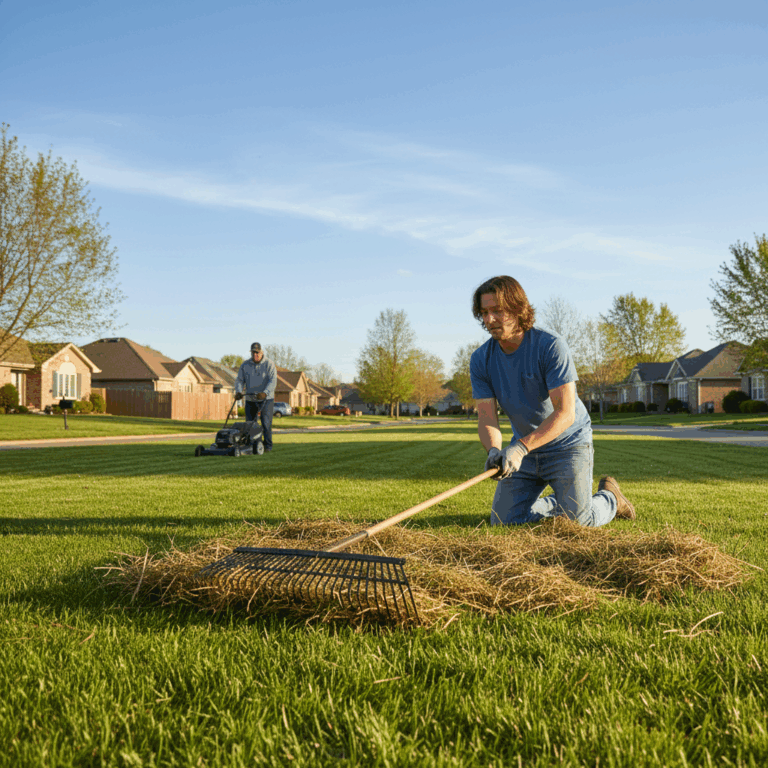
The Saturday Morning Opportunity
Saturday morning. Coffee in hand, grass still wet with dew, the neighborhood quiet enough to hear birds. For millions of homeowners across the country, this is the moment when yard work feels less like a chore and more like a chance to reset.
April is the perfect time for that mindset. Spring is the critical 8–10 week window that determines lawn density for the entire year. The work done—or not done—this month will ripple through every season that follows. The good news: most of the tasks are simple enough for a weekend warrior, require minimal equipment, and deliver real results.
But there’s something else worth thinking about as the season kicks off. Not everyone can do this work. For older adults managing mobility challenges, for veterans recovering from injury, for neighbors facing financial strain or physical limitations—yard work isn’t a Saturday morning opportunity. It’s an obstacle. That’s worth remembering as these projects unfold.
What to Tackle in April
The First Mow Matters
Timing is everything. Mow when grass reaches about one-third taller than your target height. For cool-season grasses (the majority across the northern U.S.), that usually means the first cut in late March or April at 3 inches. For warm-season grasses in the South, wait until active green-up, typically April in Zones 7–8.
Before you start: Sharpen your blade. A dull blade tears grass instead of cutting it cleanly, inviting disease and stress. It’s the single most impactful maintenance task most people skip.
And resist the urge to cut short. Mowing too short (cutting below 2.5 inches) exposes soil, promotes weeds, and stresses grass. Cool-season lawns thrive at 2 to 3 inches—certain species like turf-type tall fescue perform better at 3 to 4 inches.
Dethatching: The Reset Button
Winter leaves a mat of dead grass and debris (thatch) that blocks sunlight, water, and nutrients from reaching the soil below. A good fan raking in April removes that layer and signals the start of the season.
This is one of the most satisfying DIY tasks—visible progress in a few hours, and your lawn immediately looks fresher. Timing depends on region: April works well in many northern and central areas where lawns are just coming out of dormancy. In warmer, more southern areas, late January is better, so adjust accordingly.
Crabgrass Prevention: The Preemptive Strike
Crabgrass germinates when soil temperatures stay above 55–60°F for a few consecutive days. In Central Illinois and similar climates, April 1 is a solid target for applying pre-emergent control measures. Most products last 4–6 weeks, so a mid-May application (around Mother’s Day) is also recommended to catch late germinators.
Check your local soil temperature before you buy anything—that’s the real trigger, not the calendar date.
Native Plants and Pollinator-Friendly Choices
If the budget and energy allow, consider native plantings. Native gardening practices require less fertilizer and pesticides, naturally keep away invasive insect species, and attract natural pollinators while reducing air pollution. It’s a small shift with outsized environmental impact.
The Bigger Picture: When DIY Isn’t Realistic
About 49% of consumers do all the work on garden and yard projects themselves, and that percentage reflects a truth: some people have the time, strength, and resources to maintain their yards. Others simply don’t.
An older adult living on a fixed income. A veteran managing chronic pain from service-related injury. A neighbor working two jobs with no buffer for unexpected yard maintenance. These aren’t edge cases—they’re common situations in virtually every community.
For folks in those positions, spring yard work can feel paralyzing rather than energizing. Overgrowth creeps in. Code violations follow. The yard becomes a source of shame instead of rest.
The Volunteer Angle: How Saturday Mornings Can Extend Beyond Your Own Yard
Here’s where the broader neighborhood comes in. I Want To Mow Your Lawn is a nationwide 501(c)(3) nonprofit that connects 1,800+ volunteers across all 50 states with older adults, veterans, and neighbors who need free lawn and exterior home care relief. The organization operates on a simple principle: temporary help, dignified service, no strings attached.
For volunteers, it’s an extension of the Saturday morning instinct—that desire to get outside, do solid work, and see a tangible difference. For neighbors in need, it’s relief during a critical season when yard care becomes impossible rather than optional.
The spring window is especially important. Just as April determines lawn density for the entire year, early seasonal help can prevent the cascade of problems that follow neglect. A single volunteer visit in April—dethatching, first mow, crabgrass prevention setup—can reset the entire year for someone who can’t do it alone.
Your Checklist for April
- Check soil temperature (aim for 55°F for 3–5 consecutive days).
- Sharpen your mower blade before the first cut.
- Do the first mow at proper height (2–4 inches depending on grass type).
- Rake or dethatch to remove winter buildup.
- Apply crabgrass pre-emergent if soil temps trigger it.
- Scout for bare patches that might need overseeding.
- Consider native plantings for pollinator support.
- Look around your neighborhood. Is there someone whose yard looks overwhelming? Mention IWTMYL.
The Point
April is the perfect month for DIY lawn work—the weather is mild, the work is manageable, and the payoff lasts all season. But it’s also a good month to remember that not everyone gets to enjoy that Saturday morning satisfaction. Some folks need help, and that help matters most right now.
Whether the goal is to tackle your own yard or to volunteer for a neighbor’s, spring is the moment. The grass is listening. So are the communities that could use an extra set of hands.
Want to volunteer? I Want To Mow Your Lawn connects neighbors with neighbors who need lawn care support. Find a volunteer opportunity near you—or if you’d like a hands-on preview, try the MOW app, available at the App Store and Google Play. One Saturday morning can change someone’s entire season.
Printable Guide