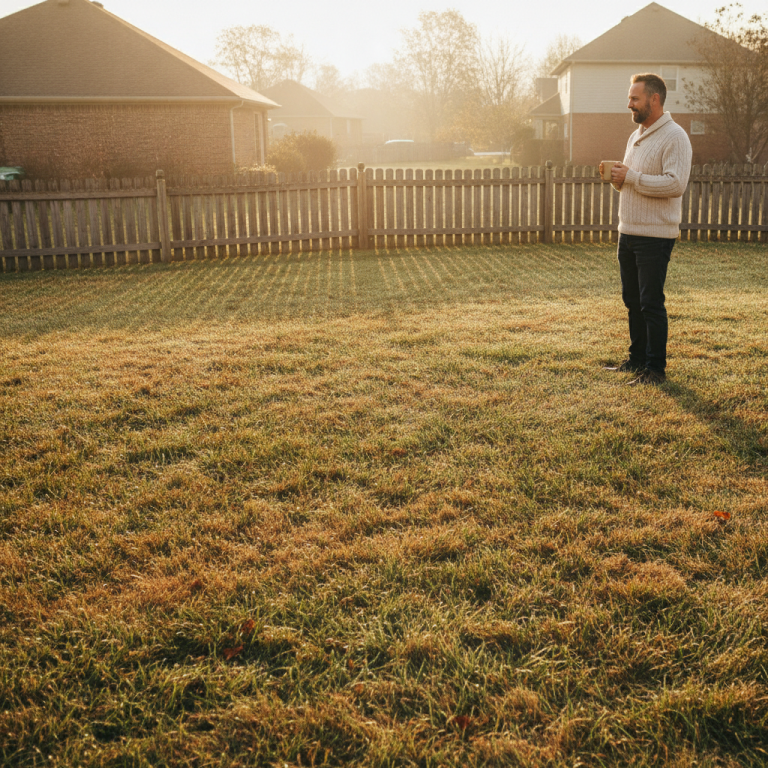
Late Summer Lawn Recovery: What Grass Really Needs Right Now
July 4, 2026 · I Want To Mow Your Lawn
Late Summer Lawn Recovery: What Grass Really Needs Right Now
By mid-July, a lot of lawns across the country are turning brown, thinning out, or simply looking exhausted. It’s not laziness on the grass’s part—it’s a deliberate survival strategy. Understanding what’s happening underground makes all the difference between recovery and deeper damage.
The Heat Stress Reality
When soil temperatures climb above 75°F and rainfall drops below half an inch per week, cool-season grasses (the most common in the northern two-thirds of the U.S.) shift into protective dormancy. This isn’t failure. It’s the plant’s way of conserving energy and root reserves to survive the heat. Heat stress signs can appear within days of temperatures climbing above 75°F.
When surface grass temperatures reach 100°F on an 80°F day—which happens regularly in summer—mowing that lawn instantly spikes the surface temperature to 115–120°F. That’s additional trauma a stressed plant simply cannot handle.
There’s another risk: heat-stressed lawns lose their ability to resist fungal disease. Summer patch, a fungal disease that thrives in late July and August, colonizes roots in spring but reveals itself when the plant is weakened by heat. Mowing a weakened lawn opens wounds and invites infection.
What Late Summer Lawns Actually Need
Hold off on mowing. If the lawn is dormant or visibly stressed, skip the mower. Let the grass focus entirely on root survival. Raise the mower height if you must cut, but less frequently is better.
Water deeply, not often. Frequent, shallow watering creates a false sense of recovery and depletes root reserves with each cycle of dormancy and rehydration. If watering is possible in your area, do it less frequently but more deeply—encouraging roots to grow down rather than spread out looking for moisture near the surface.
Avoid the stop-start trap. A few days of rain followed by weeks of drought, then watering for two days, then drought again—this cycle is more damaging than consistent dormancy. Each transition in and out of dormancy drains the plant’s stored energy.
Leave it alone otherwise. Foot traffic, fertilizer applications, and aeration all stress a dormant lawn further. Late summer is not the time for lawn projects—it’s the time for patience.
Recovery Begins in Fall
The real work of lawn recovery happens in late August and September, when cooler nights and fall rains allow cool-season grasses to break dormancy and grow strong root systems before winter. For now, the goal is simply to keep that root system alive.
This understanding matters beyond individual yards. For older adults managing large properties, veterans dealing with physical limitations, and neighbors facing financial hardship, the stress of an overgrown or struggling lawn compounds during summer heat. Yard care shouldn’t add worry during an already difficult season.
When Neighbors Need Help
If a neighbor’s yard is looking rough right now, the kindest thing isn’t pressure-washing or aggressive weeding. It’s keeping an eye out for safety hazards—overgrown vegetation near walkways, branches blocking sight lines—and offering practical support when recovery season arrives in fall.
I Want To Mow Your Lawn connects 1,800+ volunteers across all 50 states with older adults, veterans, and neighbors who need temporary yard care relief. Late summer is peak season for requests, because heat and drought make yard work dangerous and exhausting. Whether it’s relief during the hottest weeks or preparation for fall recovery, volunteers offer a tangible way to ease the burden.
If you’re looking for ways to help during peak season, volunteering is straightforward. For those who want to stay connected to the movement, the MOW app lets supporters see real stories of community care in action—play for free or download from the App Store.
Your lawn doesn’t need perfection right now. It needs patience. And if a neighbor needs relief, that’s exactly what IWTMYL volunteers are here for.
Late Summer Lawn Triage: Specific Techniques for Stressed Grass Recovery
Beyond “don’t mow”—here’s the exact watering depth, timing, and post-dormancy strategies pros use to bring heat-stressed lawns back. Plus: how to spot fungal disease before it spreads.
Watering Strategy: Depth Over Frequency
If conditions allow irrigation during late summer dormancy, the goal is deep, infrequent watering rather than daily sprinkling. Water to a depth of 6–8 inches once every 7–10 days, rather than 1–2 inches daily. Use a soil probe or screwdriver to measure how deep the moisture penetrates. This encourages roots to grow downward in search of water, creating a deeper, more drought-resilient root system for fall recovery.
In areas under water restrictions, skip supplemental irrigation entirely. A dormant lawn can survive 4–6 weeks without permanent damage, provided the initial dormancy is consistent—not interrupted by a few days of water followed by weeks of drought.
Mowing Guidelines If You Must Cut
If foot traffic, aesthetics, or HOA requirements demand some mowing, follow these rules:
Raise the blade to 3.5–4 inches (higher than normal spring/fall mowing).
Mow only once every 10–14 days, not weekly.
Mow in early morning or late evening, never midday when surface temperatures are peak.
Use a sharp blade to minimize plant shock—a dull blade tears rather than cuts, opening pathways for disease.
Never mow a visibly wilted or completely dormant lawn. If it looks brown and thin, leave it alone.
Spotting and Preventing Summer Patch
Summer patch appears in mid-to-late July and August as circular patches of dead or thinning grass, often 2–6 inches in diameter. The edges may show a reddish or purple ring. This fungal disease colonizes grass roots in spring but doesn’t show symptoms until heat stress weakens the plant.
To reduce risk: avoid nitrogen fertilizer applications in late summer (nitrogen promotes tender new growth that’s more susceptible to fungal invasion), maintain consistent soil moisture without overwatering, and improve soil drainage if possible. If patches appear, prune back nearby vegetation to increase air circulation, but avoid fungicide applications unless the problem is severe—stressed lawns benefit more from recovery time than chemical intervention.
The Fall Recovery Window (Late August–October)
Once nighttime temperatures drop below 75°F—typically mid-to-late August in northern regions—cool-season grasses break dormancy and enter their strongest growth period. This is when real recovery happens:
Apply a light nitrogen fertilizer in late August or early September to fuel new growth.
Overseed thin or bare patches with quality seed suited to your region—fall seed germinates quickly in cool, moist conditions.
Perform core aeration if soil compaction is visible, to improve water and nutrient penetration.
Begin regular mowing again once growth resumes, returning to a 2.5–3 inch cutting height.
Common Mistakes to Avoid
The cycle trap: Watering for 3–4 days during a heat break, then stopping when temperatures climb again. Each dormancy cycle drains reserves. Commit to either consistent light watering or no watering—not alternating patterns.
Over-fertilizing heat-stressed grass: Nitrogen applied in July or August stimulates growth the plant cannot support. Save all fertilizer applications for fall recovery.
Ignoring shade and soil: If a patch of lawn is repeatedly stressed, it may be in the wrong location (too much sun, poor drainage, compacted soil). No mowing technique will fix a fundamentally unsuitable spot. Consider shade-tolerant seed or even a ground cover alternative for those areas.
Why This Matters for Community Care
Understanding late summer lawn stress isn’t just about aesthetics—it’s about preventing safety hazards and easing the burden on neighbors who can’t manage intensive yard work during peak heat. An older adult or veteran in a hot climate shouldn’t be forced to choose between yard maintenance and heat exhaustion. Knowing that dormancy is normal, that patchy grass doesn’t indicate failure, and that recovery happens in fall allows both neighbors and volunteers to focus care where it counts: keeping properties safe and manageable during the hardest season.
Support our foundation to unlock this resource
A donation of any amount unlocks all bonus guides, templates, and deep dives for 30 days.
100% goes toward connecting volunteers with neighbors in need.
Choose your donation amount
$
Choose how to donate:
I Want To Mow Your Lawn Inc. is a 501(c)(3) nonprofit and registered charity with PayPal Giving Fund. EIN: 85-3447661. Your donation is tax-deductible.
Have a group?Organize a Community Service Day — we'll match your team with neighbors who need help.
Want to help us reach more neighbors?Our Marketing Toolkit has copy-ready posts, press materials, and flyers you can share in five minutes.