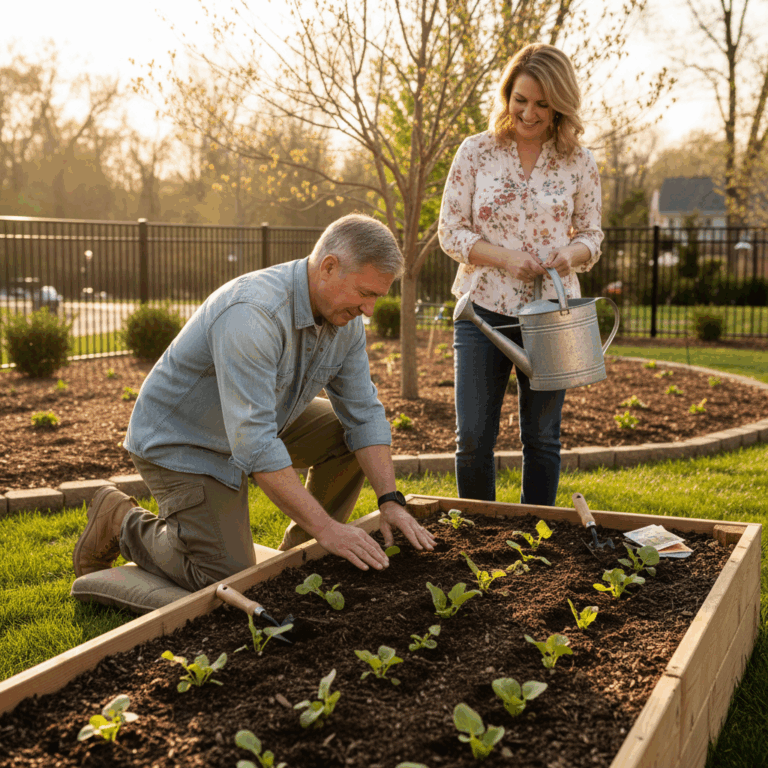
How Yard Work Heals: Understanding Garden Therapy for Veterans
A veteran returning home faces more than just unpacking boxes. The transition from military structure to civilian life—with all its silence and space—can feel disorienting. Some find that stepping outside to tend a garden or work in the yard becomes one of the first genuine moments of peace in weeks.
This isn’t accidental. The connection between yard work and mental health recovery is real, measurable, and increasingly documented in clinical settings. For veterans managing stress, isolation, or the weight of transition, garden therapy has emerged as a quiet but powerful tool for healing.
What Garden Therapy Actually Does
Garden therapy—structured work in gardens or yards with therapeutic intent—engages both mind and body in ways that traditional talk therapy sometimes cannot. When a veteran plants seeds, mows a lawn, or builds a raised bed, they’re not just moving their body. They’re engaging in purposeful work with visible results, establishing routine, and often working outdoors in natural light.
The research backs this up. A study of veterans with suicide history showed horticultural therapy demonstrated immediate improvements in stress, pain, mood, and loneliness after each session. Another 5-week pilot program showed significantly lower depression and stress scores among participants. Horticultural therapy has been associated with a 12% reduction in stress hormones and improved quality of life scores.
The benefits come from multiple angles at once: the physical activity, the focus required, the outdoor environment, the tangible progress, and often—if a yard is maintained alongside others—the human connection.
Why This Matters Right Now
In 2023, 6,398 veterans died by suicide. That’s an average of 17.5 per day. Even more stark: 61% of veterans who died by suicide were not receiving VA health care in the final year of their life.
This gap matters. It means many veterans fall between formal support systems and informal community care. It’s in that gap that simple, accessible interventions like yard work and gardening become lifelines.
The Veterans Healing Harvest Garden at a VA Medical Center demonstrates what’s possible: the program has produced 1,233 pounds of fresh food for food-insecure veterans while providing ongoing wellness support. Similar programs across VA campuses are combining paid job training in agriculture with mental health programming, showing that yard and garden work can serve multiple healing purposes at once.
April is Prime Time
Spring brings natural momentum. Seeds are going in, soil is warming, the days are noticeably longer. For a veteran whose yard has been neglected or overwhelming, April offers a practical entry point: the weather is cooperative, there’s community energy around outdoor projects, and the visual transformation happens quickly.
This is when neighbors—and organized volunteer efforts—can step in with real timing. Helping a veteran tackle yard cleanup or set up a garden bed in spring isn’t just aesthetics. It’s removing a barrier to healing. It’s creating space (literally) for routine, for growth, and for daily moments outdoors.
What Neighbors Can Actually Do
Garden therapy doesn’t require a therapist present. It requires time, basic tools, and often just another person nearby. A volunteer who helps a veteran clear an overgrown yard, set up raised beds, or establish a simple planting schedule is enabling therapy—even if no one uses that word.
Practical help looks like:
- Spring cleanup: Removing debris, fallen branches, and overgrown areas so the yard feels manageable again.
- Raised bed setup: Building or installing raised beds that are easier to maintain and require less bending.
- Seasonal planting: Starting a simple vegetable or flower garden tailored to the veteran’s climate and ability level.
- Basic maintenance systems: Setting up a simple watering schedule or tool organization so ongoing care feels less overwhelming.
- Regular check-ins: Returning periodically to maintain the space—turning one-time help into sustained relief.
None of this requires professional landscaping skills. It requires showing up, knowing basic yard work, and understanding that what looks like lawn care is actually part of recovery.
The Ripple Effect
When a veteran’s yard is cared for, something shifts. The home becomes more inviting—to family visits, to neighbors, to the veteran themselves. Stepping outside becomes less of a chore and more of a refuge. Routine establishes itself. And on hard days, there’s concrete evidence of growth: a plant that’s thriving, a space that’s cleared, work that was done.
That matters more than it might sound.
Getting Involved
Volunteers across all 50 states are already connecting with veterans and older adults who need lawn and exterior home care relief. IWTMYL matches neighbors with neighbors, turning yard work into community care.
If this resonates—if the idea of helping a veteran step outside into a manageable, healing yard feels important—there’s a direct way to help. Join as a volunteer to find neighbors in your area who need support. Volunteers can also explore the MOW app (available on the App Store) to coordinate and track projects.
Yard work is simple. Healing is complex. But sometimes they’re the same thing.
Downloadable Template