The Summer Reality
August arrives, grass grows thick, and the thermometer climbs. For an older adult who has mowed their own lawn for decades, the routine feels non-negotiable. But this summer, heat advisories are flashing across the map, and the physical demands of yard work in extreme temperatures carry real risks that families often don’t anticipate until it’s too late.
The conversation about asking for help with lawn care doesn’t happen naturally. It requires planning, empathy, and a clear understanding of why the risk matters. This guide is designed to help families talk through it together.
Why This Conversation Matters Right Now
The numbers are stark: more than 80 percent of heat-related deaths in the United States occur in people over age 60. Heat kills more people annually than floods, tornadoes, and hurricanes combined. And the risk isn’t abstract—it’s tied directly to physical exertion in the sun.
Older adults face particular vulnerability during heat exposure. The body’s cooling systems naturally work less efficiently with age. Older adults don’t adjust as well to sudden temperature changes, are more likely to have chronic conditions that affect temperature regulation, and often take medications that interfere with the body’s ability to cool itself. Add physical exertion—pushing a mower in 95-degree heat—and the risk compounds quickly.
Beyond heat illness, there’s fatigue, dehydration, and the simple fact that older bodies tire faster. A task that once took an hour now takes longer. The sun feels more intense. The risk of falling, heat exhaustion, or worse becomes real.
Starting the Conversation
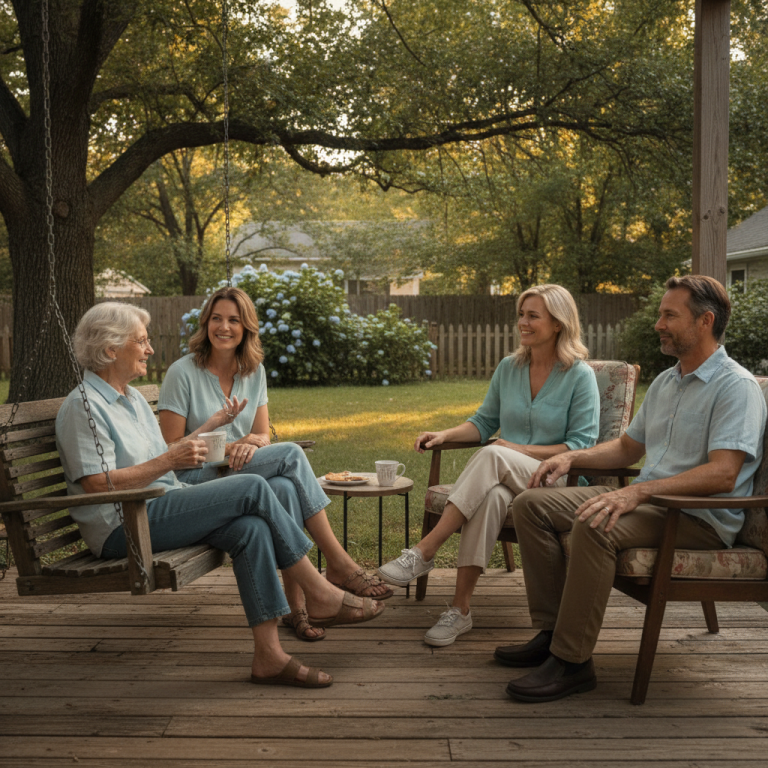
The key is approaching this with respect, not alarm. Older adults who’ve managed their own yards for years aren’t looking for pity or restrictions. They’re looking to maintain independence and dignity. A family conversation should acknowledge both concerns.
Lead with observation, not assumption. Notice patterns: Is mowing happening earlier or later in the day to avoid peak heat? Are breaks longer? Is there visible fatigue afterward? These aren’t criticisms—they’re signs that the person is already adapting. Acknowledgment opens the door.
Frame help as temporary relief, not permanent dependency. This matters emotionally and practically. Lawn care help during extreme heat months isn’t about losing control. It’s about smart seasonal management. Winter brings its own yard challenges; summer brings heat. Framing it this way preserves agency.
Offer specific, dignified alternatives. Rather than “Let us help,” try “Would it make sense to have someone handle the mowing during the hottest part of summer so you can focus on the things only you can do?” Or: “What if yard care help freed up your energy for gardening or time with family?”
Concrete options matter. Volunteer programs like I Want To Mow Your Lawn connect neighbors with free lawn care—no contracts, no commercial feel, just community members helping. The MOW app makes requests simple. These are real solutions to discuss.
The Health Facts Worth Knowing
Families benefit from understanding the specifics:
- Sweat rate declines with age. The body’s primary cooling mechanism becomes less efficient. Older adults don’t sweat as much or as effectively, which means heat builds up faster internally.
- Dehydration masks itself. Older adults often have a blunted thirst response—they may not feel thirsty even as their body is losing hydration. They won’t necessarily know they’re in trouble until symptoms are advanced.
- Heat perception changes. Research shows older adults struggle to accurately perceive how hard their bodies are working during heat exposure. Someone might feel fine while their core temperature is dangerously rising.
- Recovery takes longer. If heat-related illness does occur, older adults take longer to recover. A day in the sun that a younger person bounces back from could sideline someone for weeks.
Making It Practical
If the conversation leads to getting help, here’s what works:
Start with a pilot. One month of mowing help during the hottest part of summer isn’t committing to a year of dependency. It’s a trial. See how it feels. Adjust as needed.
Explore volunteer-based options first. I Want To Mow Your Lawn operates in all 50 states with over 1,800 volunteers. The model is built on neighbors helping neighbors, not transactional service. No contracts. No pressure. If someone qualifies and lives in an area with volunteer coverage, it’s free.
Consider timing strategically. Help during July and August might be the right fit. May through June and September might be manageable. Having flexible, temporary help beats the all-or-nothing thinking that keeps people from asking at all.
Keep the person involved. They can still oversee the yard, water plants, plan next steps. The help removes the physical burden, not the relationship someone has with their own space.
What If They Resist?
They might. Accepting help can feel like admitting limitation. That’s real, and it’s worth honoring. Rather than arguing, try: “I’m asking because I care about you and I’d worry less knowing yard work wasn’t part of your summer heat exposure.” Sometimes it takes more than one conversation. Sometimes the conversation happens after a close call.
The goal isn’t to override someone’s autonomy. It’s to offer a clear, dignified, practical option before something preventable happens.
Finding Help
If the conversation leads to action, help is available. Families and older adults can visit I Want To Mow Your Lawn’s website to explore volunteer options in their area, or use the MOW app to request care directly. The process is straightforward, and there’s no cost.
This summer, having the conversation early—before the hottest days arrive—gives families time to arrange help without stress. It’s a small step that can make a meaningful difference in safety and peace of mind.
Printable Guide