Shade Trees, Sun Exposure, and Grass Health: Understanding Your Yard’s Microclimate
July 27, 2026 · I Want To Mow Your Lawn
Shade Trees, Sun Exposure, and Grass Health: Understanding Your Yard’s Microclimate
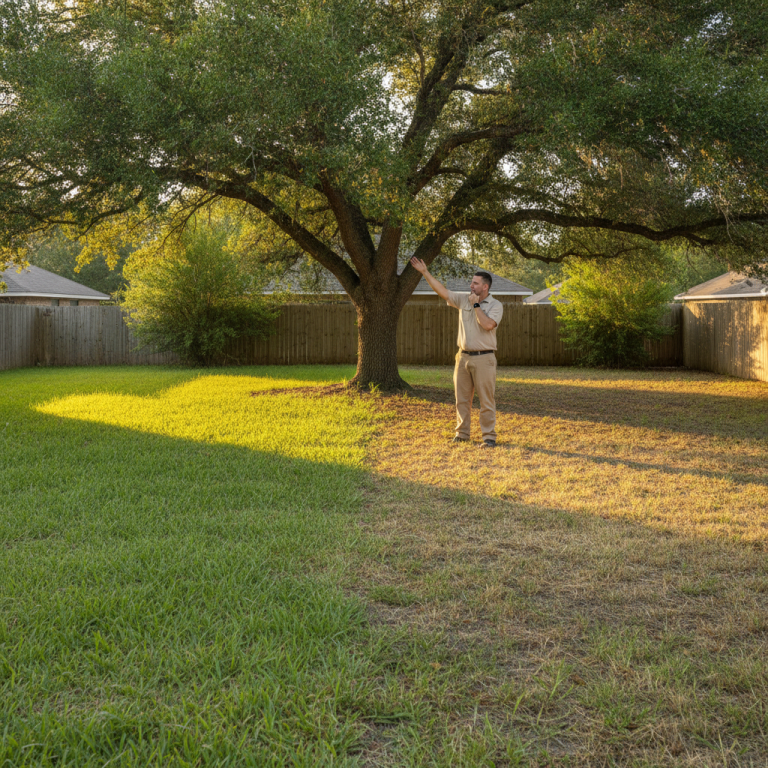
The neighbor’s front lawn is thick and green. The backyard, shaded by old oaks, is thin and patchy. The side yard that gets afternoon sun is burned out by August. Same street. Same soil. Same homeowner. Different results.
This isn’t a mystery—it’s a microclimate at work. And understanding how shade, sun direction, and local conditions shape grass health can transform how anyone thinks about yard care.
Not all sun is the same. Where the sun hits the yard matters:
Eastern exposure: Morning sun, less wind, typically moister soil.
Western exposure: Afternoon sun, hotter, windier, drier conditions—rough on tender grass.
Northern exposure: Shady much of the day, cooler and moister year-round.
Southern exposure: Warm and sunny even in winter, longer growing seasons, but warmer and drier soil.
A lawn in the path of afternoon western sun faces heat stress that morning sun never creates. The soil dries faster, evaporation is higher, and grass blades are more likely to go dormant or thin out by midsummer.
But shade trees come with a trade-off: grass needs light. Most grasses require a minimum of 4–6 hours of direct sun per day to grow thick and healthy. Dense shade makes that nearly impossible. Grass under heavy tree cover often thins out, becomes vulnerable to disease, and gets outcompeted by moss and weeds.
Trees also reduce rainfall reaching the soil—the canopy catches water and dries it before it hits the ground. This combination of less light, less water, and cooler soil creates an environment where standard lawn grass struggles.
What to Do About Shady Spots
The best approach isn’t to fight the shade; it’s to work with it:
Choose shade-tolerant grasses. Fine fescues and certain shade blends are bred to handle low light better than Kentucky bluegrass or perennial ryegrass.
Thin the canopy if possible. Selective pruning of lower branches on trees lets light in while keeping the cooling benefit of the shade.
Accept less density under trees. Thinner grass in shade is often healthier than stressed grass trying to grow where it can’t thrive.
Consider alternatives. Shade-tolerant groundcovers, mulched planting beds, or shade gardens can turn a struggling lawn into a intentional landscape feature.
Improve drainage and air circulation. Shaded areas tend to stay wet longer, which encourages fungal issues. Remove debris, rake gently, and ensure air can move through.
The Reality of Yard Work in Varied Microclimates
For older adults, veterans, and neighbors managing yards alone, understanding microclimates makes the difference between success and frustration. A lawn that’s failing in one spot may not be failing because of poor care—it may simply be in a microclimate where that grass type was never going to thrive.
That’s where volunteer support becomes crucial. Volunteers with IWTMYL don’t just mow; they recognize these patterns, offer realistic guidance, and help neighbors make decisions based on what their yard can actually support.
The patchy backyard lawn isn’t a failure. It’s a sign that the yard is telling its own story about sun, shade, moisture, and time. Understanding that story is the first step to working with the land instead of against it.
The Shade Grass Playbook: Practical Techniques for Low-Light Lawns
Dense shade doesn’t mean dead grass—it means different grass. Learn the specific techniques to assess your yard’s light levels, choose the right shade-tolerant varieties, and execute pruning and soil strategies that actually work. Plus: when to give up on grass and embrace a better solution.
Measuring Light in Your Yard
Before buying seed or making changes, know what you’re working with. Observe your yard throughout the day. Mark areas that get morning sun, afternoon sun, and all-day shade. A simple rule: stand in the spot at solar noon (around 1 p.m. in summer). If you can’t read a newspaper without difficulty, it’s probably less than 4 hours of usable direct sun. If your shadow is sharp and distinct, you’re in full sun. If it’s soft and blurred, you’re in part shade. If there’s barely a shadow at all, it’s deep shade.
Use a smartphone app or light meter if you want precision. But honest observation over a week or two reveals more than a single measurement.
Selecting the Right Grass for Low Light
Not all grass is created equal. Cool-season grasses bred for shade include:
Fine fescues (creeping red fescue, chewing fescue, hard fescue): Best shade performance, lower mowing height, fine texture.
Shade-blend seed mixes: Usually a combination of fine fescues and perennial ryegrass, labeled “shade” or “woodland.” Read the label and choose one with at least 50% fine fescue.
Perennial ryegrass (shade varieties): Better than standard ryegrass but not as shade-tolerant as fine fescues.
Avoid Kentucky bluegrass and standard perennial ryegrass in deep shade—they’re full-sun grasses and will thin out no matter what you do.
Canopy Pruning: The Right Way
If shade is from a tree you own, selective pruning can help without removing the tree. Focus on:
Removing lower branches: Prune up from the ground to lift the canopy and let light in at grass level. Aim for a 10–12-foot crown clearance if the tree is mature.
Thinning, not topping: Remove thin, crossing, or dead branches throughout the canopy to increase light penetration without compromising tree structure. Never top a tree—it creates weak regrowth and damages the tree.
Making clean cuts: Use sharp tools and cut just outside the branch collar (the swollen area where the branch meets the trunk). Don’t leave stubs.
If the tree is large or valuable, hire an arborist. A few hundred dollars for proper pruning is cheaper than losing a mature shade tree or damaging its health.
Raking and removing leaf litter: Leaves smother grass and trap moisture. Rake in fall and spring. A thin layer is fine; thick mats are not.
Improving drainage: If puddles sit under the tree, aeration or adding soil to slope water away helps. Shade-tolerant grasses prefer moist soil, not waterlogged.
Avoiding heavy foot traffic: Compacted soil + shade = poor growth. If possible, create a path or use mulch in high-traffic areas instead of forcing grass to grow there.
Mowing height: Keep shade lawns slightly taller (3–3.5 inches) than sunny lawns. Longer blades capture more light and support stronger root systems.
When to Embrace Alternative Groundcovers
Some shade is simply too dense for any grass. In those spots, consider:
Shade-tolerant groundcovers: Pachysandra, creeping ivy, liriope, or ajuga create living cover with less maintenance than struggling grass.
Mulched woodland gardens: Plant shade-tolerant shrubs and perennials, mulch the base, and let it be a feature rather than a failed lawn.
Hardscaping: A permeable paver path or shade patio acknowledges the microclimate and creates usable space.
Connecting Knowledge to Community Care
Volunteers who understand microclimates can offer real guidance to neighbors. Rather than suggesting the neighbor “just needs better seed” or “mow more often,” a knowledgeable volunteer recognizes that deep shade is the issue—and helps the neighbor make a sustainable choice based on reality, not frustration. That conversation, and that help, is what turns a yard from a source of stress into something manageable and even pleasant.
Support our foundation to unlock this resource
A donation of any amount unlocks all bonus guides, templates, and deep dives for 30 days.
100% goes toward connecting volunteers with neighbors in need.
Choose your donation amount
$
Choose how to donate:
I Want To Mow Your Lawn Inc. is a 501(c)(3) nonprofit and registered charity with PayPal Giving Fund. EIN: 85-3447661. Your donation is tax-deductible.
Have a group?Organize a Community Service Day — we'll match your team with neighbors who need help.
Want to help us reach more neighbors?Our Marketing Toolkit has copy-ready posts, press materials, and flyers you can share in five minutes.