The Yard as a Conversation Starter
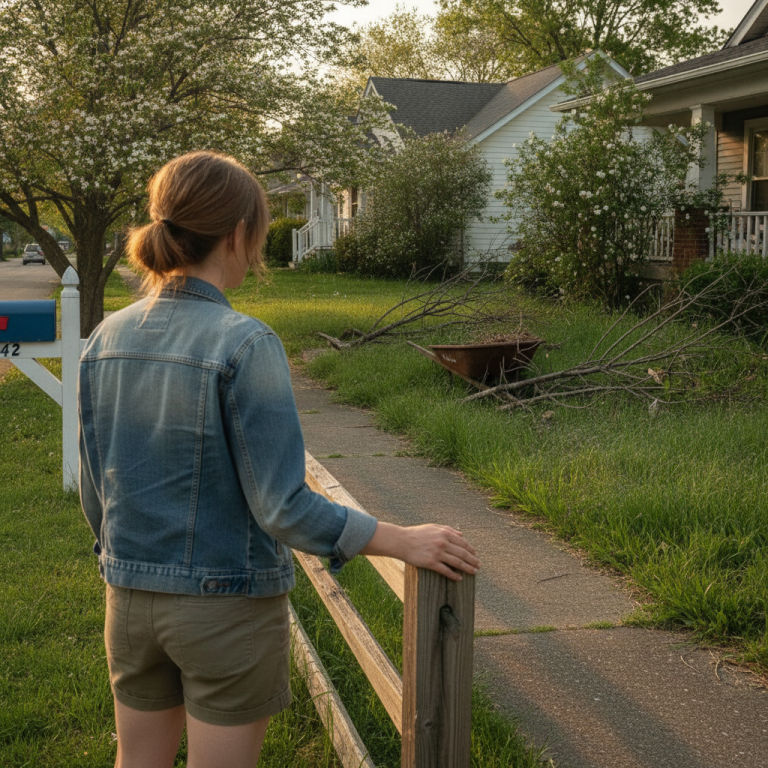
There’s a house on most blocks where the grass has gotten a little tall. Maybe the gutters are clogged with leaves. Perhaps the hedge has grown wild, or the flower beds have disappeared under weeds. It’s easy to drive past and think nothing of it. But that yard might be telling a story worth paying attention to.
A well-maintained property takes energy, flexibility, time, and sometimes money. When those things become scarce—or when a life change suddenly makes yard work impossible—the outside of a home becomes the first thing to slip. The good news: noticing these signs is the first step toward offering genuine, practical help.
Physical Changes That Signal Struggle
The most obvious indicator is a visible change from what the yard used to look like. If a neighbor’s lawn was always neat but has recently gone unmowed for several weeks, something has shifted. Age-related declines in physical capability can compromise a person’s ability to maintain their home—not because they’ve stopped caring, but because their body no longer cooperates the way it used to.
Other physical signals include:
- Overgrown trees or shrubs blocking windows or touching the roof. These require ladder work, which carries real fall risk.
- Dead branches or fallen limbs that haven’t been cleared. This often means mobility or strength has declined.
- Weeds taking over garden beds or creeping into cracks. Bending, pulling, and raking become harder with age or injury.
- Gutters filled with debris. This task requires balance, reaching, and sustained effort—a combination that becomes risky after a certain point.
- Grass that’s visibly uneven or patchy, suggesting the mower hasn’t been used in a while.
Life Circumstances to Consider
Sometimes the yard decline coincides with a visible life change. A neighbor recovering from surgery. An older adult moving in with family after losing a spouse. A veteran recently returned home. A neighbor dealing with a chronic health condition that flares unpredictably.
These transitions are often when yard maintenance stops being a priority—not because it doesn’t matter, but because everything else is demanding more attention. One in five older adults living alone are in poverty, which means professional lawn care may never be an option, even when help is needed most.
The Safety Angle
Beyond aesthetics, unmaintained yards create real hazards. More than 14 million adults age 65 and older report falling each year. Uneven ground, hidden roots, or scattered branches increase that risk. Heat exposure during outdoor work can be dangerous. Ladder work or using power tools carries injury potential, especially for those with declining balance or slower reflexes.
When someone stops maintaining their yard, they’re often protecting themselves—consciously or not—from a task that has become unsafe.
How to Reach Out (Without Overstepping)
Spotting the signs is one thing. Knowing how to offer help is another. Here’s what works:
Be direct and specific. “I noticed your grass has gotten pretty tall. Would you like help mowing it one afternoon?” is better than vague offers of help. It’s clear, non-judgmental, and easy to say yes or no to.
Assume dignity. Frame it as neighborly help, not charity. You’re offering a hand with a task, the same way neighbors have helped each other for generations. No pity. No drama.
Ask about barriers, not assumptions. Don’t assume someone can’t do the work themselves. Ask: “Is yard work getting harder to manage?” or “Can I help with anything outside?” Some people will open up; others will politely decline. Both responses are okay.
Follow through. If someone says yes, show up and do the work. No lectures about keeping the yard maintained. Just help, then leave.
What Happens Next
Not every neighbor needs ongoing yard care. Some need a one-time rescue after a storm. Others benefit from seasonal help—spring cleanup, fall leaf removal. A few might need regular support to stay safe and maintain the home they want to live in.
That’s where community comes in. I Want To Mow Your Lawn connects 1,800+ volunteers across all 50 states with older adults, veterans, and neighbors who need free yard and exterior home care relief. If a neighbor needs consistent help, volunteers can step in.
Spotting the signs is just the beginning. The next step is reaching out—not to judge or fix, but to notice that a neighbor might be struggling, and to offer the kind of practical help that lets someone stay in their own home, safe and dignified.
That’s what neighborly communities look like.
Printable Guide