Veteran Garden Therapy: How Yard Work Supports Mental Health Recovery
June 14, 2026 · I Want To Mow Your Lawn
Veteran Garden Therapy: How Yard Work Supports Mental Health Recovery
A veteran returning home from deployment faces more than just a change of scenery. The sudden loss of routine, purpose, and a tight-knit community can hit hard—sometimes harder than civilians realize. One moment, there’s structure, mission, and belonging. The next, there’s silence and civilian life.
But there’s something profound happening in gardens across the country. Veterans are discovering that yard work—tending soil, planting, maintaining outdoor space—offers more than just a cleaner property. It’s becoming a genuine path to healing.
The impacts go beyond mood improvement. Gardening reduces key suicide risk factors, improves cognitive function, lowers stress levels, and—critically—rebuilds community connection. For a population facing isolation, that social component is irreplaceable.
Why Yard Work Works for Veterans
Several factors make gardening and lawn care particularly effective for veteran mental health:
Structure and routine: Yard work requires planning, scheduling, and follow-through—mirroring the discipline veterans value.
Tangible progress: Unlike therapy conversations, yard work produces visible results. A mowed lawn, planted bed, or cleared space is concrete evidence of accomplishment.
Sense of purpose: Maintaining a home and yard creates responsibility and meaning—something many veterans miss after service.
Connection to community: Neighbors notice. They appreciate it. A well-maintained yard invites conversation and belonging, countering isolation.
Control and agency: After deployments where so much is dictated, yard work offers autonomy. A veteran can decide what to plant, when to mow, how to shape their outdoor space.
Barriers to Entry
Here’s the challenge: not every veteran can manage yard work alone. Physical injuries, limited income, transportation barriers, or simply being overwhelmed during recovery can make lawn care impossible to tackle independently. That’s where community support becomes crucial.
This is exactly why free lawn care relief matters. When volunteers show up to help maintain a yard, they’re not just cutting grass. They’re removing a stressor, opening the door for a veteran to engage with their outdoor space, and sending a powerful message: your home, your recovery, your well-being matters to us.
What Neighbors and Volunteers Can Do
Supporting veteran mental health through yard care doesn’t require expertise. It requires showing up:
Offer to mow, edge, or clear yard debris for a veteran neighbor.
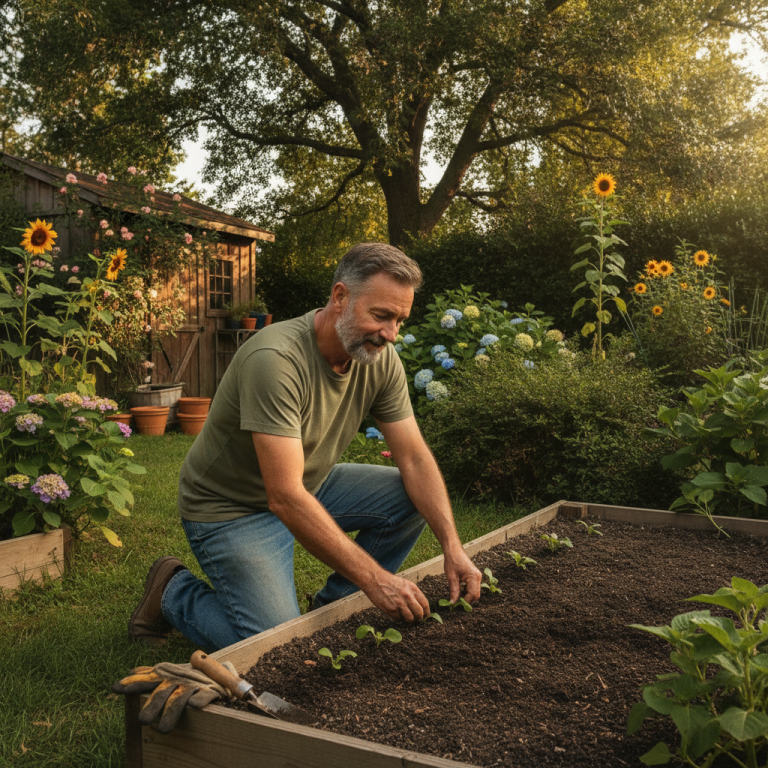
Help plant a small garden or raised bed—the therapeutic benefits multiply when they maintain it themselves.
Be consistent. Regular yard visits create predictable support and rebuild the sense of community.
Ask questions and listen. Yard work becomes a natural opening for conversation.
The Bigger Picture
Veteran mental health recovery isn’t solved by a single mowed lawn. But it’s not solved by therapy alone either. Recovery happens when multiple supports converge: professional care, medication when needed, peer connection, family involvement, and meaningful community engagement.
Yard work—and the neighbor who offers to help with it—is part of that constellation of support. It’s tangible, it’s visible, and it works.
Veterans have given so much. The community can give back in ways that are practical, healing, and rooted in the simple act of caring for home and neighborhood.
Get Involved
I Want To Mow Your Lawn connects over 1,800 volunteers across all 50 states with older adults, veterans, and neighbors who need free yard care relief. If there’s a veteran in your life who could use support—or if you’d like to become that volunteer neighbor—there are simple ways to help.
Join as a volunteer to offer yard care relief in your community. Or explore the MOW app to connect with neighbors who need help—or download it from the App Store to get started today.
Small gestures. Big impact. That’s how healing happens.
The Veteran’s Guide to Starting a Healing Garden: Practical Steps to Grow Purpose
Ready to build a garden that supports veteran recovery? This guide covers garden design basics, beginner-friendly plants, low-maintenance techniques, and how to create outdoor space that truly heals. Learn the pro tips that transform a backyard into a therapeutic sanctuary.
Designing a Therapeutic Garden: The Basics
A healing garden doesn’t need to be large or complicated. The goal is engagement, sensory experience, and manageable responsibility. Start with these principles:
Keep it accessible. Raised beds, container gardens, or waist-high planters eliminate the need to bend or kneel for long periods. Aim for beds 24–30 inches high and 3–4 feet wide for comfortable reach. Pathways should be wide enough for wheelchairs or walkers if needed.
Choose low-maintenance plants. Avoid plants requiring constant deadheading, staking, or fussy watering. Perennials like coneflowers, black-eyed Susans, daylilies, and sedums return year after year. Native shrubs adapted to your region need less water and fertilizer. Herbs like rosemary, oregano, and sage thrive with minimal fuss and reward effort with immediate sensory feedback (smell, taste, use).
Build in sensory elements. Gardens heal through sight, smell, touch, and sound. Include fragrant plants (lavender, roses), textured foliage (lamb’s ear, ornamental grasses), and water features (even a small fountain). These create a rich, calming environment that engages without overwhelming.
Beginner-Friendly Plant Picks
Start with hardy, forgiving species:
Perennials: Coneflowers, black-eyed Susans, coreopsis, daylilies, Russian sage, and sedum—all drought-tolerant once established.
Shrubs: Serviceberry, dwarf Alberta spruce, hydrangea, and butterfly bush provide structure and year-round interest.
Herbs: Basil, parsley, mint, oregano, and chives grow quickly and give immediate purpose (cooking, tea, gifting to neighbors).
Vegetables: Cherry tomatoes, zucchini, and peppers produce visibly within weeks—powerful motivation.
Native wildflowers: Check your local conservation district for native seed mixes. These support pollinators and require almost no maintenance once established.
Soil Prep and Basic Technique
Good soil is the foundation. Before planting:
Test your soil pH and nutrient levels through your local extension office (free or very low cost).
Amend with 2–3 inches of quality compost or aged manure worked into the top 6–8 inches of existing soil.
Mulch around plants with 2–3 inches of wood chips or shredded bark to retain moisture, suppress weeds, and reduce maintenance.
Water deeply but less frequently (about 1 inch per week for most plants) rather than daily shallow watering. This builds deep root systems.
Container Gardening for Maximum Flexibility
Containers work beautifully for veterans with limited mobility or space:
Use containers at least 12 inches deep for herbs and annuals; 18+ inches for perennials and small shrubs.
Fill with quality potting mix (not garden soil—too dense).
Group containers together for visual impact and easier watering.
Water containers more frequently than in-ground beds (daily in hot weather) since they dry out faster.
Rotate heavy containers onto wheeled bases for easy repositioning without strain.
A Realistic Maintenance Schedule
Healing gardens should reduce stress, not create new burdens. Establish a simple rhythm:
Spring: Prune winter damage, refresh mulch, plant annuals and new perennials.
Summer: Water during dry spells, deadhead flowers to encourage blooming, harvest herbs and vegetables.
Fall: Cut back perennials, plant spring bulbs, clean up debris.
Winter: Minimal work; focus on planning next season.
If mobility or energy is limited, simplify further: deadheading and watering only. Let nature do the rest.
Common Mistakes to Avoid
Overplanting: A small, well-tended garden beats an overwhelming sprawl. Start small; expand next year.
Wrong plant for the space: Mismatched light or water needs guarantee frustration. Know your site—sun, shade, drainage—before buying.
Skipping soil prep: Poor soil means struggling plants and wasted effort. Invest upfront in quality compost or amendments.
Watering inconsistently: New plants need regular moisture for the first season. Set a schedule and stick to it, or use soaker hoses on timers.
Neglecting pests until crisis: Inspect plants weekly. Early intervention is easier than fighting established infestations.
Connecting Garden Work to Community
A healing garden is even more powerful when shared. Harvest surplus vegetables or herbs and gift them to neighbors—it rebuilds connection and purpose. Invite a friend or family member to help plant or maintain; shared work deepens bonds. Post progress photos; let your community celebrate milestones with you.
Volunteers and neighbors can support this journey by helping with heavy lifting—soil amendment, bed construction, initial planting—and then checking in periodically. The veteran’s own hands do the healing work; community support removes barriers and builds accountability.
Yard care and gardening work best as a shared endeavor: professional or volunteer help with the labor, veteran engagement with the growth and purpose. That combination is where therapy becomes real.
Support our foundation to unlock this resource
A donation of any amount unlocks all bonus guides, templates, and deep dives for 30 days.
100% goes toward connecting volunteers with neighbors in need.
Choose your donation amount
$
Choose how to donate:
I Want To Mow Your Lawn Inc. is a 501(c)(3) nonprofit and registered charity with PayPal Giving Fund. EIN: 85-3447661. Your donation is tax-deductible.
Have a group?Organize a Community Service Day — we'll match your team with neighbors who need help.
Want to help us reach more neighbors?Our Marketing Toolkit has copy-ready posts, press materials, and flyers you can share in five minutes.