The Heat Is Getting Harder to Ignore
It’s June, and across much of the country, temperatures are already climbing. For the 1,800+ volunteers with I Want To Mow Your Lawn spreading across all 50 states, this is the season when lawn care work intensifies—and so do the risks that come with working outdoors in warming conditions.
The numbers are sobering. Heat-related deaths increased by 16.8% per year from 2016 to 2023, with 2023 marking not only the hottest year on record but also the deadliest. Extreme heat is now the leading weather-related cause of death in the United States, claiming more lives annually than hurricanes, floods, and tornadoes combined.
For volunteers doing physical work outdoors—mowing, clearing brush, raking, mulching—the risk is even more acute. Between 2011 and 2022, an average of 40 U.S. workers died annually from environmental heat exposure, while 3,389 experienced heat-related injuries and illnesses that required days away from work each year. And that’s just the recorded cases. Many heat illnesses go unreported or undiagnosed.
Understanding Heat Illness: It Happens Fast
Heat illness isn’t just about feeling uncomfortable. It’s a cascade of physical events that can turn serious in minutes.
When the body is working hard in a warm environment, it tries to cool itself by sweating and sending more blood to the skin. But if external heat and physical exertion are too high, the internal body temperature keeps rising faster than the body can shed it. Early warning signs include thirst, irritability, muscle cramps, and heat rash. But if cooling doesn’t happen, heat exhaustion can set in—dizziness, nausea, weakness, heavy sweating.
Heat stroke is the emergency. When heat stroke occurs, the body temperature can rise to 106°F or higher within 10 to 15 minutes, and the sweating mechanism fails. Heat stroke can cause permanent disability or death if the person does not receive emergency treatment.
The danger is real—and it’s preventable.
Practical Safety for Volunteers
Hydrate Before, During, and After
Thirst is not a reliable signal of dehydration, especially for volunteers concentrating on work. Drink water before heading out, even if thirst hasn’t kicked in yet. Bring more water than seems necessary. A good target is about 7–10 ounces every 10–20 minutes during active work in the heat. Cool water is better than ice-cold, which can cause cramping.
Start Early, Work Smart
The coolest part of the day is early morning. Whenever possible, schedule lawn care work before 10 a.m. or after 4 p.m. If that’s not feasible, take frequent breaks in the shade. A 15-minute break every hour is far better than pushing through continuous work in peak heat.
Dress for the Conditions
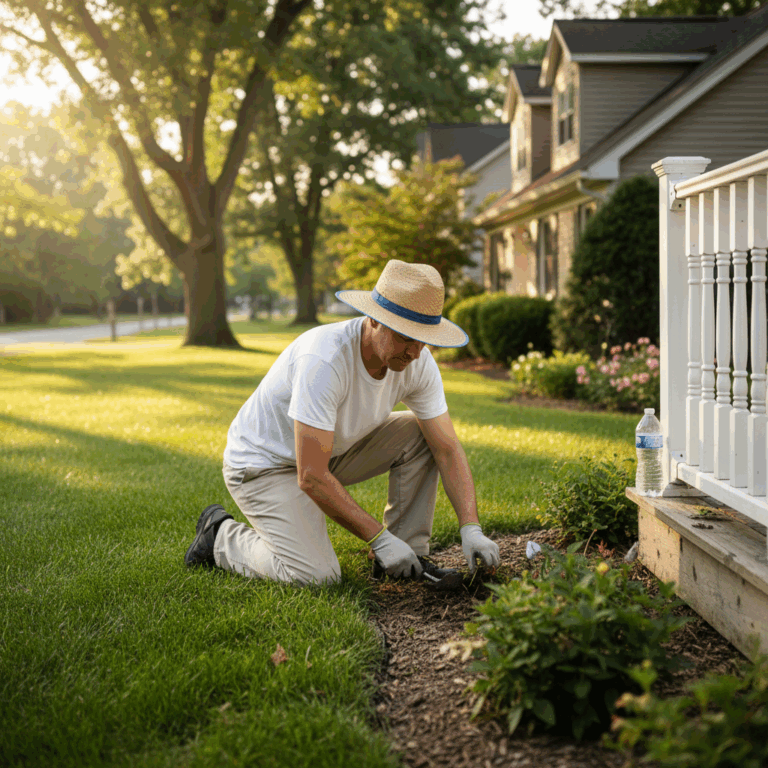
Light-colored, loose-fitting clothing reflects heat better than dark, tight clothes. A hat or visor keeps sun off the face and helps with heat regulation. Sunscreen protects skin and reduces heat stress on the body.
Know the Signs in Yourself and Others
Watch for dizziness, confusion, rapid heartbeat, or a sudden stop in sweating (which is a danger sign). If a volunteer feels off, it’s not weakness—it’s the body signaling a real problem. Stop work immediately, move to shade, and drink water. If symptoms don’t improve in 15 minutes or if someone becomes confused or loses consciousness, call 911.
Weather Matters—Check Before You Go
Heat waves don’t always announce themselves. Check the National Weather Service forecast before heading out. If a heat advisory or warning is in effect, consider rescheduling the volunteer visit if possible. Working during a designated heat event significantly raises risk.
Why This Matters for IWTMYL’s Mission
I Want To Mow Your Lawn exists to provide relief to older adults, veterans, and neighbors who can no longer manage yard work themselves. That relief only matters if the volunteers providing it stay safe and healthy.
Volunteers are neighbors helping neighbors—not contractors, not paid employees. They deserve the same care and attention to safety that any person working outdoors should receive. A volunteer who experiences heat exhaustion can’t help anyone. A volunteer who plans ahead, stays hydrated, and respects the heat can serve their community safely for years.
A Simple Starting Point
Heat safety doesn’t require complex gear or specialized training. It requires intention: bringing water, choosing timing wisely, recognizing warning signs, and knowing when to stop. For volunteers stepping out on a June afternoon to mow a neighbor’s lawn, these steps are the difference between a meaningful service day and a medical emergency.
Volunteers interested in joining IWTMYL can sign up to volunteer here. For a fun way to learn more about the organization and its impact, try the MOW app or download it from the App Store. And if heat safety questions come up before or during a volunteer shift, reach out directly—IWTMYL is here to support volunteers in doing this work safely.
Printable Guide