Seasonal Volunteer Calendar: What Each Month Looks Like for a Lawn Care Volunteer
Volunteering to help maintain a neighbor’s yard isn’t a one-size-fits-all commitment. Spring looks nothing like autumn. Winter presents its own set of priorities. And summer? That’s when the real momentum builds.
For volunteers with I Want To Mow Your Lawn (IWTMYL), understanding what each season brings—and what neighbors actually need during those months—makes the work more meaningful and more effective. This calendar breaks down the rhythm of yard care volunteering across the year, offering a realistic sense of what each month demands and where the greatest needs tend to surface.
Spring (March–May): Assessment and Foundation
Spring is when overgrown yards reveal themselves most visibly. Winter damage becomes apparent—fallen branches, bare patches, debris accumulated under melting snow. For many older adults and veterans, spring represents a pivotal moment: either they can get ahead of the growing season, or they fall behind for the whole year.
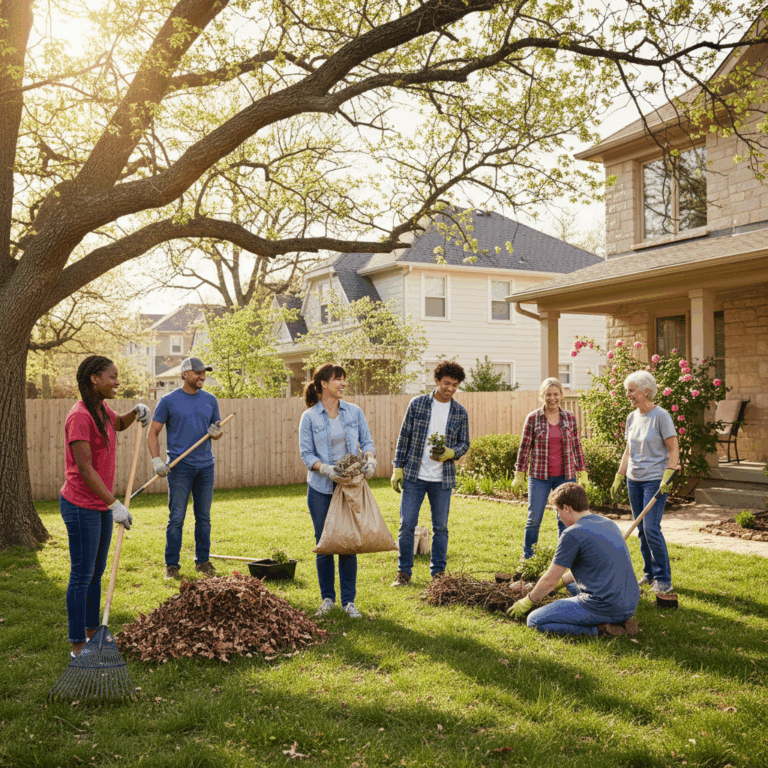
Volunteers in spring often start with cleanup and assessment. This means raking, removing winter debris, checking for hazards like uneven ground or root systems exposed under grass, and getting mowers ready after months of storage. Connecting with neighbors early in the season helps establish whether they’ll need regular support through the warmer months.
Spring is also when many municipalities begin enforcing yard maintenance ordinances. Proactive volunteer work in March and April can prevent code violations and fines—a concern that hits hardest on fixed incomes.
Summer (June–August): Peak Season and Regular Visits
Summer is the heartbeat of lawn care volunteering. Grass grows fastest, mowing frequency increases, and the window for outdoor work is largest. This is when IWTMYL’s 1,800+ volunteers across all 50 states are most active.
Regular summer visits—whether weekly or bi-weekly—create rhythm and reliability for the neighbors being served. For a volunteer, this means committing to a consistent schedule. It also means paying attention to heat safety, staying hydrated, and watching for signs that an older adult or veteran might be struggling with the heat itself, not just the yard.
Summer visits often expand beyond mowing: edge trimming, weed control, checking drainage (especially important after heavy rains), and general yard tidiness. These small details matter enormously to someone trying to maintain their independence and dignity in their own home.
Fall (September–November): Preparation and Leaf Management
Autumn brings a different challenge: falling leaves. For neighbors who can no longer manage yard work, fallen leaves create both aesthetic and practical problems. Leaves clog gutters, mat down grass, and hide potential hazards.
Fall volunteer work typically includes leaf raking, gutter cleaning (if safe and appropriate), and final mowing cycles as growth slows. Many volunteers in fall also help prepare yards for winter—removing dead growth, clearing drainage paths, and making sure the property is ready for the colder months ahead.
This is also an ideal time for volunteers to assess whether a neighbor will need additional winter support. Conversations about snow removal, branch monitoring, and storm debris happen in autumn, not when ice is already on the ground.
Winter (December–February): Safety and Maintenance
Winter presents different needs. In many regions, this means snow and ice management—tasks that carry serious safety risks for older adults. The CDC reports that more than 14 million adults age 65 and older fall each year, and winter conditions multiply that risk significantly.
Winter volunteering often focuses on snow removal, clearing pathways, removing fallen branches before they accumulate, and ensuring the yard remains passable and safe. In regions without heavy snow, winter is quieter—but still important for clearing storm debris, checking for hazards under dormant grass, and maintaining the property’s basic safety.
For some volunteers, winter is a natural pause in activity. For others, especially in warmer climates, winter may be the most active season. The key is flexibility and understanding local needs.
Making the Most of Your Season
Successful lawn care volunteers don’t necessarily commit to all four seasons. Many help during peak months (summer and early fall) when needs are greatest and weather is most cooperative. Others specialize in spring cleanup or winter debris removal. The beauty of volunteering through IWTMYL is that flexibility works—short-term help matters deeply.
What matters most is showing up when neighbors need it most. Whether that’s a single Saturday morning in May or a consistent commitment through July and August, the impact is real. Neighbors maintain their homes, avoid fines and safety hazards, and know their community hasn’t forgotten them.
Volunteers benefit too. Research shows volunteering at least 100 hours a year is associated with a lower risk of loneliness, and outdoor service work offers unique mental and physical health benefits that sit-down volunteering simply cannot match.
Ready to volunteer? Sign up as a volunteer and connect with neighbors in your community. Or download the MOW app to find nearby opportunities on your schedule—available on the App Store and Google Play.
Downloadable Template