The Hidden Cost of Doing Nothing: Code Violations vs. Free Volunteer Yard Help
May 8, 2026 · I Want To Mow Your Lawn
The Bill No One Expects
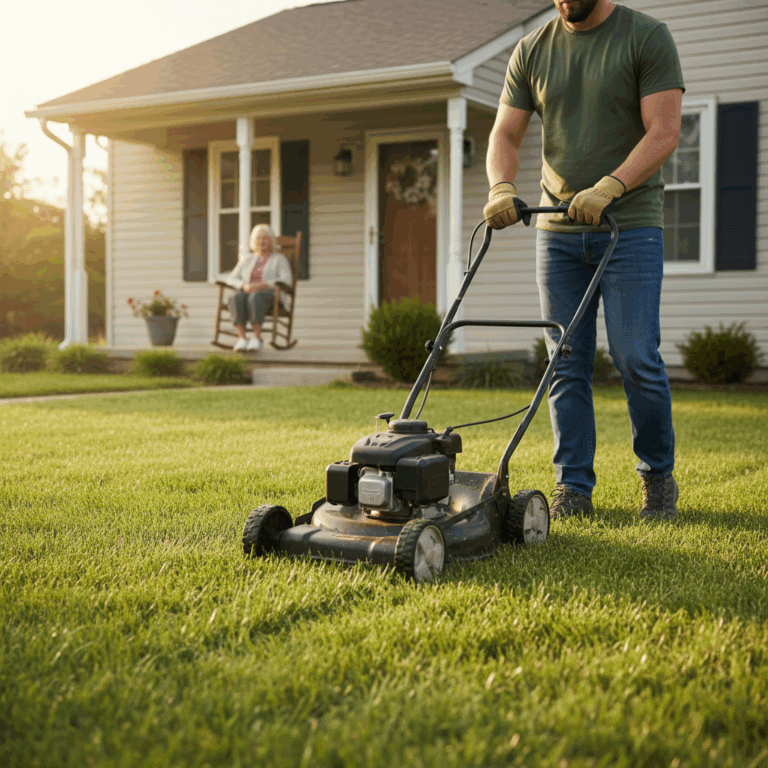
An older adult moves slowly through their yard on a spring morning, noticing the grass is getting tall. A few weeks pass. Work, health issues, a bad knee—reasons pile up. Then comes a notice on the door: code violation. Five days to comply or face fines.
What happens next surprises most people. The costs don’t arrive as a single charge. They stack.
Here’s what makes the situation worse: older adults and veterans are disproportionately at risk. Physical decline, limited mobility, chronic illness, and financial constraints make yard maintenance impossible. Yet these same populations are often least equipped to pay the resulting fines.
Homeowners in HOA communities face a compounded problem—fines from both the HOA and the city for the same overgrown lawn. Two separate enforcement tracks. Two separate bills.
The system punishes inability, not negligence.
What Prevention Actually Costs
A single volunteer yard visit takes 1–3 hours and costs the community member nothing. No fines. No liens. No legal battles. Just a mowed lawn and the peace of mind that comes with compliance.
The math is straightforward: A few hours of free volunteer help prevents thousands of dollars in fines, legal fees, and property encumbrances.
This is why I Want To Mow Your Lawn exists. The organization connects 1,800+ volunteers across all 50 states with older adults, veterans, and neighbors who need temporary lawn and exterior home care relief—before code violations become inevitable.
Volunteers aren’t contractors or long-term solutions. They’re neighbors showing up at the right moment, when someone’s life circumstances have made yard work impossible. The goal is simple: keep lawns compliant and keep people housed.
What Happens Next
If yard maintenance has become difficult—due to age, health, finances, or circumstance—reaching out for help isn’t failure. It’s prevention. Many municipalities, case managers, and community organizations now understand this and actively encourage neighbors to connect with services like IWTMYL rather than file complaints.
For those who want to help: volunteering is straightforward. Mowing takes a Saturday morning. The impact is measured in fines prevented, dignity preserved, and neighbors staying in their homes.
There’s also a free game—the MOW app—that teaches lawn care basics and spreading awareness of the mission.
The choice between prevention and crisis is real. The cost difference is stark. And the solution is already in the neighborhood.
Spotting the Signs: How to Know If a Neighbor Needs Yard Help (Before Code Enforcement Does)
Code violations don’t appear overnight. There are visible warning signs weeks in advance—and knowing what to look for means you can offer help before the fines start. This guide walks through the red flags, how to approach the conversation with dignity, and what kind of help actually moves the needle.
The Early Warning Signs
Lawn code violations rarely surprise the people living in the house. What surprises them is the fine. By the time a notice arrives, the grass has been unmowed for weeks or months—long enough that neighbors have already noticed.
Learning to spot these patterns early gives you a window to offer help before enforcement becomes involved.
What to Look For
Grass Height and Pattern: Grass that’s visibly taller than neighboring yards and hasn’t been mowed in 2–3 weeks is a sign of possible difficulty. Pay attention especially to older adult or disabled neighbors. Sudden, dramatic changes—going from well-maintained to overgrown in a short time—often point to health episodes, injury, or hospitalization.
Neglected Edges: Sidewalk edges, driveway borders, and fence lines reveal a lot. When these areas start collecting debris or grass overgrows into pavement, it usually means yard work has become impossible, not just undesirable.
Other Property Signs: Look at the whole picture: Are leaves piling up? Is landscaping dying? Is the gutters full? Yard neglect rarely happens in isolation. When multiple systems deteriorate at once, it often signals health challenges, mobility issues, or financial hardship.
Seasonal Timing: Spring and early summer are when violations spike. If you notice a neighbor’s yard suddenly isn’t being maintained after winter, that’s a critical moment—code enforcement is actively looking during these months.
Having the Conversation: Dignity First
Approaching a neighbor about yard work is delicate. The goal is to offer genuine help, not point out a problem.
Lead with kindness, not criticism: Don’t say, “Your grass is getting out of control.” Instead: “I’ve got some free time Saturday morning—can I come mow your lawn?” Or: “I noticed you might be dealing with something—I’d like to help with yard work if you need it.”
Normalize it: Framing help as something you do in your neighborhood, not something this specific person needs because something is wrong with them, removes shame. “A group of volunteers in the area helps neighbors with yard work sometimes—would that be useful?”
Listen for the real barrier: Sometimes the answer is no—and that’s okay. But often, older adults will express relief that someone asked. Listen for what the actual obstacle is: mobility, cost, health, time, or something else. The solution depends on understanding the real need.
What Kind of Help Actually Works
One-time yard visits are most valuable. A single Saturday morning mow that gets a yard back into compliance is often exactly what someone needs. It’s not a long-term solution, but it’s the difference between a fine and peace of mind.
Timing matters: If you know a neighbor is facing surgery or recovery, offering help in the weeks before and immediately after can prevent violations from happening in the first place.
Bundle small tasks: Beyond mowing, small tasks add huge value: edging, clearing debris, trimming around walkways, removing branches from gutters. These take an hour but signal to code enforcement that the property is being maintained.
Don’t promise recurring help. Be clear and honest: “I can help you this Saturday” is better than implying ongoing service. Recurring help is complex and creates expectations. One-time relief that gets someone back on solid ground is the strongest gift.
After the Help: Connecting Them Forward
Once you’ve helped, mention resources. If a neighbor is struggling with long-term yard maintenance due to age or disability, programs like I Want To Mow Your Lawn connect them with ongoing volunteer support. Older adults and veterans should know these options exist.
Neighborhood help + organized volunteer networks = prevention. Together, they stop violations before they start.
Support our foundation to unlock this resource
A donation of any amount unlocks all bonus guides, templates, and deep dives for 30 days.
100% goes toward connecting volunteers with neighbors in need.
Choose your donation amount
$
Choose how to donate:
I Want To Mow Your Lawn Inc. is a 501(c)(3) nonprofit and registered charity with PayPal Giving Fund. EIN: 85-3447661. Your donation is tax-deductible.
Have a group?Organize a Community Service Day — we'll match your team with neighbors who need help.
Want to help us reach more neighbors?Our Marketing Toolkit has copy-ready posts, press materials, and flyers you can share in five minutes.