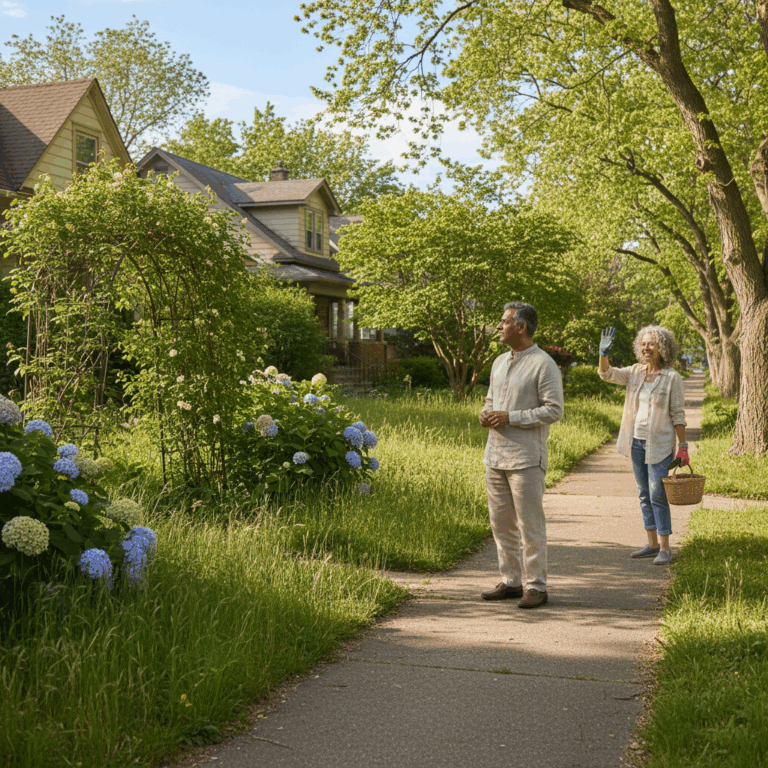
Five Signs a Neighbor Might Need Yard Help—And How to Offer
May 6, 2026 · I Want To Mow Your Lawn
Five Signs a Neighbor Might Need Yard Help—And How to Offer
A lawn doesn’t become overgrown overnight. Usually, it tells a story: a surgery that sidelined someone for months, a chronic condition that makes bending painful, a fixed income that doesn’t stretch far enough for hired help, or simply the physical reality of aging in a home that was easier to maintain twenty years ago.
Spotting these moments in neighbors’ yards isn’t about judgment. It’s about recognizing an opportunity to help—and understanding that yard care support exists through networks like I Want To Mow Your Lawn (IWTMYL), which connects 1,800+ volunteers across all 50 states with older adults, veterans, and neighbors who need free lawn and exterior home care relief.
1. Grass Has Noticeably Grown Taller Than Usual
A week or two of growth is normal during spring. But when grass reaches knee height, or when it’s clearly been weeks since the last mow, it often signals something changed. An older adult recovering from a fall, a veteran managing chronic pain, or someone navigating a sudden life change may have lost the ability to push a mower—even though they want their yard maintained.
2. Weeds or Debris Are Piling Up in Landscaped Areas
4. There’s a Vehicle in the Driveway but No Visible Yard Activity Over Weeks
Someone home but not maintaining their yard might indicate mobility issues, recovery from illness, or caregiver strain. This pattern often appears after hospitalization or major life transitions.
5. The Neighbor Is Older, Lives Alone, or You Know They’re Dealing with a Health Challenge
Context matters. Among women ages 85 and older, 50% live alone. Many don’t have family nearby to help. Veterans face similar isolation. An older adult or veteran managing disability, recent surgery, or limited income may deeply want to maintain their home but lack the resources or physical ability.
How to Approach a Neighbor Who Might Need Help
Start with respect and curiosity, not assumption. A simple conversation beats assumptions every time:
Lead with care, not pity: “I’ve noticed your yard has gotten overgrown. Is everything okay? Can I help?”
Normalize the ask: Yard care gets harder for lots of reasons—injury, age, illness, or just being stretched thin. There’s no shame in needing a hand.
Offer concrete help: Instead of vague offers, say: “I could mow your lawn next Saturday” or “Would a friend and I trimming those branches help?”
Share the no-cost option: Explain that IWTMYL can connect them with trained volunteers at no charge. Neighbors can submit requests through the organization’s website or use the MOW app to find help nearby.
Recognizing when a neighbor needs help, and knowing how to offer it, is how communities stay connected and strong.
Ready to Help?
Volunteers are the backbone of yard care relief. Joining IWTMYL takes minutes, and volunteers can offer as much or as little time as their schedule allows. The MOW app makes finding nearby neighbors in need simple—download it or play online to see how yard care support works in real communities.
The Yard Assessment Checklist: How to Evaluate What a Neighbor Actually Needs
Not all overgrown yards need the same solution. This deep-dive checklist helps volunteers and neighbors assess priorities, safety hazards, and the best way to help—so you’re offering exactly what’s needed, not what you assume.
The Yard Assessment Checklist: A Practical Guide for Volunteers and Neighbors
Before offering yard care help, a quick assessment ensures you’re addressing real needs and tackling the most important work first. This isn’t about judging the yard—it’s about being strategic with time and effort.
Safety Assessment (Complete First)
Fall hazards: Look for uneven ground, exposed roots, cracked pavement, or areas where a fall could happen. Note the steepness of any slopes. These take priority because injury prevention matters more than aesthetics.
Equipment hazards: Check for rocks, debris, or hidden obstacles in the mowing area. A neighbor might not have noticed them; you’re looking out for what could damage a mower or cause a volunteer to trip.
Climbing access: If gutters, branches, or roof edges are visible and concerning, assess whether a ladder is needed and how stable the ground is. Never assume this is part of yard care—discuss it separately and only if the neighbor requests it and it’s safe to do so.
Mowing Priority Assessment
Grass height: Measure it mentally. Anything under 3 inches is routine maintenance. 3–6 inches is manageable in one session. Above 6 inches may require two mowings (let it settle a week between cuts to avoid shocking the grass). Document the height you observe.
Mower type needed: Is this a small residential yard, a steep slope, or a large property? Does thick, tall growth suggest a push mower or a riding mower? Can one volunteer handle it, or does it need two people?
Edge and trim work: Note areas where a string trimmer is needed—along fences, sidewalks, driveways, or around gardens. This work takes time and can be physically demanding.
Debris and Landscape Assessment
Branches and fallen wood: Small twigs scattered are minor. Large branches or full limbs suggest storm damage or overgrown trees. Document what you see so volunteers know what to expect.
Weeds and overgrowth in beds: Are flower beds and landscaped areas weedy and unkempt? This is often lower priority than mowing but matters for curb appeal and preventing weed spread.
Gutter and downspout condition: Visible debris is a note-it-but-don’t-assume item. Only include this if the neighbor specifically requests help and a volunteer is comfortable on a ladder.
Frequency and Ongoing Need Assessment
Growth rate: Spring and early summer grow faster than late summer or fall. A yard needing help in May may need help every 2–3 weeks through July, then every 3–4 weeks after that. Understanding the neighbor’s situation helps predict whether this is one-time relief or recurring support.
Neighbor capacity: Ask directly: Is this temporary (recovery from surgery, winter neglect) or ongoing (mobility limits, chronic pain, fixed income)? The answer shapes expectations and volunteer coordination.
Documentation and Communication
A simple written or photo note helps the next volunteer understand the work already completed. Describe: grass height when you arrived, what was mowed and trimmed, any hazards you noticed, and what the neighbor said about their timeline and needs.
Share observations with the neighbor in positive, non-judgmental language: “Your yard’s been growing quickly—typical for this season. We can get it to good shape, and I’d suggest checking in every three weeks if you’d like regular help.”
Connecting Assessment to Impact
A thoughtful yard assessment isn’t just about completing a task—it’s about understanding the whole picture. A neighbor struggling with chronic pain needs different support than someone recovering from surgery. Recognizing those differences means volunteers show up with the right attitude and the right expectations, and neighbors feel truly seen. That’s community.
Support our foundation to unlock this resource
A donation of any amount unlocks all bonus guides, templates, and deep dives for 30 days.
100% goes toward connecting volunteers with neighbors in need.
Choose your donation amount
$
Choose how to donate:
I Want To Mow Your Lawn Inc. is a 501(c)(3) nonprofit and registered charity with PayPal Giving Fund. EIN: 85-3447661. Your donation is tax-deductible.
Have a group?Organize a Community Service Day — we'll match your team with neighbors who need help.
Want to help us reach more neighbors?Our Marketing Toolkit has copy-ready posts, press materials, and flyers you can share in five minutes.