The Hidden Danger in Spring Yards
Spring cleaning often means raking winter debris, clearing gutters, and sweeping patios. It’s easy to overlook the small things: a clogged downspout pooling water, a bird bath that hasn’t been refreshed, a low spot in the yard where rain collects. These quiet spots matter far more than they seem.
Standing water is where mosquitoes breed. And mosquitoes carry diseases that older adults are far less equipped to fight off.
West Nile Virus: The Mosquito-Borne Threat Affecting Older Adults Most
West Nile virus is the leading cause of disease spread by mosquitoes in the contiguous U.S., and the numbers are rising. In 2025, the country saw 41% more severe-disease cases and 32% more deaths than typical. Troubling as that sounds for the general population, the risk for older adults is substantially steeper.
Age is the most consistently documented risk factor for severe West Nile infection. Adults aged 60 and older face a dramatically elevated risk of developing neuroinvasive disease, where the virus reaches the brain and spinal cord. For those over 75, the danger intensifies: serious disease manifestations occur in roughly 1% of all infected people, but morbidity and mortality spike sharply in individuals older than 50.
Why? As the immune system ages, it undergoes changes called immunosenescence—a gradual decline in the body’s ability to mount a defense against infection. An aging immune system struggles to contain West Nile before it infiltrates the nervous system, where it can cause lasting harm or death.
It’s also worth noting that chronic kidney disease and cerebrovascular disease significantly increase the risk of severe illness and death from West Nile—conditions that become more common with age.
Beyond West Nile: Other Mosquito-Borne Threats
West Nile isn’t the only concern. St. Louis Encephalitis cases surged approximately 200% in 2025, with adults over 50 facing mortality rates between 7–24%. Eastern Equine Encephalitis, though less common, carries a mortality rate near 33% in severe cases.
These aren’t theoretical risks. They’re preventable through simple yard maintenance.
Simple Yard Checks That Stop Mosquitoes Before They Start
Mosquitoes need standing water to breed—even a bottle cap’s worth. A spring yard walk-through doesn’t take long, but it can make a real difference:
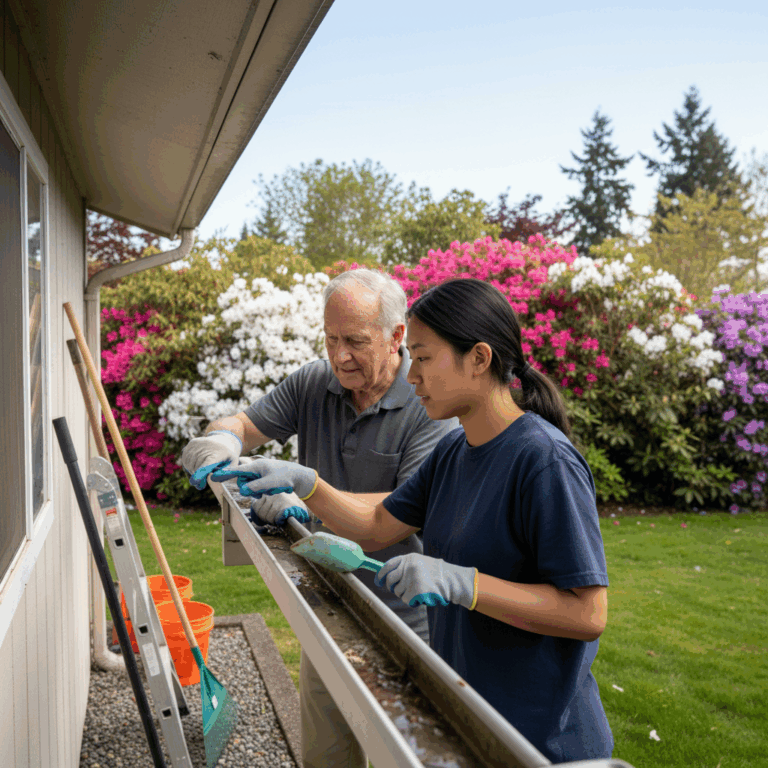
- Check gutters and downspouts. Clogged gutters hold water. Clear them, and make sure downspouts drain away from the house.
- Empty bird baths and plant saucers regularly. Refresh these every 2–3 days, or drill a small drainage hole in plant saucers.
- Look for low spots in the yard. If water pools after rain, consider filling the area with soil or creating a simple rain garden.
- Check under decks and porches. Tarps, old containers, or debris can trap water where it’s out of sight.
- Fix leaky outdoor faucets. A slow drip creates a breeding ground over time.
- Store empty pots and planters upside down. Or drill drainage holes to prevent water collection.
- Keep pools and hot tubs maintained. Even unused pools need weekly skimming or chlorine treatment.
- Remove old tires and similar items. These are classic mosquito nurseries.
When an Older Adult Can’t Do This Work
For an older adult living alone, managing yard work during spring—especially bending, climbing, or hauling—isn’t always safe or possible. A surgery, health flare-up, or simple physical decline can make even light outdoor tasks out of reach. That’s where a neighbor’s help, even once, can matter tremendously.
A single visit to clear gutters, empty standing water, and identify problem spots is temporary relief, not a long-term commitment. It’s the kind of task a volunteer can complete in an hour or two, and it directly reduces the risk of a serious mosquito-borne illness for someone vulnerable.
I Want To Mow Your Lawn connects 1,800+ volunteers across all 50 states with older adults, veterans, and neighbors who need help with exactly this kind of exterior work. The organization’s mission is straightforward: remove barriers to yard safety and health care—free, no strings attached.
What Neighbors and Volunteers Can Do Right Now
If an older adult in the neighborhood seems to be struggling with yard maintenance, offering help with spring cleanup is both practical and kind. It doesn’t require expertise—just a willingness to clear gutters, sweep debris, or fill a bucket of stagnant water.
For those who want to help more people on a larger scale, volunteering with organized groups makes it easy. Volunteers don’t need to own a mower, live in a specific area, or commit to ongoing service. Many help through their phone, matching their availability with neighbors in need and supporting the work whenever they can.
The Simple Truth
Mosquitoes are more than a summer annoyance. For older adults, they’re a genuine health threat. Standing water in a yard—forgotten and easy to overlook—is where that threat begins. Spring is the ideal time to eliminate these breeding sites, and a helping hand can make all the difference.
Whether it’s a neighbor, a family member, or a volunteer, the people who keep older adults safe this spring are the ones who show up with a clear eye, a willingness to work, and the understanding that a little outdoor maintenance can protect someone’s health in ways that might not become obvious until it’s too late.
Get Involved
Want to help an older adult in your community stay safe and healthy? Becoming a volunteer with I Want To Mow Your Lawn takes just a few minutes. Available volunteers can also play the MOW app (available on the App Store and Google Play) to match with neighbors in their area who need seasonal yard help. It’s free, flexible, and directly supports people in your community who need it most.
Printable Guide